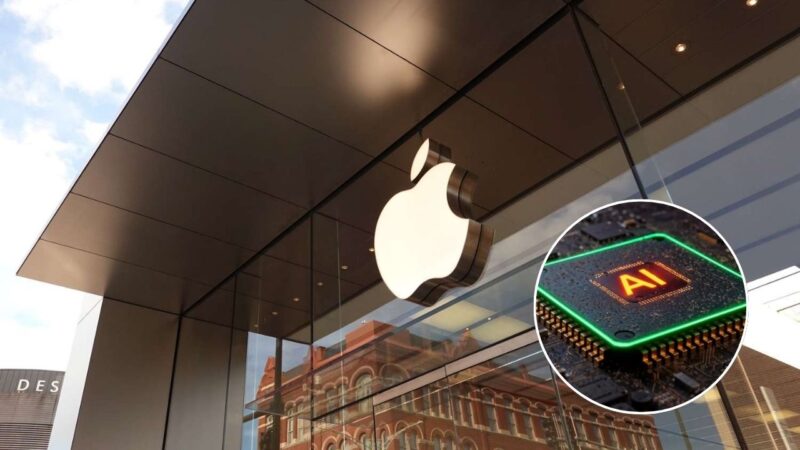
Apple is preparing to increase the retail prices of its devices following a sharp surge in the cost of essential memory components, according to the tech giant’s outgoing chief executive Tim Cook.
Speaking to The Wall Street Journal, Cook stated that retail adjustments have become unavoidable because the financial pressure imposed by component suppliers has reached an unsustainable level.
While the company has not specified a timeline for the hikes or confirmed which hardware lineups will be affected, uncertainty remains over whether the adjustments will impact the upcoming iPhone 18 launch this September.
The pricing crisis is largely driven by the global Artificial Intelligence boom, which has exponentially increased demand for advanced semiconductors. Compounding the issue, geopolitical tensions in the Middle East have severely disrupted the supply of helium, a gas critical to the semiconductor manufacturing process. Consequently, the market price of RAMs has more than doubled since October 2025.
Cook, who is scheduled to step down in September to make way for John Ternus after a 15-year tenure, noted that Apple has attempted to shield consumers from the overheads for as long as possible. However, restricted component supply coupled with high consumer demand has left the company with little choice but to reconsider its pricing structure.
The warnings mirror broader distress signals across the global tech sector. Earlier this year, Samsung projected that memory shortages would inevitably push up consumer electronic prices, while advanced chipmaker Taiwan Semiconductor Manufacturing Company (TSMC) recently refused to rule out its own price increases due to inflationary pressures.
Apple has already begun adjusting parts of its portfolio, having raised the price of its Mac Mini compact computers by approximately $200 earlier this year. Despite looming challenges, the company continues to enjoy strong commercial momentum, with global hardware sales growing by 17 percent in the first quarter of 2026.