
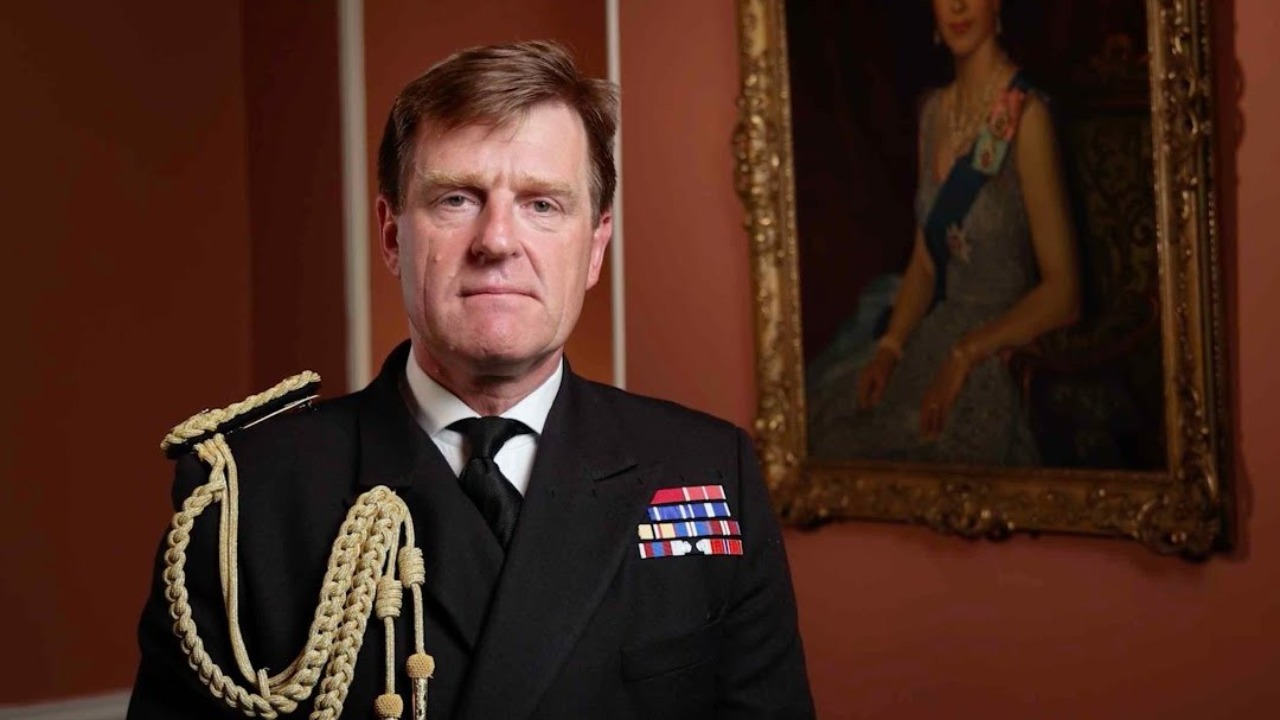


Admiral Sir Ben Key: A Legacy of Leadership and Challenges in the Royal Navy
Admiral Sir Ben Key is one of the most respected figures in the modern Royal Navy. Known for his long-standing service and commitment to the United Kingdom's naval strength, he served as the First Sea Lord, the highest-ranking officer in the Royal Navy. His name, "admiral sir ben key," is trending globally, especially in the UK and U.S., following his recent resignation. This moment marks not only the end of an era but also invites reflection on the impact and future of naval leadership.
Early Life and Naval Career
Admiral Sir Ben Key joined the Royal Navy in the early 1980s. Over a career that spanned more than four decades, he rose steadily through the ranks. His leadership was marked by calm decision-making during high-pressure moments, especially in global operations involving British naval forces.
From early roles aboard destroyers and frigates to commanding operations during crises like the evacuation of British nationals, he consistently demonstrated strategic skill and personal courage. His dedication and professionalism earned him several honors, including being knighted by the Crown.
Rising to the Top: First Sea Lord Appointment
In November 2021, Admiral Sir Ben Key was appointed First Sea Lord, becoming the professional head of the Royal Navy. As First Sea Lord, he had the immense responsibility of leading the Navy during one of its most critical transitions. Britain’s naval power faced both global challenges and internal struggles, including budget cuts, outdated fleets, and retention issues.
His leadership during this turbulent time was steady, even as the Royal Navy saw a decline in strength by many measures. This wasn't due to his failures but rather the culmination of issues that dated back more than a decade. Still, Admiral Key carried the weight of responsibility and sought to steer the Royal Navy through uncertain waters.
The Challenges During His Tenure
Admiral Sir Ben Key took office at a time when defense spending was a hot topic in British politics. While he supported modernizing the fleet, he also had to deal with the limitations imposed by tight budgets and delays in shipbuilding projects.
One of the most notable challenges was the criticism of how the Navy treated its personnel, especially women. In October 2024, Admiral Key publicly apologized for what he called the "unacceptable" treatment of women, acknowledging that bullying and harassment had been normalized in some areas. His honesty and willingness to confront such difficult issues were praised by many as a sign of true leadership.
Admiral Sir Ben Key's Resignation: Why It Matters Now
In May 2025, Admiral Sir Ben Key officially stepped down from his role as First Sea Lord. His resignation, while stated as for "personal reasons," comes after a series of complex events. While some speculated that he chose not to pursue the position of Chief of Defence Staff because of frustrations with political support, his decision appears to be more about timing and personal reflection.
According to the Ministry of Defence, his departure is not related to the delayed Strategic Defence Review or any dissatisfaction with current policy. Instead, it marks the end of an honorable 41-year career. During this time, he shaped naval policies and mentored future leaders. Vice Admiral Martin Connell is now the acting head until a permanent replacement is announced.
Admiral Sir Ben Key Salary and Public Interest
There has also been public interest in Admiral Sir Ben Key's salary. As First Sea Lord, his annual pay was estimated to be around £190,000 to £200,000. This is in line with the salaries of other top-level British military officials. The figure includes base pay, allowances, and other benefits. Discussions about "admiral sir ben key salary" have spiked online, reflecting public curiosity about how military leadership is compensated.
Legacy and Lessons for the Future
Admiral Sir Ben Key leaves behind a complex but powerful legacy. He served with dignity, faced challenges with honesty, and never wavered in his commitment to the Royal Navy. His apology in 2024 for the internal culture was a defining moment of accountability. It set a new standard for how military leaders should address institutional issues.
He also emphasized the importance of readiness and modernization. Even with limited resources, he focused on improving training, technology, and inter-navy cooperation. His long-term vision for the Navy continues to influence ongoing reforms.
Why Americans Should Care About Admiral Sir Ben Key
While Admiral Sir Ben Key served the UK, his work had international effects. The Royal Navy often partners with the United States Navy in joint missions, NATO exercises, and crisis responses. His leadership strengthened this alliance, promoting global maritime security.
His focus on transparency, discipline, and modernization is also a model for military institutions worldwide. For American readers, understanding his legacy provides insight into how allied nations maintain and adapt their defense systems.
Final Thoughts: A Salute to Service
The story of Admiral Sir Ben Key is not just about military rank. It's about duty, courage, and integrity. His career offers lessons for leaders in all fields—especially in staying true to values while navigating real-world limitations.
As the Royal Navy looks ahead, Admiral Key’s contributions will continue to resonate. His name, "admiral sir ben key," will remain a lasting symbol of service and responsibility in a world that increasingly values both tradition and change.
As the Royal Navy reflects on leadership changes, tragedy has also struck at sea elsewhere. Navy personnel were recently martyred in a helicopter crash in Gwadar, a sobering reminder of the risks faced daily by those in uniform around the world.
'%3e%3crect%20y='0.445312'%20width='48'%20height='48'%20rx='24'%20fill='white'%20fill-opacity='0.5'/%3e%3crect%20x='0.5'%20y='0.945312'%20width='47'%20height='47'%20rx='23.5'%20stroke='%23808080'/%3e%3cpath%20d='M34.625%2024.4453L14%2024.4453'%20stroke='%23808080'%20stroke-width='0.920053'/%3e%3cpath%20d='M23.375%2034.4453L13.375%2024.4453L23.375%2014.4453'%20stroke='%23808080'%20stroke-width='0.920053'/%3e%3c/g%3e%3cdefs%3e%3cfilter%20id='filter0_b_489_44344'%20x='-12'%20y='-11.5547'%20width='72'%20height='72'%20filterUnits='userSpaceOnUse'%20color-interpolation-filters='sRGB'%3e%3cfeFlood%20flood-opacity='0'%20result='BackgroundImageFix'/%3e%3cfeGaussianBlur%20in='BackgroundImageFix'%20stdDeviation='6'/%3e%3cfeComposite%20in2='SourceAlpha'%20operator='in'%20result='effect1_backgroundBlur_489_44344'/%3e%3cfeBlend%20mode='normal'%20in='SourceGraphic'%20in2='effect1_backgroundBlur_489_44344'%20result='shape'/%3e%3c/filter%3e%3c/defs%3e%3c/svg%3e)
'%3e%3crect%20y='0.445312'%20width='48'%20height='48'%20rx='24'%20fill='white'%20fill-opacity='0.5'/%3e%3crect%20x='0.5'%20y='0.945312'%20width='47'%20height='47'%20rx='23.5'%20stroke='%23808080'/%3e%3cpath%20d='M13.375%2024.4453L34%2024.4453'%20stroke='%23808080'%20stroke-width='0.920053'/%3e%3cpath%20d='M24.625%2014.4453L34.625%2024.4453L24.625%2034.4453'%20stroke='%23808080'%20stroke-width='0.920053'/%3e%3c/g%3e%3cdefs%3e%3cfilter%20id='filter0_b_489_44344'%20x='-12'%20y='-11.5547'%20width='72'%20height='72'%20filterUnits='userSpaceOnUse'%20color-interpolation-filters='sRGB'%3e%3cfeFlood%20flood-opacity='0'%20result='BackgroundImageFix'/%3e%3cfeGaussianBlur%20in='BackgroundImageFix'%20stdDeviation='6'/%3e%3cfeComposite%20in2='SourceAlpha'%20operator='in'%20result='effect1_backgroundBlur_489_44344'/%3e%3cfeBlend%20mode='normal'%20in='SourceGraphic'%20in2='effect1_backgroundBlur_489_44344'%20result='shape'/%3e%3c/filter%3e%3c/defs%3e%3c/svg%3e)