


Air India Pilot Oversight: Why It’s Making Global Headlines
Air safety is no longer just a regional concern, it’s a global one. The recent crisis surrounding Air India pilot oversight has sparked intense debate, particularly after a tragic crash and major regulatory action by India's aviation authority. For people in the U.S. and worldwide who care about aviation safety, this incident serves as a warning of how crucial pilot management really is.
What Sparked the Air India Pilot Oversight Crisis?
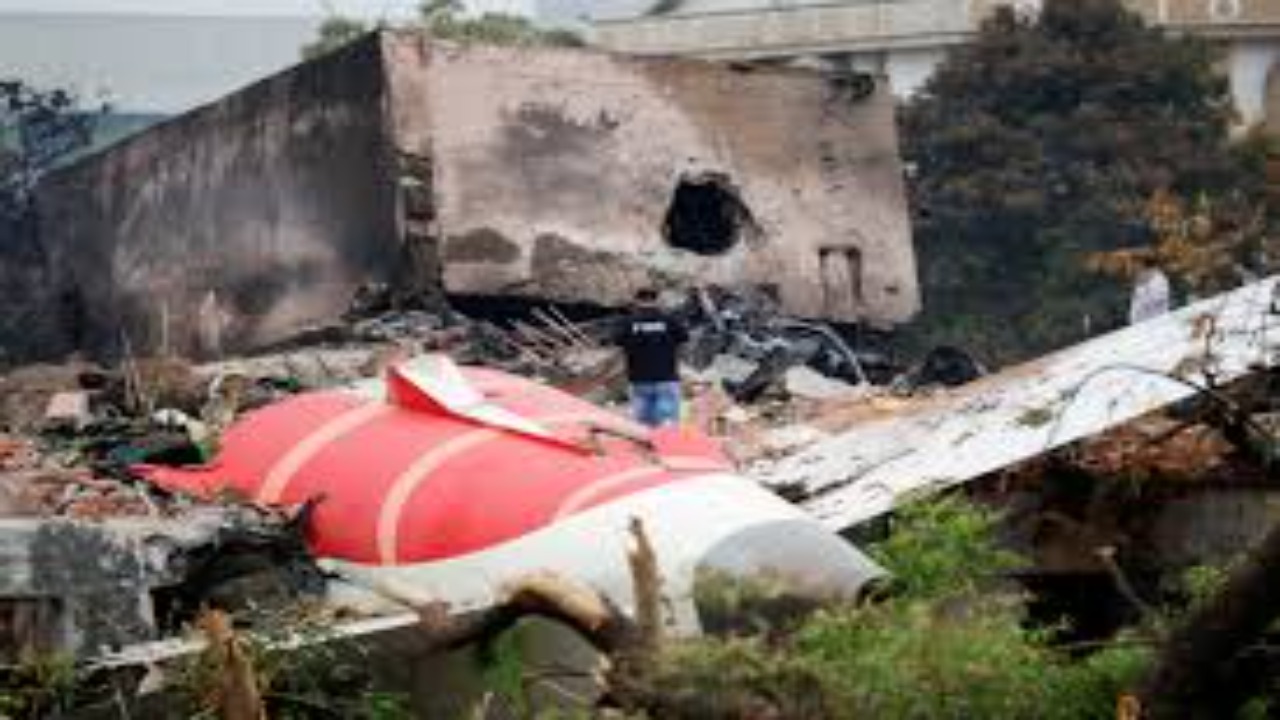
It all began with a horrifying event. On June 12, 2025, a London-bound Air India flight from Ahmedabad crashed just minutes after takeoff. The tragedy killed 241 passengers and crew, along with 29 people on the ground. As global news outlets reported the Air India crash update, the world watched in shock.
While mechanical failure was initially suspected, the investigation quickly uncovered deeper concerns, particularly how pilots were being managed and scheduled.
DGCA Steps In: Strict Action Against Air India
India’s aviation watchdog, the Directorate General of Civil Aviation (DGCA), launched a sweeping investigation. The result? A wave of disciplinary action that has pushed Air India pilot oversight into the global spotlight.
The DGCA found that Air India faces strict action from DGCA for repeated pilot violations involving rest time, license renewal, and recency requirements. These aren't just paperwork errors, they're life-and-death issues in aviation.
Three top officials were removed from their positions:
-
A Divisional Vice President
-
A Chief Manager of Crew Scheduling
-
A Planning Executive
These individuals were directly responsible for assigning pilots to flights, managing schedules, and ensuring compliance with safety laws. The DGCA ordered them to be reassigned to non-operational roles until corrective reforms are fully in place.
Understanding Pilot Duty Rules: Why They Matter
In the aviation world, even one hour of missed rest or improper scheduling can lead to serious consequences. Pilots must meet mandatory rest periods, pass regular simulator tests, and log minimum flight hours to stay qualified.
The audit revealed Air India pilot scheduling breaches across several flights:
-
Pilots were working beyond safe flying hours.
-
Rest periods were not correctly logged.
-
Flights were being assigned to underqualified or outdated pilots.
These are major red flags, ones that no responsible airline should ever ignore.
The Tata Group’s Challenge: Modernizing an Ailing System
Since acquiring Air India in 2022, the Tata Group has tried to transform the airline’s global image. While some progress has been made, the recent events reveal how deep-rooted problems still exist, especially when it comes to crew management.
Air India pilot oversight isn't just about one accident or a few scheduling errors. It reflects a system still adjusting to private ownership, international standards, and rising expectations from passengers and regulators alike.
Air India Crash Update: What’s the Latest?
The Air India crash update shows that investigations are ongoing. Black box analysis suggests no immediate technical failure, increasing suspicion that pilot fatigue or oversight may have played a role.
This crash has led to:
-
International flight audits by DGCA.
-
A temporary reduction in Air India’s domestic and international schedule.
-
Industry-wide calls for a digital scheduling overhaul.
There is growing concern among the aviation community that other airlines in the region may also have overlooked pilot duty rules in the rush to recover post-pandemic air traffic.
What This Means for U.S. Travelers and Airlines
So why should people in the United States care about Air India pilot oversight?
Here’s why:
-
Global interconnectedness: Many U.S.-based travelers fly Air India when visiting Asia. Trust in foreign carriers is critical.
-
Aviation regulation trends: Incidents like these often push international aviation groups to rethink pilot standards worldwide.
-
Competitive benchmarking: U.S. airlines may revisit their own crew management and oversight systems to ensure they’re above reproach.
In short, safety lapses abroad can create a domino effect that influences regulations and practices in the U.S. aviation industry too.
Could This Have Been Prevented?
In a word, yes. Strong internal checks, transparent crew scheduling systems, and real-time compliance monitoring tools could have prevented such massive oversight. Aviation experts argue that Air India, under new ownership, should have prioritized these reforms much earlier.
Many point to AI-powered scheduling tools and automated alerts that U.S. airlines already use. Had similar tech been in place at Air India, fatigue-related risks could’ve been flagged well in advance.
Looking Ahead: Can Air India Restore Trust?
The road to recovery for Air India won’t be easy. The spotlight on Air India pilot oversight isn’t fading anytime soon. The airline must take decisive steps to regain global trust:
-
Implement real-time compliance software
-
Conduct independent pilot audits
-
Invest in pilot wellness and mental health programs
-
Publicly share reform timelines and safety metrics
Industry analysts believe that if done right, these steps could make Air India a case study in transformation, turning a tragedy into a trigger for meaningful reform.
Final Thoughts:
The tragedy that unfolded on June 12 has shaken public faith and regulatory confidence. Yet, it also opens the door for urgent and overdue reform. Pilot oversight is not just a matter of protocol, it’s the last line of defense between the sky and disaster.
For U.S. travelers, regulators, and airlines, this is a powerful reminder. Even the most recognized carriers are only as strong as their pilot oversight systems.
As the Air India crash update continues to reveal more, one message rings clear: no airline can afford to overlook the people in the cockpit. For a detailed report on the nationalities of those on board, including 169 Indians and 53 British nationals, read the full update here.
'%3e%3crect%20y='0.445312'%20width='48'%20height='48'%20rx='24'%20fill='white'%20fill-opacity='0.5'/%3e%3crect%20x='0.5'%20y='0.945312'%20width='47'%20height='47'%20rx='23.5'%20stroke='%23808080'/%3e%3cpath%20d='M34.625%2024.4453L14%2024.4453'%20stroke='%23808080'%20stroke-width='0.920053'/%3e%3cpath%20d='M23.375%2034.4453L13.375%2024.4453L23.375%2014.4453'%20stroke='%23808080'%20stroke-width='0.920053'/%3e%3c/g%3e%3cdefs%3e%3cfilter%20id='filter0_b_489_44344'%20x='-12'%20y='-11.5547'%20width='72'%20height='72'%20filterUnits='userSpaceOnUse'%20color-interpolation-filters='sRGB'%3e%3cfeFlood%20flood-opacity='0'%20result='BackgroundImageFix'/%3e%3cfeGaussianBlur%20in='BackgroundImageFix'%20stdDeviation='6'/%3e%3cfeComposite%20in2='SourceAlpha'%20operator='in'%20result='effect1_backgroundBlur_489_44344'/%3e%3cfeBlend%20mode='normal'%20in='SourceGraphic'%20in2='effect1_backgroundBlur_489_44344'%20result='shape'/%3e%3c/filter%3e%3c/defs%3e%3c/svg%3e)
'%3e%3crect%20y='0.445312'%20width='48'%20height='48'%20rx='24'%20fill='white'%20fill-opacity='0.5'/%3e%3crect%20x='0.5'%20y='0.945312'%20width='47'%20height='47'%20rx='23.5'%20stroke='%23808080'/%3e%3cpath%20d='M13.375%2024.4453L34%2024.4453'%20stroke='%23808080'%20stroke-width='0.920053'/%3e%3cpath%20d='M24.625%2014.4453L34.625%2024.4453L24.625%2034.4453'%20stroke='%23808080'%20stroke-width='0.920053'/%3e%3c/g%3e%3cdefs%3e%3cfilter%20id='filter0_b_489_44344'%20x='-12'%20y='-11.5547'%20width='72'%20height='72'%20filterUnits='userSpaceOnUse'%20color-interpolation-filters='sRGB'%3e%3cfeFlood%20flood-opacity='0'%20result='BackgroundImageFix'/%3e%3cfeGaussianBlur%20in='BackgroundImageFix'%20stdDeviation='6'/%3e%3cfeComposite%20in2='SourceAlpha'%20operator='in'%20result='effect1_backgroundBlur_489_44344'/%3e%3cfeBlend%20mode='normal'%20in='SourceGraphic'%20in2='effect1_backgroundBlur_489_44344'%20result='shape'/%3e%3c/filter%3e%3c/defs%3e%3c/svg%3e)