
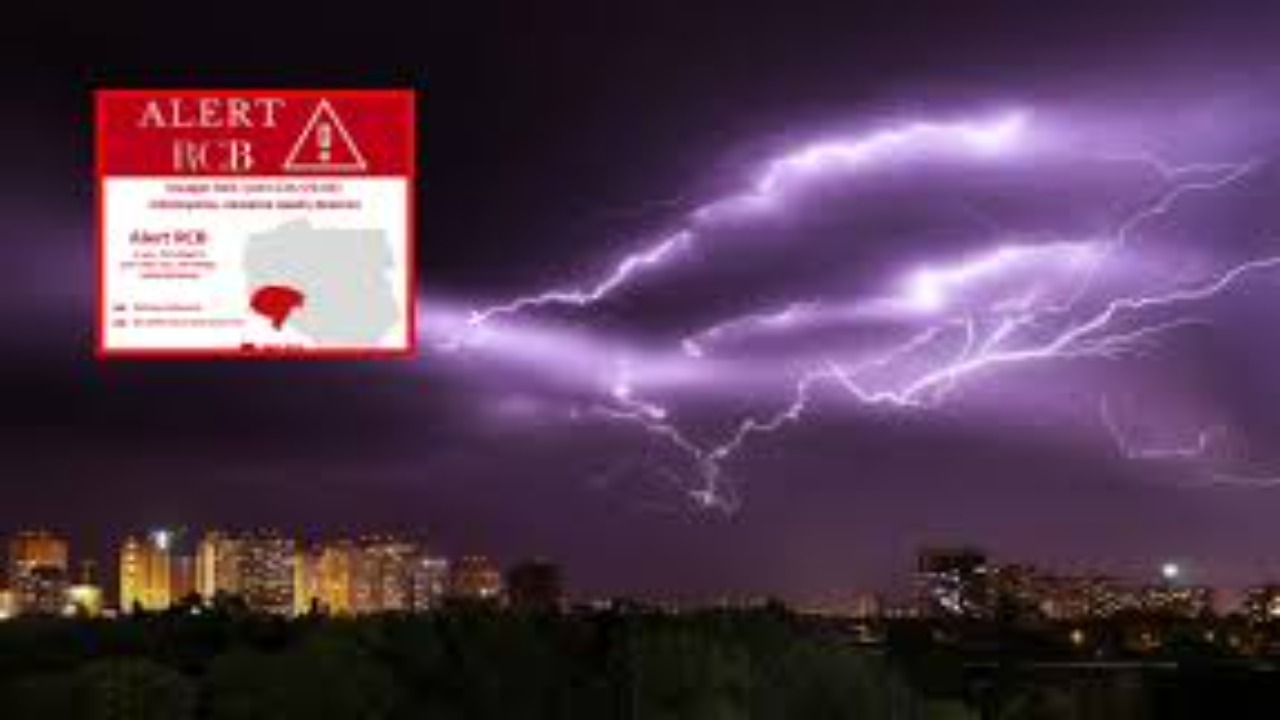


Alert RCB Burze: Severe Storms Threaten Poland – Stay Informed
Poland is on high alert as the Alert RCB Burze has been issued by the Government Security Centre (RCB) in response to severe storm forecasts. Thunderstorms, heavy rainfall, and strong winds are expected to disrupt several regions, particularly in the central and northern parts of the country. The storm is predicted to bring hail and gusty winds, potentially causing property damage and affecting daily life.
Social media is buzzing with updates from residents in affected areas, sharing photos and videos of the changing weather. The term Alert RCB Burze is trending on platforms like Twitter and Facebook, as people discuss the storm’s impact and share safety tips.
Real-Time Impact from Various Regions
The storm is already impacting various voivodeships (provinces) across Poland. Reports indicate that the alert spans both rural and urban areas, with significant disruptions in major cities like Warsaw, Gdańsk, and Kraków. Localized flooding, power outages, and downed trees have been reported in multiple towns.
Social media has become a focal point for real-time updates, with residents posting photos of flooding streets, overturned vehicles, and damaged rooftops. The Alert RCB Burze notification has prompted authorities to take action quickly, sending out SMS alerts to residents with guidance on how to prepare for the worst. In some areas, schools and businesses have been advised to close early, while authorities are on high alert to respond to emergencies as they unfold.
Storm Intensity and Affected Locations
Poland's meteorological services have warned of intense thunderstorms across the country. These storms bring not only heavy rainfall but also strong winds reaching up to 100 km/h, posing a significant safety threat. The risk is further heightened by the possibility of hail, which could damage homes, crops, and vehicles.
The Alert RCB Burze issued by the Polish government targets several key regions, including Pomerania, Mazovia, and Silesia, where heavy rain and potential flooding are expected. Authorities are advising people to stay indoors and avoid non-essential travel, particularly in rural areas, where emergency response teams are ready to assist with evacuation and recovery efforts.
A glance at the weather map shows the storm system intensifying, with winds and rain picking up speed. Meteorologists are closely monitoring its unpredictable movement.
RCB Statement and Emergency Instructions
The RCB has issued an official statement outlining the necessary precautions to minimize damage and ensure public safety. The alert emphasizes the importance of securing outdoor objects that could become airborne during high winds and advises residents to check windows, doors, and roofs for vulnerabilities. Those living in flood-prone areas have been told to stay alert for possible evacuations.
According to the RCB, the following actions are recommended:
-
Stay indoors: Avoid unnecessary travel, especially on flooded or hazardous roads.
-
Prepare emergency kits: Ensure you have flashlights, batteries, and enough food and water to last through potential power outages.
-
Secure belongings: Move or secure any loose items outside that may be blown away by strong winds.
-
Stay informed: Keep track of updates from official sources like the RCB and local news outlets.
The RCB also mentioned that emergency response teams are in place, ready to deploy to areas most affected by flooding and storm damage. The Alert RCB Burze system has been praised for its efficiency in keeping citizens informed, but officials stress that public cooperation is key to minimizing the impact of the storm.
Local Voices: On the Ground Experiences
As the storm impacts Poland, local residents are sharing their experiences, offering real-time insights into the effects of the Alert RCB Burze. In Gdańsk, streets are flooded, and many have sought shelter in community centers. Social media posts show citizens using sandbags and moving valuables to higher ground to protect their homes from rising waters.
In Warsaw, the situation remains tense but manageable, with city officials clearing debris and monitoring traffic. While some areas face localized flooding, most of the city’s infrastructure has held up. Authorities are continuing to monitor the storm, with potential evacuations depending on how it progresses.
The Alert RCB Burze notification has become a call to action for the community. Residents have come together, especially to help the elderly, showing resilience and solidarity in the face of the storm’s challenges.
Next Steps: What to Watch For
As the storm system continues its path across Poland, the question remains: How long will the Alert RCB Burze remain in effect? Meteorologists predict that the worst of the storm will pass within the next 24-48 hours, but scattered thunderstorms and occasional hail may persist in some regions.
In the coming days, storm tracking will continue to be critical as authorities assess the damage and recovery efforts begin. Residents are advised to stay updated through official channels, including the RCB website, weather apps, and local news stations. The storm’s aftermath could bring additional challenges, including power outages and transportation disruptions, so it’s important to remain vigilant and follow the guidance of authorities.
For ongoing updates, individuals should refer to the official RCB website, where real-time alerts are posted.
Final Thoughts
In conclusion, Alert RCB Burze serves as a reminder of the unpredictable power of nature. It also highlights the importance of staying informed and prepared in the face of severe weather. Poland’s quick response, bolstered by the RCB’s timely alerts, ensures that citizens are well-equipped to handle the storm. By following safety measures and staying connected, the impact of these severe storms can be mitigated.
For more updates on how storms affect different parts of the world, check out our related articles on storm preparedness and weather advisories.
'%3e%3crect%20y='0.445312'%20width='48'%20height='48'%20rx='24'%20fill='white'%20fill-opacity='0.5'/%3e%3crect%20x='0.5'%20y='0.945312'%20width='47'%20height='47'%20rx='23.5'%20stroke='%23808080'/%3e%3cpath%20d='M34.625%2024.4453L14%2024.4453'%20stroke='%23808080'%20stroke-width='0.920053'/%3e%3cpath%20d='M23.375%2034.4453L13.375%2024.4453L23.375%2014.4453'%20stroke='%23808080'%20stroke-width='0.920053'/%3e%3c/g%3e%3cdefs%3e%3cfilter%20id='filter0_b_489_44344'%20x='-12'%20y='-11.5547'%20width='72'%20height='72'%20filterUnits='userSpaceOnUse'%20color-interpolation-filters='sRGB'%3e%3cfeFlood%20flood-opacity='0'%20result='BackgroundImageFix'/%3e%3cfeGaussianBlur%20in='BackgroundImageFix'%20stdDeviation='6'/%3e%3cfeComposite%20in2='SourceAlpha'%20operator='in'%20result='effect1_backgroundBlur_489_44344'/%3e%3cfeBlend%20mode='normal'%20in='SourceGraphic'%20in2='effect1_backgroundBlur_489_44344'%20result='shape'/%3e%3c/filter%3e%3c/defs%3e%3c/svg%3e)
'%3e%3crect%20y='0.445312'%20width='48'%20height='48'%20rx='24'%20fill='white'%20fill-opacity='0.5'/%3e%3crect%20x='0.5'%20y='0.945312'%20width='47'%20height='47'%20rx='23.5'%20stroke='%23808080'/%3e%3cpath%20d='M13.375%2024.4453L34%2024.4453'%20stroke='%23808080'%20stroke-width='0.920053'/%3e%3cpath%20d='M24.625%2014.4453L34.625%2024.4453L24.625%2034.4453'%20stroke='%23808080'%20stroke-width='0.920053'/%3e%3c/g%3e%3cdefs%3e%3cfilter%20id='filter0_b_489_44344'%20x='-12'%20y='-11.5547'%20width='72'%20height='72'%20filterUnits='userSpaceOnUse'%20color-interpolation-filters='sRGB'%3e%3cfeFlood%20flood-opacity='0'%20result='BackgroundImageFix'/%3e%3cfeGaussianBlur%20in='BackgroundImageFix'%20stdDeviation='6'/%3e%3cfeComposite%20in2='SourceAlpha'%20operator='in'%20result='effect1_backgroundBlur_489_44344'/%3e%3cfeBlend%20mode='normal'%20in='SourceGraphic'%20in2='effect1_backgroundBlur_489_44344'%20result='shape'/%3e%3c/filter%3e%3c/defs%3e%3c/svg%3e)