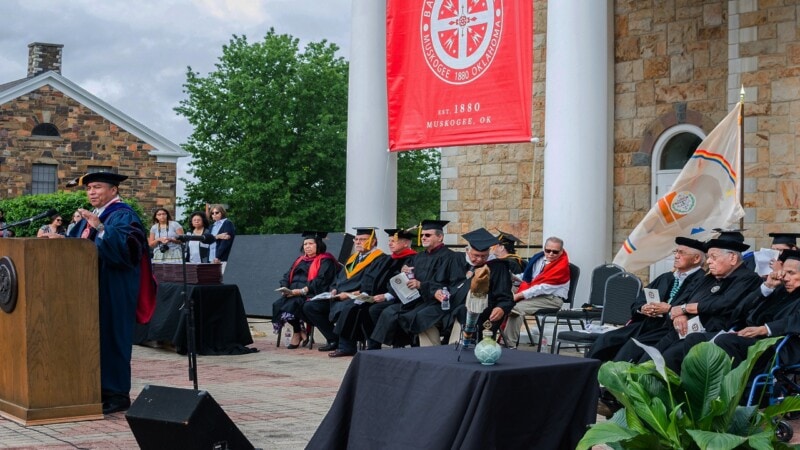
For nearly 145 years, Bacone College served as a center of learning, culture, and opportunity in Muskogee, Oklahoma. Founded in 1880, the institution was especially significant to Native American communities. Known for its art program, faith-based education, and commitment to diversity, Bacone held a special place in American higher education.
In 2025, that long history came to an abrupt and heartbreaking end. The Bacone College Financial Collapse shocked alumni, students, faculty, and the wider community. What happened to this historic school is a story of financial mismanagement, missed opportunities, and a struggle to adapt to modern challenges.
A Brief History of Bacone College
Bacone College was originally founded as a mission school to provide education for Native American students. Over time, it evolved into a liberal arts college with a strong emphasis on Indigenous culture and art. The institution was widely respected for preserving the “Bacone style” of art, a unique blend of traditional Native American themes with contemporary expression.
Generations of students attended Bacone, often being the first in their families to earn a college degree. The school’s commitment to faith and culture made it not only a place of education but also a cultural landmark. Unfortunately, heritage alone was not enough to protect it from the pressures facing small colleges in the United States.
Early Signs of Trouble
The financial issues at Bacone College did not appear overnight. They were the result of years of underfunding, declining enrollment, and poor decision-making. As far back as the 2010s, the college began showing signs of strain. Budgets were tight, buildings needed repairs, and the school struggled to attract enough students to balance its books.
In 2018, Bacone underwent massive layoffs, cutting faculty and staff in an attempt to reduce costs. Several academic programs were eliminated, and parts of the campus were sold to raise money. While these measures provided temporary relief, they did not address the root causes of the college’s financial instability.
Attempts to Save the College
Recognizing the seriousness of its financial situation, Bacone’s leadership explored the possibility of transforming the school into a tribally chartered college. This change could have opened doors to federal funding specifically aimed at Native-serving institutions.
Several tribal nations expressed interest in supporting Bacone in this transition. However, the process required approval from federal agencies, and unfortunately, those approvals never came. Without the expected funding and partnerships, the plan collapsed, leaving Bacone to face its challenges alone.
Mounting Debt and Legal Troubles
As years passed, Bacone’s debts continued to grow. Bills went unpaid, maintenance was deferred, and creditors became increasingly frustrated. By 2023, the college owed large sums of money to various vendors, including contractors who had worked on campus infrastructure.
One of the most notable disputes involved unpaid work on the campus heating and cooling systems. A creditor won a court judgment for about one million dollars, and at one point, the college’s property was scheduled for public auction to help pay the debt. That auction was canceled at the last minute, but it highlighted just how close Bacone was to losing everything.
Suspension of Classes
By early 2024, Bacone’s leadership made the difficult decision to suspend classes. The official statement was that the school needed time to restructure and plan for the future. Administrators insisted that the college was not closing permanently, but students and faculty feared the worst.
Suspending classes meant losing tuition income, which only worsened the school’s financial position. Without a steady stream of revenue, Bacone had fewer options for recovery.
Bankruptcy and the Final Collapse
In mid-2024, Bacone filed for Chapter 11 bankruptcy. This type of bankruptcy is often used by organizations that plan to reorganize and eventually return to normal operations. However, the process quickly went in the wrong direction.
The U.S. trustee overseeing the case accused Bacone’s leadership of “gross mismanagement.” Reports revealed that the acting president had used college funds to repay a personal loan of about $16,500 from the Small Business Administration. This raised serious questions about ethics and oversight.
By May 2025, the bankruptcy case was converted to Chapter 7. This meant Bacone would no longer attempt to reorganize. Instead, its assets would be sold to pay creditors, and the institution would cease to exist. Control of the college shifted from its leadership to a court-appointed trustee. With that, the Bacone College Financial Collapse became final.
The Cultural and Educational Impact
The closure of Bacone College is more than just the loss of another small private school. It represents the end of an important cultural institution. Bacone was known for fostering Native American art and preserving Indigenous history. Its art program helped create and promote a distinctive style that has influenced artists for generations.
The campus itself housed priceless artwork and artifacts tied to Native heritage. The fate of these cultural treasures is now uncertain, as they may be sold or moved as part of the bankruptcy process. For many in the Native American community, this is a painful blow that goes beyond academics.
Why Bacone Failed
The Bacone College Financial Collapse can be traced to several interconnected factors:
-
Declining Enrollment – Like many small colleges, Bacone struggled to attract enough students to cover its operating costs.
-
Poor Financial Oversight – Longstanding mismanagement and questionable use of funds eroded trust and stability.
-
Deferred Maintenance – Years of neglect left the campus in need of expensive repairs that the college could not afford.
-
Failed Strategic Initiatives – Efforts to secure tribal funding and federal support fell through, leaving Bacone without the resources it needed.
-
Legal and Debt Pressures – Mounting lawsuits and unpaid bills forced the school into bankruptcy.
Lessons from the Bacone College Financial Collapse
The fall of Bacone College offers valuable lessons for other institutions:
-
Act Early – Addressing financial problems before they become overwhelming is critical.
-
Maintain Transparency – Stakeholders need clear and honest communication about challenges and plans.
-
Diversify Revenue – Relying too heavily on tuition can be risky, especially for smaller colleges.
-
Protect Cultural Assets – Institutions with historical or cultural significance must prioritize preservation, even during crises.
What Happens Next
With Bacone College now closed, the future of its campus, archives, and cultural assets lies in the hands of the bankruptcy trustee. Some of the property may be sold to other educational institutions, while other parts may be auctioned to private buyers. Alumni groups and tribal organizations may try to save portions of the legacy, but the path forward is uncertain.
Final Thoughts
The Bacone College Financial Collapse is a tragic end to a long and meaningful chapter in American education. It is a reminder that history and tradition, while powerful, cannot shield an institution from the realities of poor management and financial hardship.
Bacone’s story is not only about the loss of a college but also about the broader struggles of small, mission-driven schools in today’s competitive higher education environment. For alumni, Native communities, and the city of Muskogee, the closure leaves a void that will not be easily filled.
Read More: Where Is Clive Rothwell Now After Belle Gibson Scandal