
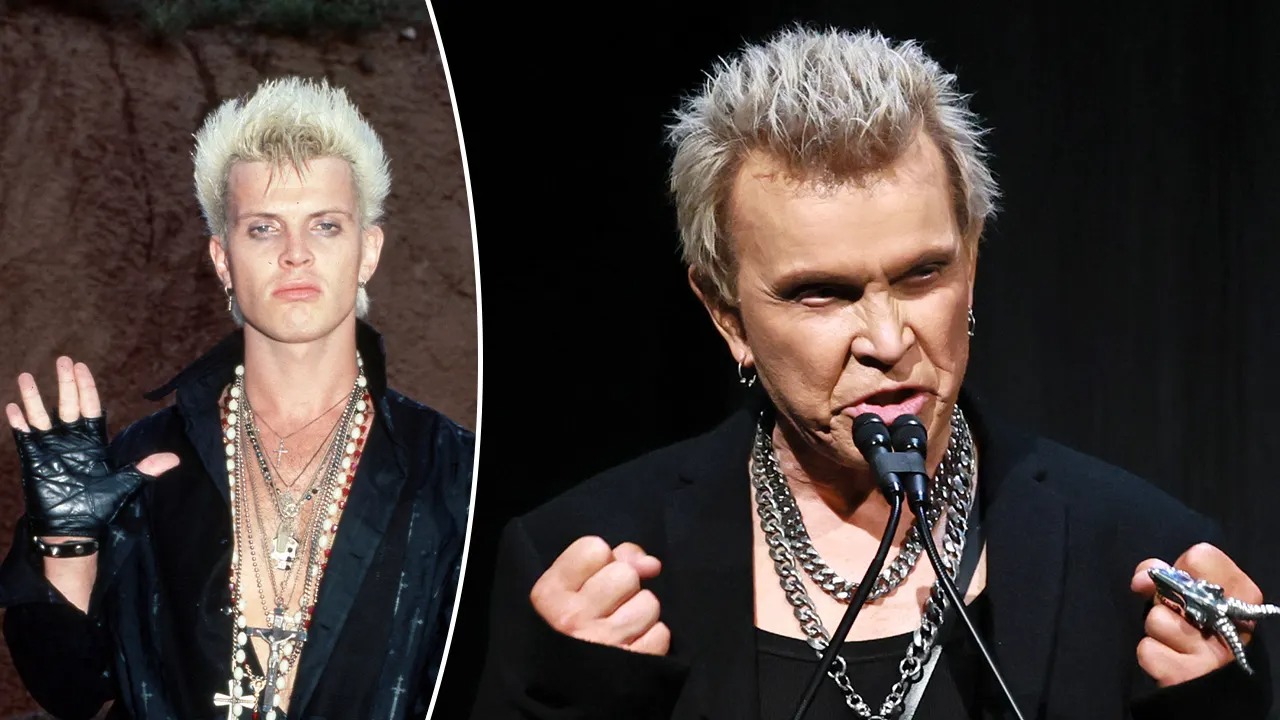


Billy Idol: The Punk Rock Rebel Who Never Stopped Rocking
Billy Idol is one of the most recognizable faces and voices in rock music. His real name is William Michael Albert Broad, but the world knows him as IDOL. He’s famous for his spiky blonde hair, sneering lip curl, leather outfits, and powerful rock songs.
Born on November 30, 1955, in Stanmore, Middlesex, England, Billy Idol became a major star in the 1980s. He helped bring punk rock into the mainstream with a sound that mixed raw energy, catchy melodies, and bold attitude.
Early Life and Punk Beginnings
Billy Idol grew up in a working-class English family. As a teen, he moved with his parents to Long Island, New York, for a few years. There, he got a first taste of American culture and music. This experience would later shape his unique sound.
In the 1970s, he returned to the UK and got involved in London’s exploding punk rock scene. Inspired by bands like the Sex Pistols and The Clash, Billy became the lead singer of a punk band called Generation X.
Generation X: His First Step Into Fame
Generation X was one of the first punk bands to appear on British TV. Unlike many punk groups, they were more melodic and catchy. Idol's stage presence and voice stood out. Songs like “Dancing with Myself” became underground hits. But the band didn’t last long. By 1981, Generation X had broken up, and Billy was ready to go solo.
Billy Idol Goes Solo: The 1980s Explosion
In 1981, Idol moved to New York City to start his solo career. Teaming up with guitarist Steve Stevens, he created a new sound: a mix of punk, rock, and new wave. His self-titled debut album came out in 1982 and included hits like “White Wedding” and “Hot in the City.”
These songs made Billy Idol a star. MTV was rising, and Idol’s rebellious image and music videos were a perfect fit. His sneer, leather look, and sexy performances helped make him a regular on TV.
Rebel Yell: The Album That Defined a Generation
In 1983, Billy Idol released Rebel Yell, the album that made him a global superstar. The title track became a rock anthem. Other hits like “Eyes Without a Face” and “Flesh for Fantasy” showed a softer, darker side of his music.
Rebel Yell sold millions of copies and made Idol a household name in America and beyond.
The Power of Image and MTV
Billy Idol didn’t just make music. He created a full rock and roll character. He had the look, attitude, and stage presence that made fans go wild. His videos were dramatic, often romantic or rebellious, and helped define the MTV generation.
Songs like “White Wedding” were about heartbreak, but the visuals made them feel like mini-movies. His cool image appealed to both punk fans and mainstream audiences.
Personal Struggles and Comeback
Like many rock stars of the 1980s, Billy Idol struggled with drug and alcohol addiction. In 1990, he nearly died in a motorcycle accident in Los Angeles. He broke several bones and had to spend months recovering. This accident forced him to slow down and rethink his lifestyle.
But Billy never gave up. In the 1990s, he kept making music and even appeared in movies like The Wedding Singer (1998), where he played himself in a funny and iconic cameo.
Reinventing Himself: Idol in the 2000s and Beyond
In the 2000s, Billy Idol made a big comeback. He released the album Devil’s Playground in 2005, his first new record in over a decade. It showed fans that he still had the same energy and power.
He followed it up with Kings & Queens of the Underground in 2014. Critics praised the album for its mature lyrics and strong melodies. Idol had grown as a songwriter and performer, but he hadn’t lost his edge.
Memoir and Reflection
In 2014, Billy Idol published his autobiography, Dancing with Myself. The book is a deep and honest look into his wild life. He talks openly about fame, addiction, love, and music. Fans loved the raw truth and humor in the book.
Music Style and Influence
Idol’s music blends punk rock’s aggression, pop’s melody, and hard rock’s power. His biggest strength is his ability to cross genres while keeping his identity strong.
He’s inspired artists across many genres—rock, punk, pop, and even electronic. His collaboration with dance artist Moby in “New Dawn Fades” showed his ability to stay relevant.
His iconic scream in “Rebel Yell” and the tender vocals in “Eyes Without a Face” show his range. He’s not just a one-hit wonder. He’s a true rock artist.
Steve Stevens: The Perfect Guitar Partner
No article about Billy Idol is complete without talking about Steve Stevens. His wild, creative guitar playing helped shape Idol’s sound. The two worked together on all of Idol’s biggest albums.
Their chemistry onstage is electric. Stevens’ flashy solos and Idol’s swagger make them one of rock’s most iconic duos.
Billy Idol Today
Today, Idol still tours and performs. He often plays at major festivals and does shows with his longtime band. In 2021 and 2022, he released new EPs (The Roadside and The Cage), proving he’s still creative and full of fire.
He’s now in his late 60s, but he’s still performing with energy, passion, and that signature snarl.
Why Billy Idol Still Matters
An idol is more than just a rock star. He’s a symbol of rebellion, survival, and style. He took punk rock from the underground and gave it a new voice. His songs are still played, his videos still watched, and his fans still loyal.
He taught us that you don’t need to follow the rules to succeed. You just need to stay true to who you are.
Final Thoughts
Idol’s journey is inspiring. From punk rebel to global rock icon, from addiction to recovery, he has lived many lives. But through it all, his love for music never faded.
Whether you first heard him on a vinyl record, MTV, or Spotify, Billy Idol continues to leave a mark. He’s a living legend who proves that rock and roll never grows old.
In other entertainment news, Atiqa Odho’s powerful stance on forced marriage has sparked intense online debate. Read her bold statement here: Atiqa Odho on Forced Marriage.
'%3e%3crect%20y='0.445312'%20width='48'%20height='48'%20rx='24'%20fill='white'%20fill-opacity='0.5'/%3e%3crect%20x='0.5'%20y='0.945312'%20width='47'%20height='47'%20rx='23.5'%20stroke='%23808080'/%3e%3cpath%20d='M34.625%2024.4453L14%2024.4453'%20stroke='%23808080'%20stroke-width='0.920053'/%3e%3cpath%20d='M23.375%2034.4453L13.375%2024.4453L23.375%2014.4453'%20stroke='%23808080'%20stroke-width='0.920053'/%3e%3c/g%3e%3cdefs%3e%3cfilter%20id='filter0_b_489_44344'%20x='-12'%20y='-11.5547'%20width='72'%20height='72'%20filterUnits='userSpaceOnUse'%20color-interpolation-filters='sRGB'%3e%3cfeFlood%20flood-opacity='0'%20result='BackgroundImageFix'/%3e%3cfeGaussianBlur%20in='BackgroundImageFix'%20stdDeviation='6'/%3e%3cfeComposite%20in2='SourceAlpha'%20operator='in'%20result='effect1_backgroundBlur_489_44344'/%3e%3cfeBlend%20mode='normal'%20in='SourceGraphic'%20in2='effect1_backgroundBlur_489_44344'%20result='shape'/%3e%3c/filter%3e%3c/defs%3e%3c/svg%3e)
'%3e%3crect%20y='0.445312'%20width='48'%20height='48'%20rx='24'%20fill='white'%20fill-opacity='0.5'/%3e%3crect%20x='0.5'%20y='0.945312'%20width='47'%20height='47'%20rx='23.5'%20stroke='%23808080'/%3e%3cpath%20d='M13.375%2024.4453L34%2024.4453'%20stroke='%23808080'%20stroke-width='0.920053'/%3e%3cpath%20d='M24.625%2014.4453L34.625%2024.4453L24.625%2034.4453'%20stroke='%23808080'%20stroke-width='0.920053'/%3e%3c/g%3e%3cdefs%3e%3cfilter%20id='filter0_b_489_44344'%20x='-12'%20y='-11.5547'%20width='72'%20height='72'%20filterUnits='userSpaceOnUse'%20color-interpolation-filters='sRGB'%3e%3cfeFlood%20flood-opacity='0'%20result='BackgroundImageFix'/%3e%3cfeGaussianBlur%20in='BackgroundImageFix'%20stdDeviation='6'/%3e%3cfeComposite%20in2='SourceAlpha'%20operator='in'%20result='effect1_backgroundBlur_489_44344'/%3e%3cfeBlend%20mode='normal'%20in='SourceGraphic'%20in2='effect1_backgroundBlur_489_44344'%20result='shape'/%3e%3c/filter%3e%3c/defs%3e%3c/svg%3e)