


Blob Fish: From ‘World’s Ugliest’ to Most Beloved Fish
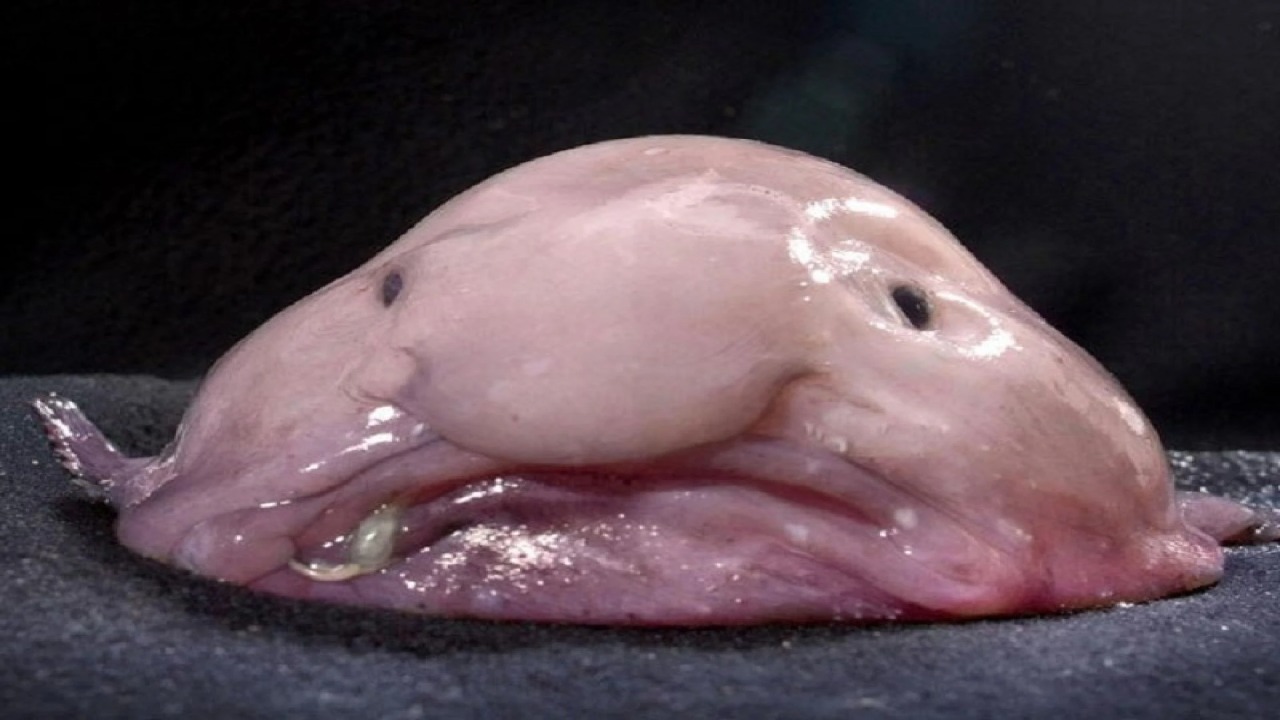
Once ridiculed as the ugliest animal in the world, the blob fish has undergone an incredible transformation in public perception. Initially recognized for its unusual, droopy appearance, this deep-sea creature became an internet sensation, making waves across social media and scientific communities alike. The recent recognition of the blob fish as New Zealand’s Fish of the Year 2025 has sparked renewed interest, turning it from a misunderstood oddity into a marine conservation icon.
From Deep-Sea Mystery to Online Sensation
The blob fish, (Psychrolutes marcidus), inhabits the deep waters off the coasts of Australia and New Zealand, residing at depths of 600 to 1,200 meters. In its natural habitat, the blob fish in the water looks far different from the deflated creature often seen in viral images. Without a swim bladder like most fish, it relies on its gelatinous body to withstand extreme deep-sea pressure.
The turning point in the blob fish’s fame came in 2013 when it was voted the world’s ugliest animal in a campaign by the Ugly Animal Preservation Society. While the title was meant to promote lesser-known endangered species, the image of the blob fish taken out of water became a meme, cementing its reputation as an oddity. However, this narrative is shifting. As more people learn about its fascinating adaptations, appreciation for the blob fish is growing.
Blob Fish in the Water: A Hidden Beauty
While the blob fish appears deflated and sad-looking in viral images, this is a misleading representation. In reality, the blob fish in water looks quite different. Unlike shallow-water fish that rely on rigid skeletal structures, the blob fish’s body is uniquely adapted to survive in deep-sea environments.
Blob Fish Under Pressure: Survival Tactics in Extreme Environments
Surviving at depths where pressure is 120 times greater than at the surface requires incredible adaptations. Since most fish have gas-filled swim bladders to control buoyancy, these would collapse under extreme pressure. Instead, the blob fish under pressure relies on its gelatinous flesh, which is slightly less dense than water, allowing it to hover effortlessly above the ocean floor without expending energy.
Despite its sluggish appearance, the blob fish plays a crucial role in the deep-sea ecosystem. As a bottom-dweller, it consumes small invertebrates, maintaining ecological balance.
Three Facts of Blobfish of Their Family
The blob fish belongs to the Psychrolutidae family, also known as fathead sculpins. Here are three intriguing facts about these deep-sea dwellers:
-
Unusual Body Composition – The blob fish’s body is primarily made of gelatinous tissue, allowing it to withstand high pressure. Out of water, its structure collapses, leading to its infamous appearance.
-
Passive Feeding Strategy – Unlike active hunters, the blob fish waits for small crustaceans, sea pens, and other invertebrates to drift into its path, consuming them effortlessly.
-
Egg-Laying Habits – Blobfish females lay thousands of eggs in clusters on the ocean floor, guarding them until they hatch, ensuring their survival in the harsh deep-sea environment.
Blob Fish in Popular Culture
The blob fish’s rise to fame began with its 2013 “ugliest animal” title. The internet quickly embraced its droopy, melancholic expression, spawning countless memes, plush toys, and even animated appearances in children’s shows.
Internet Memes and Viral Fame
The viral nature of blob fish memes led to a wave of interest in deep-sea creatures. Some embraced its odd looks with humor, while others felt sympathy, recognizing that its appearance was a result of decompression when brought to the surface. Blob fish in the water remain unseen by most people, and their deep-sea adaptations often go unappreciated.
How Media Changed Public Perception
Recent years have seen a shift in the way the media portrays the blob fish. Documentaries, marine researchers, and conservationists have reframed the narrative, highlighting the creature’s remarkable survival skills rather than its “ugliness.” The New Zealand Fish of the Year win further solidified its newfound status as a marine conservation symbol.
Conservation and Future of the Blob Fish
Despite its newfound fame, the blob fish faces significant threats due to human activities. Deep-sea trawling, a fishing method that drags heavy nets across the ocean floor, poses a major risk to blobfish populations. These nets not only destroy habitats but also unintentionally capture deep-sea creatures like the blob fish, impacting their survival.
How Awareness is Driving Conservation Efforts
The blob fish’s internet fame has contributed to growing awareness about deep-sea ecosystems. Conservation organizations now use the blob fish as a poster species for protecting deep-sea environments. Efforts to regulate deep-sea trawling and promote sustainable fishing practices are crucial to ensuring its survival.
For more on ocean conservation efforts, check out this in-depth guide on marine biodiversity protection.
Conclusion
The blob fish’s journey from being mocked as the ugliest animal in the world to becoming a symbol of deep-sea conservation is nothing short of remarkable. Once misunderstood, it now represents the fragile beauty of deep-sea ecosystems and the need to protect them.
As awareness grows, so does admiration for this unique creature, proof that even the most unlikely species can find a place in people’s hearts.
'%3e%3crect%20y='0.445312'%20width='48'%20height='48'%20rx='24'%20fill='white'%20fill-opacity='0.5'/%3e%3crect%20x='0.5'%20y='0.945312'%20width='47'%20height='47'%20rx='23.5'%20stroke='%23808080'/%3e%3cpath%20d='M34.625%2024.4453L14%2024.4453'%20stroke='%23808080'%20stroke-width='0.920053'/%3e%3cpath%20d='M23.375%2034.4453L13.375%2024.4453L23.375%2014.4453'%20stroke='%23808080'%20stroke-width='0.920053'/%3e%3c/g%3e%3cdefs%3e%3cfilter%20id='filter0_b_489_44344'%20x='-12'%20y='-11.5547'%20width='72'%20height='72'%20filterUnits='userSpaceOnUse'%20color-interpolation-filters='sRGB'%3e%3cfeFlood%20flood-opacity='0'%20result='BackgroundImageFix'/%3e%3cfeGaussianBlur%20in='BackgroundImageFix'%20stdDeviation='6'/%3e%3cfeComposite%20in2='SourceAlpha'%20operator='in'%20result='effect1_backgroundBlur_489_44344'/%3e%3cfeBlend%20mode='normal'%20in='SourceGraphic'%20in2='effect1_backgroundBlur_489_44344'%20result='shape'/%3e%3c/filter%3e%3c/defs%3e%3c/svg%3e)
'%3e%3crect%20y='0.445312'%20width='48'%20height='48'%20rx='24'%20fill='white'%20fill-opacity='0.5'/%3e%3crect%20x='0.5'%20y='0.945312'%20width='47'%20height='47'%20rx='23.5'%20stroke='%23808080'/%3e%3cpath%20d='M13.375%2024.4453L34%2024.4453'%20stroke='%23808080'%20stroke-width='0.920053'/%3e%3cpath%20d='M24.625%2014.4453L34.625%2024.4453L24.625%2034.4453'%20stroke='%23808080'%20stroke-width='0.920053'/%3e%3c/g%3e%3cdefs%3e%3cfilter%20id='filter0_b_489_44344'%20x='-12'%20y='-11.5547'%20width='72'%20height='72'%20filterUnits='userSpaceOnUse'%20color-interpolation-filters='sRGB'%3e%3cfeFlood%20flood-opacity='0'%20result='BackgroundImageFix'/%3e%3cfeGaussianBlur%20in='BackgroundImageFix'%20stdDeviation='6'/%3e%3cfeComposite%20in2='SourceAlpha'%20operator='in'%20result='effect1_backgroundBlur_489_44344'/%3e%3cfeBlend%20mode='normal'%20in='SourceGraphic'%20in2='effect1_backgroundBlur_489_44344'%20result='shape'/%3e%3c/filter%3e%3c/defs%3e%3c/svg%3e)