
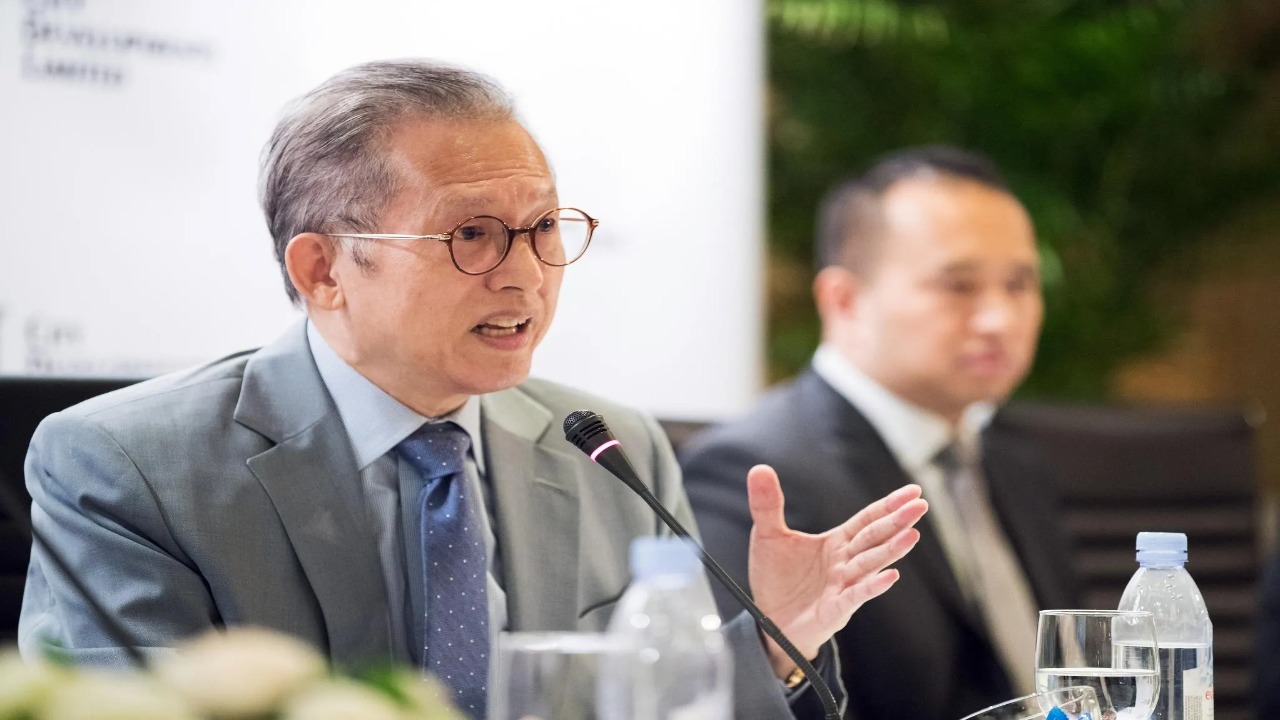


CDL Feud: CdL Kwek Leng Beng Drops Lawsuit Against Son
CdL Kwek Leng Beng, a prominent Singaporean businessman, is the executive chairman of City Developments Limited (CDL), one of the largest real estate developers in Southeast Asia. With a business empire spanning multiple industries, his leadership has long shaped the direction of CDL.
However, CDL recently made headlines due to an internal power struggle between CdL Kwek Leng Beng and his son, Sherman Kwek, the company’s CEO. The dispute intensified when CdL Kwek Leng Beng filed a lawsuit against his son, alleging an attempted corporate coup. In a surprising turn, he later dropped the lawsuit, marking a significant moment in CDL’s leadership history. This article examines the origins of the conflict, the legal battle, and the implications for CDL’s future.
The Origins of the CDL Family Dispute
The conflict within CDL is rooted in leadership differences between CdL Kwek Leng Beng and Sherman Kwek. Having led CDL for decades, CdL Kwek Leng Beng has played a key role in building the company’s international reputation. However, under Sherman’s leadership, new strategies and governance changes reportedly clashed with traditional corporate structures.
Tensions escalated when CdL Kwek Leng Beng accused Sherman Kwek and a group of board members of bypassing CDL’s nomination committee to restructure the company’s leadership. According to CdL Kwek Leng Beng, these unauthorized changes went against the Singapore Exchange Listing Rules and corporate governance principles. In response, he filed a lawsuit to challenge the moves and prevent further alterations.
The Legal Battle: CdL Kwek Leng Beng’s Lawsuit
On February 25, 2025, CdL Kwek Leng Beng filed court papers against Sherman Kwek and key board members, including Philip Lee Jee Cheng and Wong Ai Ai. The lawsuit accused Sherman Kwek’s group of consolidating power within CDL’s board and making unilateral governance decisions.
Key Allegations and Boardroom Tensions:
-
Bypassing Governance Protocols: CdL Kwek Leng Beng claimed that Sherman’s team restructured leadership without proper authorization.
-
Reshaping CDL’s Board Composition: The lawsuit alleged that changes were made to strengthen Sherman’s influence within the company.
-
Market Concerns: The dispute raised investor concerns over CDL’s governance stability.
Market Reaction to the Lawsuit:
Following the lawsuit, CDL’s stock experienced fluctuations as investor confidence wavered. Many analysts feared that internal instability could impact the company’s global business operations.
Resolution: Why the Lawsuit Was Dropped
Despite the escalating dispute, CdL Kwek Leng Beng ultimately decided to withdraw the lawsuit in March 2025. While the exact reasons remain undisclosed, several key factors contributed to this decision:
1. Mediation Efforts and Corporate Influence
Singapore’s business leaders and legal advisors reportedly intervened to facilitate mediation between CdL Kwek Leng Beng and Sherman Kwek, urging them to prioritize corporate stability over personal conflicts.
2. Investor Pressure and Market Stability
With CDL’s stock experiencing turbulence, investor groups likely pushed for an amicable resolution to prevent further damage to the company’s reputation.
3. Family and Legacy Considerations
Given CDL’s status as a family-run business, resolving the conflict internally was crucial to preserving the Kwek family’s business empire.
Impact on CDL’s Future and Business Outlook
With the lawsuit dropped, CDL now faces the challenge of restoring investor confidence and ensuring stable leadership. Several key outcomes may shape its future:
1. Investor Response and Market Trends
Following the resolution, CDL’s stock has started stabilizing, but investors remain cautious. The long-term impact of this dispute will depend on how the company manages governance reforms.
2. Strengthening Corporate Governance
The internal feud has highlighted governance gaps within CDL. Strengthening corporate oversight and decision-making processes will be essential to prevent similar conflicts in the future.
3. Leadership Stability Moving Forward
While Sherman Kwek continues as CEO, the long-term leadership structure remains uncertain. Whether CdL Kwek Leng Beng will push for further leadership changes remains a critical question.
Conclusion
The power struggle between CdL Kwek Leng Beng and Sherman Kwek offers a rare glimpse into the challenges of family-led corporate governance. While the lawsuit has been withdrawn, the event has left lasting implications for CDL’s leadership, governance, and market perception.
To maintain its status as a leading real estate giant, CDL must focus on corporate stability, investor relations, and governance transparency. This dispute serves as a key lesson for family-run businesses, emphasizing the need for structured leadership transitions and strong corporate policies.
For a deeper analysis of business leadership disputes, check out our guide on Singapore’s Corporate Power Struggles.
'%3e%3crect%20y='0.445312'%20width='48'%20height='48'%20rx='24'%20fill='white'%20fill-opacity='0.5'/%3e%3crect%20x='0.5'%20y='0.945312'%20width='47'%20height='47'%20rx='23.5'%20stroke='%23808080'/%3e%3cpath%20d='M34.625%2024.4453L14%2024.4453'%20stroke='%23808080'%20stroke-width='0.920053'/%3e%3cpath%20d='M23.375%2034.4453L13.375%2024.4453L23.375%2014.4453'%20stroke='%23808080'%20stroke-width='0.920053'/%3e%3c/g%3e%3cdefs%3e%3cfilter%20id='filter0_b_489_44344'%20x='-12'%20y='-11.5547'%20width='72'%20height='72'%20filterUnits='userSpaceOnUse'%20color-interpolation-filters='sRGB'%3e%3cfeFlood%20flood-opacity='0'%20result='BackgroundImageFix'/%3e%3cfeGaussianBlur%20in='BackgroundImageFix'%20stdDeviation='6'/%3e%3cfeComposite%20in2='SourceAlpha'%20operator='in'%20result='effect1_backgroundBlur_489_44344'/%3e%3cfeBlend%20mode='normal'%20in='SourceGraphic'%20in2='effect1_backgroundBlur_489_44344'%20result='shape'/%3e%3c/filter%3e%3c/defs%3e%3c/svg%3e)
'%3e%3crect%20y='0.445312'%20width='48'%20height='48'%20rx='24'%20fill='white'%20fill-opacity='0.5'/%3e%3crect%20x='0.5'%20y='0.945312'%20width='47'%20height='47'%20rx='23.5'%20stroke='%23808080'/%3e%3cpath%20d='M13.375%2024.4453L34%2024.4453'%20stroke='%23808080'%20stroke-width='0.920053'/%3e%3cpath%20d='M24.625%2014.4453L34.625%2024.4453L24.625%2034.4453'%20stroke='%23808080'%20stroke-width='0.920053'/%3e%3c/g%3e%3cdefs%3e%3cfilter%20id='filter0_b_489_44344'%20x='-12'%20y='-11.5547'%20width='72'%20height='72'%20filterUnits='userSpaceOnUse'%20color-interpolation-filters='sRGB'%3e%3cfeFlood%20flood-opacity='0'%20result='BackgroundImageFix'/%3e%3cfeGaussianBlur%20in='BackgroundImageFix'%20stdDeviation='6'/%3e%3cfeComposite%20in2='SourceAlpha'%20operator='in'%20result='effect1_backgroundBlur_489_44344'/%3e%3cfeBlend%20mode='normal'%20in='SourceGraphic'%20in2='effect1_backgroundBlur_489_44344'%20result='shape'/%3e%3c/filter%3e%3c/defs%3e%3c/svg%3e)