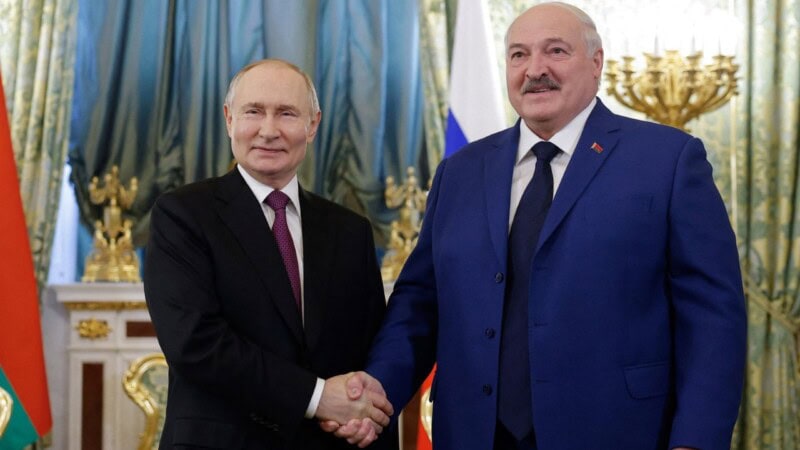
The term “ceasefire” has become a focal point of international discussions, reflecting ongoing geopolitical struggles and humanitarian concerns. Recent global events have intensified the demand for ceasefire agreements, particularly in Ukraine and the Middle East, where conflicts have escalated to critical levels. Understanding “what is ceasefire?” and “how does a ceasefire work?” provides crucial insight into its implications for global stability.
The Rising Demand for Ceasefire Agreements
Amidst prolonged hostilities, ceasefire discussions have taken center stage. The United States and Ukraine have initiated negotiations for a 30-day ceasefire, pressing Russia to engage in the process. The proposed agreement includes lifting military aid restrictions and enhancing intelligence sharing. However, Russia remains hesitant, setting its own conditions for a potential truce. Meanwhile, U.S. diplomatic efforts continue, with high-level discussions expected between the leaders of both nations.
In the Middle East, ceasefire talks between Israel and Hamas have resumed, following escalating violence in Gaza. Israel has set conditions for releasing half of the remaining hostages in exchange for a temporary ceasefire, while Hamas demands comprehensive negotiations that ensure long-term stability. The United Nations has condemned the blockade of essential supplies to Gaza, emphasizing the dire humanitarian consequences of prolonged conflict.
What is Ceasefire?
A ceasefire refers to a temporary or permanent halt in hostilities between warring parties, often facilitated by diplomatic negotiations. It serves as a means to reduce immediate violence, allowing space for dialogue, humanitarian aid, and potential peace settlements. Ceasefires can be unilateral, bilateral, or multilateral, depending on the involvement of conflicting factions.
Historical precedents highlight the significance of ceasefires in resolving conflicts. The Korean War armistice in 1953 established a ceasefire that remains in place, despite the absence of a formal peace treaty. More recently, ceasefire agreements in Syria have provided intermittent relief, demonstrating both the potential and challenges of implementing such measures.
How Does a Ceasefire Work?
A ceasefire operates through structured negotiations involving multiple stakeholders. International mediators, such as the United Nations or regional organizations, often play a critical role in facilitating agreements. Key components include:
-
Terms and Conditions: The parties define the scope, duration, and specific commitments of the ceasefire, ensuring clarity on compliance expectations.
-
Monitoring Mechanisms: Independent observers may be deployed to oversee adherence, preventing violations and fostering transparency.
-
Humanitarian Access: Ceasefires often prioritize the safe passage of humanitarian aid, allowing affected populations to receive medical assistance, food, and other essential resources.
-
Disarmament and De-escalation: In some cases, agreements include provisions for withdrawing troops, deactivating military positions, or initiating disarmament measures.
-
Diplomatic Follow-Up: Ceasefires serve as stepping stones for broader peace negotiations, aiming for long-term conflict resolution.
Challenges and Violations
While ceasefires hold promise, they are not without challenges. Violations frequently occur due to mistrust, differing interpretations of terms, and strategic advantages sought by conflicting parties. The failure of previous ceasefires in the Israeli-Palestinian conflict underscores the fragility of such agreements. Similarly, ongoing clashes in Ukraine reveal the complexities of enforcing a truce amid evolving military strategies.
International actors often intervene to hold parties accountable, imposing sanctions or diplomatic pressures on those breaching agreements. However, sustainable peace requires genuine commitment from all involved stakeholders.
The Humanitarian Imperative
Beyond military and political considerations, ceasefires have profound humanitarian significance. In war-torn regions, civilians bear the brunt of violence, facing displacement, starvation, and loss of essential services. Ceasefire agreements provide a critical window for aid organizations to deliver life-saving assistance, evacuate vulnerable populations, and restore basic infrastructure.
The urgency for ceasefires extends beyond immediate conflict zones. Global security is interconnected, with regional instabilities influencing economic markets, migration patterns, and international relations. Establishing and maintaining ceasefires contributes to broader peace-building efforts, fostering stability that benefits multiple nations.
The Path Forward
As ceasefire discussions gain momentum, international cooperation remains essential. Diplomatic initiatives, pressure from global institutions, and civil society advocacy all play roles in shaping effective agreements. The world watches closely as negotiations unfold in Ukraine and the Middle East, hoping for resolutions that prioritize peace over prolonged violence.
Understanding “what is ceasefire?” and “how does a ceasefire work?” goes beyond political discourse. It represents a collective aspiration for a world where dialogue replaces destruction, and cooperation triumphs over conflict. In the coming weeks, the outcomes of these negotiations will determine the trajectory of global peace efforts, reinforcing the importance of diplomatic engagement in crisis resolution.
Read Also: Baja Beach Fest 2025: Ultimate Latin Music Festival Guide