
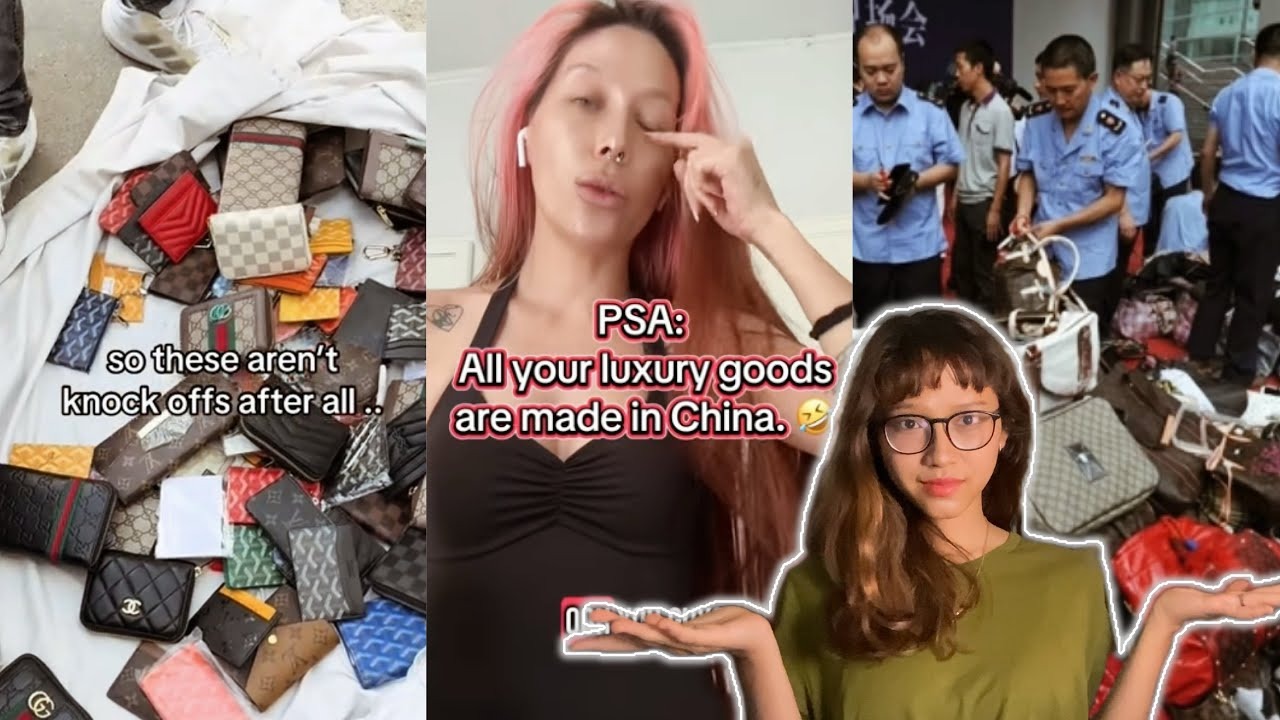


China Exposing Luxury Brands: Truth Behind Western Luxury Uncovered
In a world where luxury items like Chanel, Hermès, and Prada are seen as ultimate status symbols, a new wave of revelations has shaken the global fashion scene. Thanks to viral social media clips, Chinese manufacturers and influencers are exposing luxury brands, revealing how many of these pricey items are made cheaply in Chinese factories, then sold at jaw-dropping prices with fancy European labels. This exposé is turning heads and raising eyebrows in the ongoing tariff war between China and the United States.
The Modern “Emperor’s New Clothes”
The situation feels eerily similar to the old tale of The Emperor’s New Clothes. In the story, a vain emperor is tricked into believing he’s wearing clothes invisible to the unworthy. Today, it’s luxury brand consumers who are realizing the expensive items they bought for prestige are often made for pennies in the same factories as lower-end products.
Chinese business insiders and social media influencers have started showing behind-the-scenes factory footage, exposing how high-end bags, shoes, and accessories are produced at incredibly low costs. One TikTok video even revealed that Birkin bags, which can retail for over $30,000, might only cost around $1,400 to manufacture in China.
What Brands Are Being Exposed?
From Chanel, Gucci, Dior, Hermès, Prada, to Ralph Lauren, many well-known names are being called out. A popular Chinese consulting CEO even listed 30+ luxury brands said to manufacture their products in China.
These include:
-
Chanel
-
Hermès
-
Dior
-
Prada
-
Gucci
-
Louis Vuitton
-
Coach
-
Michael Kors
-
Lululemon
-
Nike
-
Apple (for accessories)
Despite the Made in China origin, these products are later shipped to Europe or the US for branding and packaging, allowing them to carry “Made in Italy” or “Made in France” labels.
The Price Gap: Why It Matters
The production cost of luxury items is often less than 10% of the retail price. For example, a $500 luxury bag might cost just $30 to produce. The remaining cost goes to branding, marketing, retail markup, and prestige pricing.
This gap not only questions the value of luxury goods, but also the ethics of the brands, who rely on the illusion of exclusivity and “superior quality” while paying minimal wages to manufacturers.
China’s Role: Pulling Back the Curtain
By sharing this information, China is exposing luxury brands and peeling back the glamorous image that many Western companies have carefully built. TikTok creators and factory insiders are boldly saying what many already suspected: “Luxury doesn’t always mean better quality—it just means better marketing.”
This movement has also led to a rise in direct-to-consumer sales, where people are encouraged to buy factory-made products without the label markup, saving hundreds or even thousands of dollars.
Impact of Trump’s Tariff War
This exposure coincides with escalating US-China trade tensions. Under former President Donald Trump’s “Liberation Day” tariff policy, the US imposed steep tariffs on Chinese imports, going from 10% in February 2025 to a whopping 145% by April.
In retaliation, China slapped a 125% tariff on US goods. But while the trade war rages on, China has used the spotlight to show that Western economies heavily rely on Chinese production, even for their most expensive, high-end goods.
Ironically, even luxury electronics and smartphones, once considered exempt, are now subject to tariffs. While the US claims it’s “punishing China,” the exposure of luxury brands has started turning public sentiment the other way.
Global Reactions and Soft Power Shift
Many consumers, especially Gen Z and Millennials, are applauding China’s efforts. They see this not as an attack, but as an honest revelation of what the luxury industry is: a symbol of wealth more than craftsmanship.
Some influencers have gone as far as saying that Western luxury goods are one of the last forms of soft power left for the US and Europe, and now that power is being questioned.
Comments like, “Why pay $3,000 for a bag that costs $80 to make?” are gaining traction online.
What This Means for the Future of Fashion
The exposure has triggered a conversation about:
-
Ethical pricing
-
Supply chain transparency
-
The illusion of luxury
-
Empowering consumers to make informed purchases
Luxury brands now face a crucial decision: either open up about their production practices or risk losing trust among younger, more informed buyers.
Conclusion
China exposing luxury brands is more than just a viral moment—it’s a turning point in how we view luxury, economics, and global trade. Much like the emperor in the fairytale, the public is waking up to the truth: many of these expensive brands aren’t as exclusive or special as they seem.
As the trade war unfolds and more manufacturers speak out, one thing is clear: the veil of Western luxury has been lifted, and the world is finally seeing what lies beneath.
Read More: Yusuf Pathan Faces Backlash for ‘Good Chai’ Post Amid Murshidabad Violence
'%3e%3crect%20y='0.445312'%20width='48'%20height='48'%20rx='24'%20fill='white'%20fill-opacity='0.5'/%3e%3crect%20x='0.5'%20y='0.945312'%20width='47'%20height='47'%20rx='23.5'%20stroke='%23808080'/%3e%3cpath%20d='M34.625%2024.4453L14%2024.4453'%20stroke='%23808080'%20stroke-width='0.920053'/%3e%3cpath%20d='M23.375%2034.4453L13.375%2024.4453L23.375%2014.4453'%20stroke='%23808080'%20stroke-width='0.920053'/%3e%3c/g%3e%3cdefs%3e%3cfilter%20id='filter0_b_489_44344'%20x='-12'%20y='-11.5547'%20width='72'%20height='72'%20filterUnits='userSpaceOnUse'%20color-interpolation-filters='sRGB'%3e%3cfeFlood%20flood-opacity='0'%20result='BackgroundImageFix'/%3e%3cfeGaussianBlur%20in='BackgroundImageFix'%20stdDeviation='6'/%3e%3cfeComposite%20in2='SourceAlpha'%20operator='in'%20result='effect1_backgroundBlur_489_44344'/%3e%3cfeBlend%20mode='normal'%20in='SourceGraphic'%20in2='effect1_backgroundBlur_489_44344'%20result='shape'/%3e%3c/filter%3e%3c/defs%3e%3c/svg%3e)
'%3e%3crect%20y='0.445312'%20width='48'%20height='48'%20rx='24'%20fill='white'%20fill-opacity='0.5'/%3e%3crect%20x='0.5'%20y='0.945312'%20width='47'%20height='47'%20rx='23.5'%20stroke='%23808080'/%3e%3cpath%20d='M13.375%2024.4453L34%2024.4453'%20stroke='%23808080'%20stroke-width='0.920053'/%3e%3cpath%20d='M24.625%2014.4453L34.625%2024.4453L24.625%2034.4453'%20stroke='%23808080'%20stroke-width='0.920053'/%3e%3c/g%3e%3cdefs%3e%3cfilter%20id='filter0_b_489_44344'%20x='-12'%20y='-11.5547'%20width='72'%20height='72'%20filterUnits='userSpaceOnUse'%20color-interpolation-filters='sRGB'%3e%3cfeFlood%20flood-opacity='0'%20result='BackgroundImageFix'/%3e%3cfeGaussianBlur%20in='BackgroundImageFix'%20stdDeviation='6'/%3e%3cfeComposite%20in2='SourceAlpha'%20operator='in'%20result='effect1_backgroundBlur_489_44344'/%3e%3cfeBlend%20mode='normal'%20in='SourceGraphic'%20in2='effect1_backgroundBlur_489_44344'%20result='shape'/%3e%3c/filter%3e%3c/defs%3e%3c/svg%3e)