
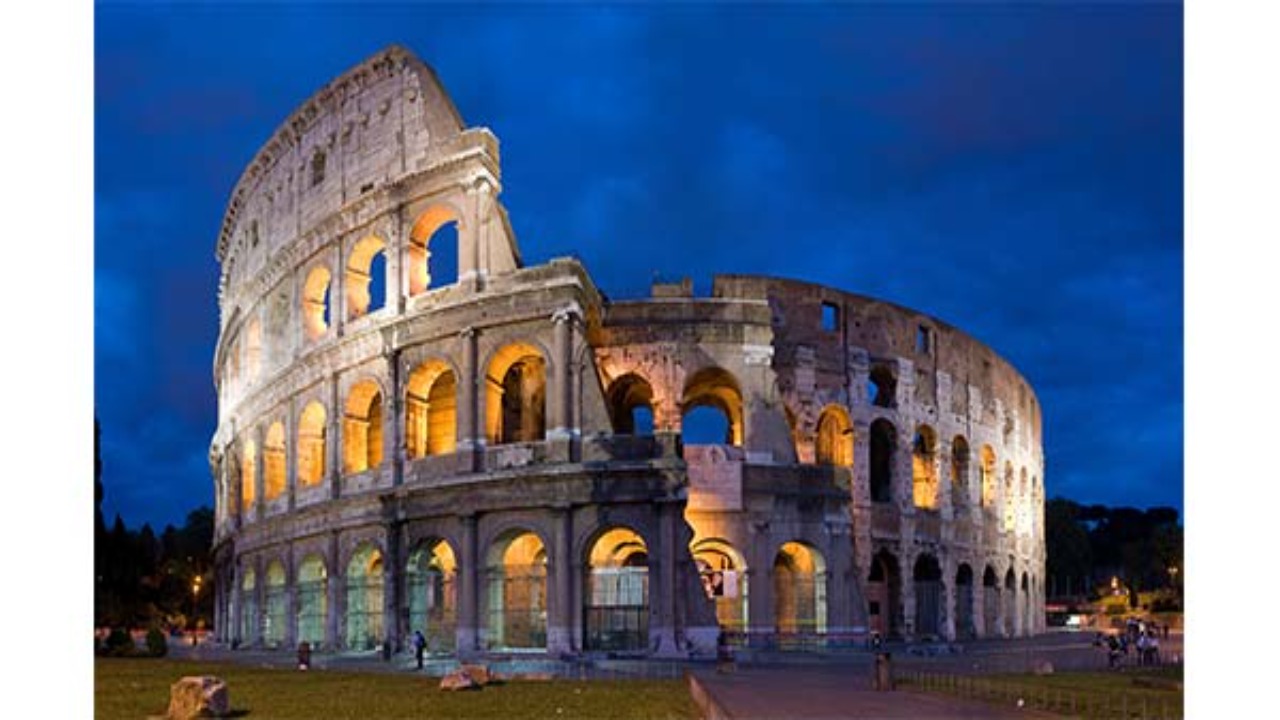


Cultural Heritage: Why It Matters and How It Shapes Our Future
Cultural heritage reflects the history, values, and identity of communities across generations. It includes both physical landmarks and living traditions that shape how people connect with their roots. From historic monuments to languages and festivals, cultural heritage plays a vital role in building unity and preserving memories. Understanding its value helps protect these treasures for the future while celebrating the unique stories each culture contributes to the world.
What Is Cultural Heritage and Why Does It Matter?
Cultural heritage is more than ancient buildings or old languages. It’s the soul of a community, passed from one generation to the next. It includes both tangible elements like monuments and intangible traditions such as language, music, and rituals. When preserved and shared, cultural heritage becomes a bridge between the past, present, and future.
People in the USA, and globally, encounter cultural heritage every day through museums, festivals, historic sites, or family traditions. It connects individuals to their identity and creates unity in diversity. But what makes cultural heritage truly valuable is how it helps societies understand where they come from and shape where they’re going.
The Importance of Cultural Heritage in Today’s World
The importance of cultural heritage lies in its ability to unify, educate, and inspire. Whether it’s a centuries-old dance or a national monument, every piece tells a story.
1. Preserving Identity and Roots
Knowing one’s history helps communities feel grounded. Cultural heritage allows people to take pride in their past and pass down stories that define their way of life.
2. Fostering Social Harmony
Shared traditions and historical experiences encourage understanding across cultural groups. This is especially important in diverse countries like the United States, where multiple cultures live side by side.
3. Driving Economic Growth
Heritage tourism is a booming industry. From visiting Native American sites to touring Civil War landmarks, cultural destinations support local economies and create jobs.
4. Educating the Public
Cultural heritage offers real-life insights into how societies evolved. It teaches lessons that textbooks alone cannot provide.
What Are the 3 Types of Cultural Heritage?
To fully grasp the depth of this concept, it's important to answer: What are the 3 types of cultural heritage?
1. Tangible Cultural Heritage
These are physical items and places with cultural value:
-
Buildings and Monuments: Think of the Statue of Liberty, Mount Rushmore, or historical churches.
-
Artifacts: Items like traditional tools, clothing, or ancient manuscripts.
-
Landscapes: Spaces such as sacred groves or farmland shaped by generations.
2. Intangible Cultural Heritage
These are non-physical elements like:
-
Oral Traditions: Myths, storytelling, and local folklore.
-
Performing Arts: Traditional dances, music, and theater.
-
Languages: Local dialects and expressions rich in culture.
-
Festivals and Rituals: From Thanksgiving in the U.S. to the Lunar New Year in Asian communities.
3. Natural Heritage (Often Overlooked)
While not always included, many experts see natural sites, like sacred rivers or ancient forests, as part of cultural heritage due to their spiritual and historical significance.
Cultural Heritage in Pakistan: A Living Legacy
The discussion would be incomplete without recognizing the depth of cultural heritage in Pakistan. The region is home to some of the world’s earliest civilizations, including the Indus Valley Civilization. Rich in history and diversity, Pakistan’s cultural heritage blends Islamic, Persian, Central Asian, and South Asian influences.
Notable Sites:
-
Mohenjo-daro: One of the oldest planned cities in the world.
-
Lahore Fort & Shalimar Gardens: Showcasing Mughal architectural brilliance.
-
Taxila: An ancient learning center and Buddhist heritage site.
Intangible Elements:
-
Sufi music and Qawwali performances keep spiritual traditions alive.
-
Truck art: A colorful, mobile form of folk expression found across the country.
-
Traditional festivals like Basant and cultural storytelling in native languages preserve centuries-old practices.
These elements highlight how Pakistan cultural heritage plays a vital role in both national identity and global appreciation.
Why Protecting Cultural Heritage Is a Shared Responsibility
Cultural heritage faces many threats, urbanization, war, climate change, and even neglect. That’s why preservation efforts must go beyond museums and governments.
1. Documentation and Research
Detailed records and academic studies help preserve forgotten traditions and endangered languages.
2. Conservation and Restoration
Physical sites need care. Restoring damaged artifacts and buildings can prevent them from vanishing completely.
3. Public Education
Awareness programs in schools and communities help people recognize the value of their heritage.
4. Community Involvement
Locals must be involved in decisions. After all, they are the keepers of their own stories.
5. International Cooperation
Global organizations like UNESCO work with nations to protect heritage in danger, especially in regions affected by conflict or disaster.
The Future of Cultural Heritage: Innovation Meets Tradition
In today’s digital age, preserving cultural heritage also means using technology:
-
Virtual museums and online archives help reach a wider audience.
-
3D scanning allows ancient structures to be digitally preserved.
-
Social media helps share traditional practices with younger generations.
But beyond technology, keeping heritage alive depends on everyday action. Cooking traditional meals, learning a native language, or attending cultural events are small ways to ensure these legacies continue.
Final Thoughts: Why Cultural Heritage Is Everyone’s Story
Cultural heritage isn’t just for historians or tourists. It’s for everyone. It tells people where they came from and where they might go. Whether it’s a sacred dance in Pakistan or a local folk tale in the U.S., every piece adds to the global human story.
By understanding the importance of cultural heritage, recognizing its different forms, and protecting it actively, communities can build a stronger, more connected future.
Discover how Parwarish is redefining societal norms as Wali chooses freedom over family pressure.
'%3e%3crect%20y='0.445312'%20width='48'%20height='48'%20rx='24'%20fill='white'%20fill-opacity='0.5'/%3e%3crect%20x='0.5'%20y='0.945312'%20width='47'%20height='47'%20rx='23.5'%20stroke='%23808080'/%3e%3cpath%20d='M34.625%2024.4453L14%2024.4453'%20stroke='%23808080'%20stroke-width='0.920053'/%3e%3cpath%20d='M23.375%2034.4453L13.375%2024.4453L23.375%2014.4453'%20stroke='%23808080'%20stroke-width='0.920053'/%3e%3c/g%3e%3cdefs%3e%3cfilter%20id='filter0_b_489_44344'%20x='-12'%20y='-11.5547'%20width='72'%20height='72'%20filterUnits='userSpaceOnUse'%20color-interpolation-filters='sRGB'%3e%3cfeFlood%20flood-opacity='0'%20result='BackgroundImageFix'/%3e%3cfeGaussianBlur%20in='BackgroundImageFix'%20stdDeviation='6'/%3e%3cfeComposite%20in2='SourceAlpha'%20operator='in'%20result='effect1_backgroundBlur_489_44344'/%3e%3cfeBlend%20mode='normal'%20in='SourceGraphic'%20in2='effect1_backgroundBlur_489_44344'%20result='shape'/%3e%3c/filter%3e%3c/defs%3e%3c/svg%3e)
'%3e%3crect%20y='0.445312'%20width='48'%20height='48'%20rx='24'%20fill='white'%20fill-opacity='0.5'/%3e%3crect%20x='0.5'%20y='0.945312'%20width='47'%20height='47'%20rx='23.5'%20stroke='%23808080'/%3e%3cpath%20d='M13.375%2024.4453L34%2024.4453'%20stroke='%23808080'%20stroke-width='0.920053'/%3e%3cpath%20d='M24.625%2014.4453L34.625%2024.4453L24.625%2034.4453'%20stroke='%23808080'%20stroke-width='0.920053'/%3e%3c/g%3e%3cdefs%3e%3cfilter%20id='filter0_b_489_44344'%20x='-12'%20y='-11.5547'%20width='72'%20height='72'%20filterUnits='userSpaceOnUse'%20color-interpolation-filters='sRGB'%3e%3cfeFlood%20flood-opacity='0'%20result='BackgroundImageFix'/%3e%3cfeGaussianBlur%20in='BackgroundImageFix'%20stdDeviation='6'/%3e%3cfeComposite%20in2='SourceAlpha'%20operator='in'%20result='effect1_backgroundBlur_489_44344'/%3e%3cfeBlend%20mode='normal'%20in='SourceGraphic'%20in2='effect1_backgroundBlur_489_44344'%20result='shape'/%3e%3c/filter%3e%3c/defs%3e%3c/svg%3e)