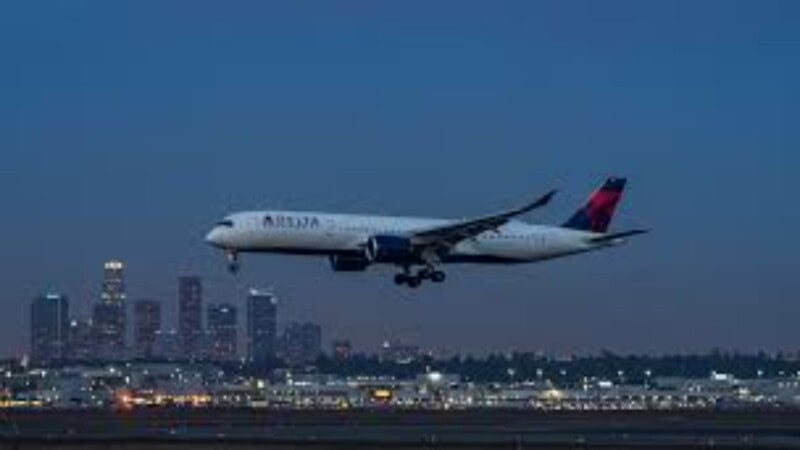
When Delta flight DL275 diverted LAX today, it sparked concern among travelers and aviation experts alike. What was supposed to be a long-haul journey from Detroit to Tokyo turned into an emergency landing at Los Angeles International Airport (LAX), but the incident goes beyond a simple detour. This $2.3 million event exposed how airline safety can benefit from smarter tech solutions.
Here’s a full breakdown of the event, what went wrong, and what this means for passengers and the future of air travel.
Quick Summary of Delta Flight DL275’s Diversion
-
Flight Route: Detroit Metropolitan Wayne County Airport (DTW) → Tokyo Haneda Airport (HND)
-
Aircraft: Airbus A350-900, registration N508DN
-
Diverted To: Los Angeles International Airport (LAX)
-
Reason: Engine anti-ice system failure
-
Time in Air: 12 hours and 15 minutes
-
Estimated Cost to Delta: $2.3 million
Timeline of the Emergency Diversion
Delta flight DL275 took off from DTW at 15:53 local time on May 27, 2025, already delayed due to a late inbound aircraft from Amsterdam. Passengers were expecting a smooth journey to Tokyo, but mid-flight over the North Pacific, the situation changed quickly.
While flying at 38,000 feet, about 620 nautical miles southwest of Anchorage, Alaska, pilots detected a malfunction in the Rolls-Royce Trent XWB engine’s anti-ice system. This issue posed serious risks to flight safety in icy upper-atmosphere conditions.
Delta’s crew acted fast. Rather than heading back to Detroit or risking continued flight to Japan, they made a well-informed decision to divert to LAX, where safety and logistical support were strongest.
Why LAX Was the Chosen Emergency Landing Spot
The selection of LAX wasn’t random. It was based on smart decision-making under pressure:
1. Technical Infrastructure
LAX is a major Delta hub and has certified facilities for Airbus A350 maintenance. It also houses 24/7 Rolls-Royce engine support and inventory for the Trent XWB, which made it the safest and most efficient place for repairs.
2. Passenger Convenience
With multiple daily flights from LAX to Tokyo, it became easier to rebook passengers or arrange for extended layovers at one of the world’s busiest international airports.
3. Emergency Readiness
LAX provided the long runway, favorable weather conditions, and on-site emergency services to handle the high-risk landing, especially important given the fuel load from such a long-haul flight.
By 01:08 AM on May 28, 2025, Delta flight DL275 diverted LAX and landed safely on Runway 06R, ending the stressful 12-hour and 15-minute journey.
How Technology Could Have Prevented This
This was not just a random failure. Aviation experts believe that advanced predictive analytics, powered by artificial intelligence, could have detected the fault in the anti-ice system 3 to 6 hours before takeoff.
Smart Tech in Action:
-
Real-time engine health monitoring could have identified irregularities in the Trent XWB’s anti-ice system.
-
AI-driven diagnostics would have alerted maintenance crews during pre-flight checks.
-
This data could have prevented the takeoff entirely, saving fuel, reducing risk, and avoiding disruption to over 300 passengers.
For Delta and other global carriers, this incident is a reminder that reactive maintenance is no longer enough. The future of safe air travel lies in proactive, tech-enabled monitoring.
What This Means for Travelers
Passengers flying Delta flights from Japan to Detroit today or those tracking LAX to DTW flight status today might experience schedule changes as Delta adjusts operations.
If you were booked on the same route:
-
Check your Delta app for live updates and rebooking options.
-
Expect possible delays or aircraft changes while N508DN is serviced at LAX.
-
Travelers with connecting flights may receive compensation or hotel vouchers, depending on airline policy.
Airline Response & Passenger Experience
Delta has not yet released a detailed public statement, but internal sources confirm that:
-
All passengers were safe, and no injuries were reported.
-
Flight attendants followed protocol smoothly, keeping passengers calm throughout the diversion.
-
Delta is working with Rolls-Royce engineers to determine the root cause and prevent future incidents.
Some passengers took to social media, sharing praise for the pilot’s professionalism and the crew’s communication during the unscheduled stop.
The Bigger Picture: Is This a Turning Point for Aviation Safety?
The Delta flight DL275 diverted to LAX today not only interrupted travel plans, it offered a real-life case study in how aviation safety is still evolving. While airlines have made major progress in technical reliability, failures like this are reminders of where improvements can still be made.
With aircraft becoming more complex and passenger expectations rising, AI-driven aviation technology isn’t just a trend, it’s a necessity. From detecting minor failures to suggesting better rerouting strategies, modern aviation must embrace smart systems that do more than react.
Stay Informed: What to Watch Next
Travelers watching the LAX to DTW flight status today or tracking other Delta flights from Japan to Detroit today can expect smoother flights as operations normalize.
Stay updated on:
-
Delta’s official maintenance reports
-
Any FAA investigations related to the engine failure
-
Potential upgrades to Delta’s predictive maintenance protocols
Looking for more insights on flight disruptions and airline safety? Explore other aviation breakdowns and tech-focused air travel stories right here on our site.
Final Thought:
The incident involving Delta flight DL275 diverted LAX proves that even top-tier aircraft and experienced crews face challenges in real-time. But with the right tools and tech, tomorrow’s flights can be not just safer, but smarter.
For related developments, read about how Delta Airlines fired an employee over a controversial post against Palestine.