
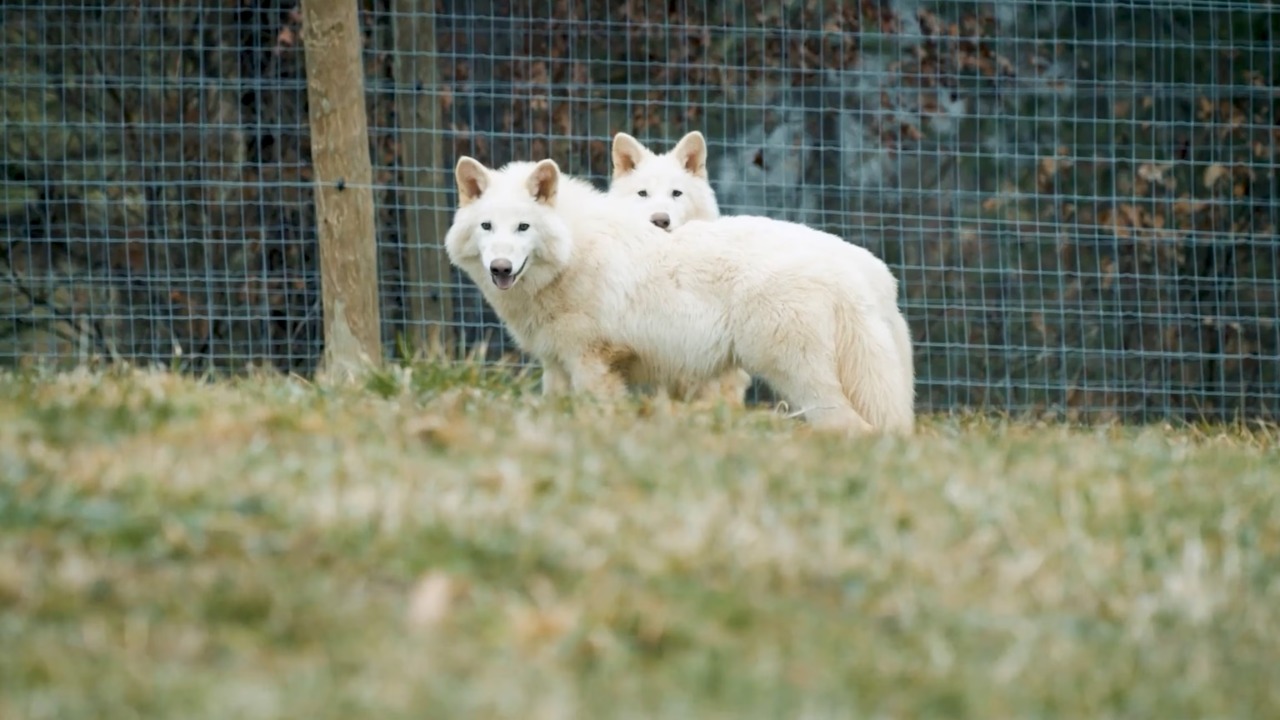


Dire Wolf Cloning: Elon Musk's Bold Move to Make Extinct Creatures His Pets
The idea of cloning extinct animals has fascinated humans for centuries. However, in recent years, the concept has become closer to reality. Thanks to advancements in genetic technology, companies like Colossal Biosciences are leading the charge in bringing back extinct species. One such species, the Dire Wolf, has captured the imagination of many, including tech mogul Elon Musk.
Musk, known for his futuristic vision, recently shared his excitement over the revival of the Dire Wolf. This animal, once extinct for over 10,000 years, is making a comeback thanks to Colossal Biosciences. The company is at the forefront of “de-extinction” and has already cloned three Dire Wolf pups. But that’s not all—Musk is now hoping to see the resurrection of another iconic species: the Woolly Mammoth.
In this blog, we’ll dive into Musk's fascination with Dire Wolf cloning, the science behind it, and what this means for the future of de-extinction. We’ll also explore how Musk’s bold move to make extinct creatures his pets could shape the world of biotechnology and conservation.
The Fascination with the Dire Wolf
The Dire Wolf is a prehistoric carnivore that roamed North America during the late Pleistocene. It is closely related to the modern gray wolf but was larger and more robust. Extinct for over 13,000 years, the Dire Wolf was made famous in popular culture through the hit HBO series Game of Thrones, where the Stark family’s sigil was a Dire Wolf.
Thanks to modern genetic technology, the Dire Wolf may no longer be confined to history books and fictional worlds. Colossal Biosciences, a biotech company focused on resurrecting extinct species, has successfully cloned three Dire Wolves. These pups—Romulus, Remus, and Khaleesi—are the first animals to be resurrected from extinction. Their birth marks a milestone in genetic engineering and de-extinction.
Elon Musk and Dire Wolf Cloning
Elon Musk, who is known for his ambitious ventures like Tesla and SpaceX, has shown a keen interest in the world of biotechnology. His fascination with the Dire Wolf started when Colossal Biosciences achieved the cloning feat. Musk shared an image of the Dire Wolf pups resting on the Iron Throne from Game of Thrones, showcasing his excitement for the species' return.
Musk’s connection to the Dire Wolf goes beyond just admiration. After the successful cloning of the first pups, he took to social media to make a bold request: “Please make a miniature pet woolly mammoth.” This tweet has sparked widespread interest and speculation about Musk's next big pet project.
But why is Musk so interested in resurrecting these ancient creatures? It likely stems from his interest in pushing the boundaries of what’s possible. Musk has always been about revolutionizing industries, whether it’s electric cars, space travel, or even internet connectivity. Now, he’s looking to do the same with extinct animals. By resurrecting species like the Dire Wolf and Woolly Mammoth, Musk aims to blend technology with conservation efforts and push the limits of genetic science.
The Science Behind Dire Wolf Cloning
The science behind cloning the Dire Wolf is complex. It involves extracting DNA from ancient remains and using cutting-edge CRISPR technology to manipulate the genetic code. Colossal Biosciences has perfected this technique, using DNA from preserved Dire Wolf fossils to create genetically engineered wolf pups.
While the clones look like real Dire Wolves, they are technically not the exact same animals that lived thousands of years ago. Scientists have been able to recreate key traits of the Dire Wolf, such as its size and appearance. However, some argue that reviving extinct species in this manner doesn’t fully restore them to their original forms. As one biologist noted, “All you can do now is make something look superficially like something else.”
Despite these concerns, the cloning of Dire Wolves marks a breakthrough in the field of genetic engineering and species revival. If successful, it could pave the way for the resurrection of other extinct species, including the Woolly Mammoth.
The Role of Colossal Biosciences
Colossal Biosciences is the company behind the cloning of the Dire Wolves. Founded by Ben Lamm and George Church, the company’s mission is to “de-extinct” species that have disappeared due to human activity. Colossal’s goal is to use genetic engineering to restore ecosystems that have been disrupted by the loss of key species.
In addition to the Dire Wolf, Colossal has been working on bringing back the Woolly Mammoth. Although the mammoth has not yet been successfully cloned, the company has made significant strides in this area, including the creation of genetically engineered woolly mice. This breakthrough is an essential step toward reviving the larger species.
Through their work, Colossal Biosciences is setting the stage for a new era of biotechnology and conservation. If they succeed, the resurrection of extinct animals could help restore ecosystems and combat biodiversity loss. However, it also raises ethical questions about whether humans should have the power to bring back species that were long gone.
What’s Next for Musk and Colossal?
With the Dire Wolf now making a return, Elon Musk is eager to see more progress in the field of de-extinction. He has already made his desire clear: he wants a miniature pet Woolly Mammoth. While this may sound like something out of a science fiction movie, Musk’s influence in the tech world means his requests could turn into reality sooner than expected.
The potential for de-extinction is vast, and Musk’s involvement in the process only adds to the excitement. As Colossal Biosciences continues its work, we may see even more creatures brought back from the brink of extinction. Whether it’s the mighty Woolly Mammoth or other long-lost species, the future of de-extinction could change the way we view the natural world.
Conclusion
The cloning of the Dire Wolf is a groundbreaking achievement in biotechnology, and Elon Musk’s involvement in this project only adds to its allure. By pushing the boundaries of science, Musk and Colossal Biosciences are setting the stage for a future where extinct species may roam the Earth once again. While there are many questions surrounding the ethical implications of such projects, one thing is certain: the world of de-extinction is here to stay.
As Musk continues to push for the return of the Woolly Mammoth and other species, we can only imagine what the future holds. One thing is for sure: the days of extinct creatures existing only in our imaginations may soon be over.
For more fascinating updates on tech and science, check out our latest article on Starlink’s PTA approval and whether it’s within reach for most users: Starlink gets PTA approval... but you might not be able to afford it.
'%3e%3crect%20y='0.445312'%20width='48'%20height='48'%20rx='24'%20fill='white'%20fill-opacity='0.5'/%3e%3crect%20x='0.5'%20y='0.945312'%20width='47'%20height='47'%20rx='23.5'%20stroke='%23808080'/%3e%3cpath%20d='M34.625%2024.4453L14%2024.4453'%20stroke='%23808080'%20stroke-width='0.920053'/%3e%3cpath%20d='M23.375%2034.4453L13.375%2024.4453L23.375%2014.4453'%20stroke='%23808080'%20stroke-width='0.920053'/%3e%3c/g%3e%3cdefs%3e%3cfilter%20id='filter0_b_489_44344'%20x='-12'%20y='-11.5547'%20width='72'%20height='72'%20filterUnits='userSpaceOnUse'%20color-interpolation-filters='sRGB'%3e%3cfeFlood%20flood-opacity='0'%20result='BackgroundImageFix'/%3e%3cfeGaussianBlur%20in='BackgroundImageFix'%20stdDeviation='6'/%3e%3cfeComposite%20in2='SourceAlpha'%20operator='in'%20result='effect1_backgroundBlur_489_44344'/%3e%3cfeBlend%20mode='normal'%20in='SourceGraphic'%20in2='effect1_backgroundBlur_489_44344'%20result='shape'/%3e%3c/filter%3e%3c/defs%3e%3c/svg%3e)
'%3e%3crect%20y='0.445312'%20width='48'%20height='48'%20rx='24'%20fill='white'%20fill-opacity='0.5'/%3e%3crect%20x='0.5'%20y='0.945312'%20width='47'%20height='47'%20rx='23.5'%20stroke='%23808080'/%3e%3cpath%20d='M13.375%2024.4453L34%2024.4453'%20stroke='%23808080'%20stroke-width='0.920053'/%3e%3cpath%20d='M24.625%2014.4453L34.625%2024.4453L24.625%2034.4453'%20stroke='%23808080'%20stroke-width='0.920053'/%3e%3c/g%3e%3cdefs%3e%3cfilter%20id='filter0_b_489_44344'%20x='-12'%20y='-11.5547'%20width='72'%20height='72'%20filterUnits='userSpaceOnUse'%20color-interpolation-filters='sRGB'%3e%3cfeFlood%20flood-opacity='0'%20result='BackgroundImageFix'/%3e%3cfeGaussianBlur%20in='BackgroundImageFix'%20stdDeviation='6'/%3e%3cfeComposite%20in2='SourceAlpha'%20operator='in'%20result='effect1_backgroundBlur_489_44344'/%3e%3cfeBlend%20mode='normal'%20in='SourceGraphic'%20in2='effect1_backgroundBlur_489_44344'%20result='shape'/%3e%3c/filter%3e%3c/defs%3e%3c/svg%3e)