


DTF vs. DTG Printers: Which is Right for Your Business?
In the rapidly growing custom apparel industry, choosing the right printing technology is one of the most crucial decisions for long-term success. With rising demand for personalized T-shirts, hoodies, and other garments, entrepreneurs and print shop owners must carefully compare the available printing methods. Among the most popular options today are the DTF printer and the DTG printer.
Both technologies have transformed the way businesses approach textile printing, but they differ significantly in process, cost, quality, and scalability. This article will help you understand the differences, strengths, and limitations of DTF and DTG printing, so you can make an informed decision about which one is best suited for your business model.
What is DTF Printing?
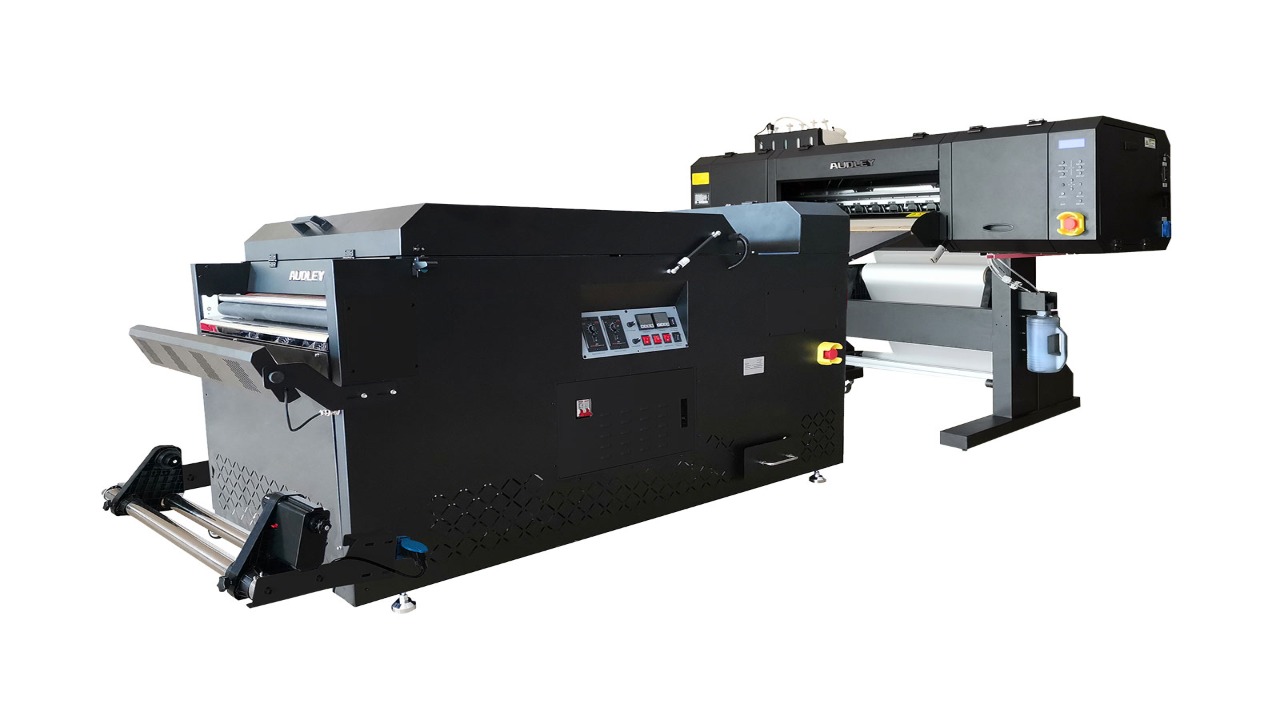
DTF (Direct-to-Film) printing is a relatively new but fast-growing method in the apparel industry. The process involves printing designs onto a special PET film, applying a hot-melt adhesive powder, and then transferring the design onto fabric using a heat press.
Key Benefits of DTF Printing:
-
Versatility: Works on a wide range of fabrics including cotton, polyester, blends, and even non-textile materials like leather.
-
Durability: DTF prints are highly resistant to washing and cracking.
-
Vibrant Colors: Produces sharp, eye-catching designs with a soft feel.
-
Low Entry Barrier: The cost of setup is lower than many other industrial printing solutions.
For businesses looking to serve multiple markets and offer a variety of fabric options, DTF can be a game-changer.
What is DTG Printing?
DTG (Direct-to-Garment) printing is a more established method where designs are printed directly onto the garment using specialized inkjet technology. It is particularly effective for high-resolution, full-color prints.
Key Benefits of DTG Printing:
-
High Detail: Produces photo-quality results with smooth gradients.
-
Eco-Friendly: Uses water-based inks that are less harmful to the environment.
-
Great for Small Orders: Perfect for one-off customizations or short runs.
-
Soft Finish: The print feels light and blends well with the fabric.
DTG is widely used by businesses focusing on high-quality fashion items or print-on-demand services where design complexity is a selling point.
DTF vs. DTG: Head-to-Head Comparison
1. Fabric Compatibility
-
DTF Printing: Can be applied to cotton, polyester, blends, silk, and more. This flexibility is one of its biggest advantages.
-
DTG Printing: Works best on 100% cotton or high-cotton blends, limiting versatility.
2. Print Durability
-
DTF: Prints are resistant to stretching, fading, and multiple washes.
-
DTG: Offers good durability but may fade faster on some fabrics.
3. Color Quality & Detail
-
DTF: Bright and bold colors with strong opacity, even on dark fabrics.
-
DTG: Exceptional for detailed images, photo prints, and gradient-heavy designs.
4. Production Speed
-
DTF: Faster for bulk production since transfers can be prepared in advance.
-
DTG: Slower for large batches but efficient for one-offs and small runs.
5. Cost Efficiency
-
DTF: Lower initial cost, cheaper consumables, and suitable for scaling.
-
DTG: Higher equipment investment and ink costs, but justifiable for premium pricing.
Which One Should You Choose?
The right choice depends entirely on your business goals:
-
If you want maximum fabric versatility, durability, and scalability, investing in a DTF solution is often the smarter choice. It gives you the flexibility to serve multiple markets without being limited by fabric type.
-
If your business focuses on short runs, detailed designs, or premium fashion items, a DTG printer may align better with your needs, despite the higher setup costs.
For many entrepreneurs, the decision comes down to market demand. For example, streetwear and bulk uniform businesses may lean toward DTF, while boutique apparel brands or online print-on-demand stores may find DTG more profitable.
The Future of Custom Apparel Printing:
Both DTF and DTG are here to stay, each catering to different niches in the industry. What’s interesting is how many print shops are now using both technologies in tandem—DTG for intricate, one-off prints and DTF for bulk, versatile projects. This hybrid approach allows businesses to maximize efficiency and customer satisfaction.
As technology continues to evolve, we can expect more innovations that blend the strengths of both methods. For now, however, the decision lies in understanding your market, budget, and long-term vision.
Final Thoughts:
When weighing DTF vs. DTG printers, there is no one-size-fits-all answer. Both offer unique advantages that can fuel business growth. The key is aligning your choice with your customer base and production goals.
If you’re just entering the industry and need flexibility with fabrics and durability, a DTF setup may be the best route. On the other hand, if your focus is on high-resolution fashion prints and you can accommodate higher upfront costs, DTG could be the ideal choice.
By understanding these differences, you’ll be equipped to invest wisely and build a printing business that not only meets current demand but also adapts to future opportunities.
Read More: Noushin Faraji Net Worth, Biography & Career
'%3e%3crect%20y='0.445312'%20width='48'%20height='48'%20rx='24'%20fill='white'%20fill-opacity='0.5'/%3e%3crect%20x='0.5'%20y='0.945312'%20width='47'%20height='47'%20rx='23.5'%20stroke='%23808080'/%3e%3cpath%20d='M34.625%2024.4453L14%2024.4453'%20stroke='%23808080'%20stroke-width='0.920053'/%3e%3cpath%20d='M23.375%2034.4453L13.375%2024.4453L23.375%2014.4453'%20stroke='%23808080'%20stroke-width='0.920053'/%3e%3c/g%3e%3cdefs%3e%3cfilter%20id='filter0_b_489_44344'%20x='-12'%20y='-11.5547'%20width='72'%20height='72'%20filterUnits='userSpaceOnUse'%20color-interpolation-filters='sRGB'%3e%3cfeFlood%20flood-opacity='0'%20result='BackgroundImageFix'/%3e%3cfeGaussianBlur%20in='BackgroundImageFix'%20stdDeviation='6'/%3e%3cfeComposite%20in2='SourceAlpha'%20operator='in'%20result='effect1_backgroundBlur_489_44344'/%3e%3cfeBlend%20mode='normal'%20in='SourceGraphic'%20in2='effect1_backgroundBlur_489_44344'%20result='shape'/%3e%3c/filter%3e%3c/defs%3e%3c/svg%3e)
'%3e%3crect%20y='0.445312'%20width='48'%20height='48'%20rx='24'%20fill='white'%20fill-opacity='0.5'/%3e%3crect%20x='0.5'%20y='0.945312'%20width='47'%20height='47'%20rx='23.5'%20stroke='%23808080'/%3e%3cpath%20d='M13.375%2024.4453L34%2024.4453'%20stroke='%23808080'%20stroke-width='0.920053'/%3e%3cpath%20d='M24.625%2014.4453L34.625%2024.4453L24.625%2034.4453'%20stroke='%23808080'%20stroke-width='0.920053'/%3e%3c/g%3e%3cdefs%3e%3cfilter%20id='filter0_b_489_44344'%20x='-12'%20y='-11.5547'%20width='72'%20height='72'%20filterUnits='userSpaceOnUse'%20color-interpolation-filters='sRGB'%3e%3cfeFlood%20flood-opacity='0'%20result='BackgroundImageFix'/%3e%3cfeGaussianBlur%20in='BackgroundImageFix'%20stdDeviation='6'/%3e%3cfeComposite%20in2='SourceAlpha'%20operator='in'%20result='effect1_backgroundBlur_489_44344'/%3e%3cfeBlend%20mode='normal'%20in='SourceGraphic'%20in2='effect1_backgroundBlur_489_44344'%20result='shape'/%3e%3c/filter%3e%3c/defs%3e%3c/svg%3e)