
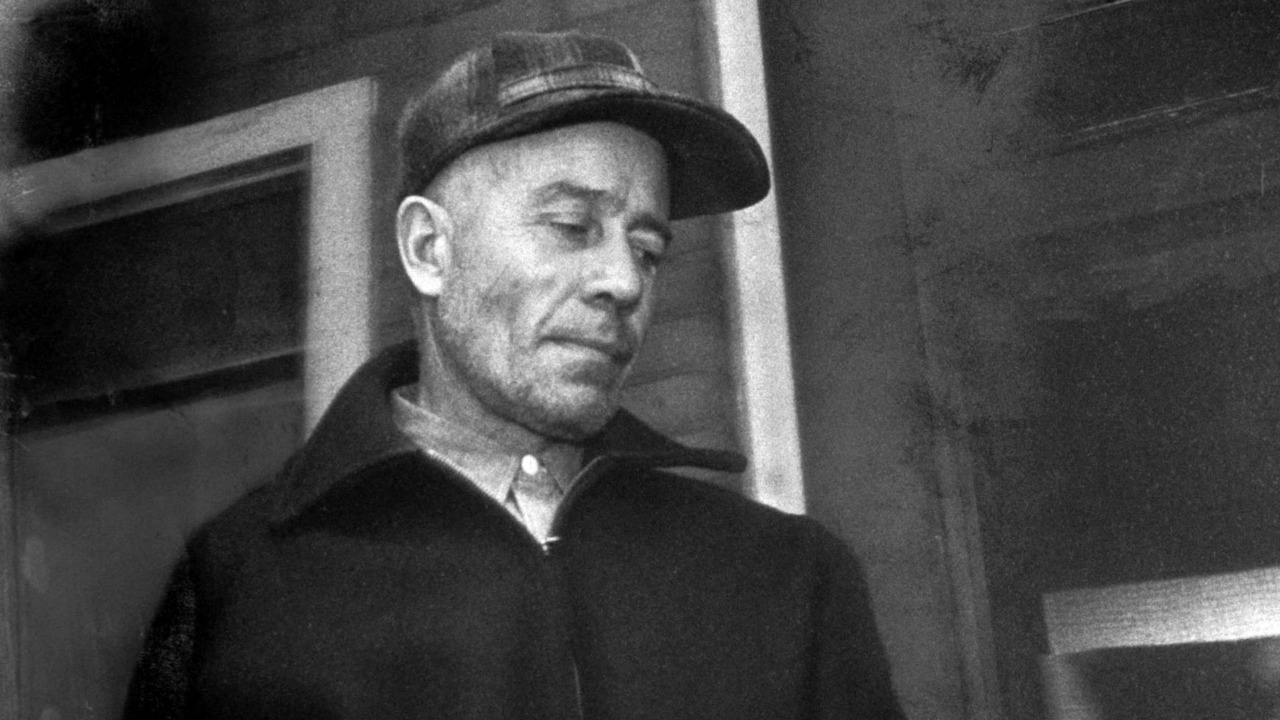


Ed Gein: The 'Butcher of Plainfield' Who Haunted America's Heartland
Edward Theodore Gein, commonly known as Ed Gein, has long been a figure of morbid fascination due to his gruesome crimes in the 1950s. His macabre actions not only shocked the small town of Plainfield, Wisconsin but also left an indelible mark on popular culture, inspiring numerous films and literature. In recent developments, Gein's story is set to reach new audiences through Netflix's upcoming third season of the anthology series "Monster," with actor Charlie Hunnam portraying the infamous killer.
The Infamous Crimes of Ed Gein
Born on August 27, 1906, in La Crosse, Wisconsin, Ed Gein led a reclusive life under the strict supervision of his mother, Augusta Gein. Her puritanical and domineering nature profoundly influenced Gein's psyche, fostering an unhealthy obsession with her. After her death in 1945, Gein's mental state deteriorated, leading him down a path of grave robbing and murder.
Gein's heinous activities came to light in 1957 following the disappearance of local hardware store owner Bernice Worden. Upon investigating Gein's residence, authorities discovered a house of horrors: human body parts fashioned into household items, masks made of human skin, and other grotesque artifacts. Further investigations revealed that Gein had exhumed corpses from local graveyards and murdered two women, including Worden and tavern owner Mary Hogan. Declared legally insane, Gein spent the remainder of his life in psychiatric institutions until he died in 1984.
Ed Gein's Lasting Impact on Popular Culture
The grotesque nature of Gein's crimes has profoundly influenced the horror genre. His actions served as inspiration for several iconic fictional characters:
Norman Bates in "Psycho"
Robert Bloch's 1959 novel "Psycho," later adapted into Alfred Hitchcock's classic film, drew heavily from Gein's life, particularly his unhealthy attachment to his mother.
Leatherface in "The Texas Chain Saw Massacre"
The character's penchant for wearing masks made of human skin mirrors Gein's morbid practices.
Buffalo Bill in "The Silence of the Lambs"
This character's obsession with crafting a "woman suit" from human skin parallels Gein's documented attempts to create a suit resembling his deceased mother.
These portrayals underscore the chilling legacy of Gein's crimes and their enduring influence on storytelling within the horror genre.
Netflix's "Monster" Series: Revisiting Gein's Story
In a bid to delve deeper into the psyche of notorious criminals, Netflix's anthology series "Monster," created by Ryan Murphy, has announced its third season will focus on Ed Gein. Charlie Hunnam, renowned for his role in "Sons of Anarchy," is set to portray Gein, marking a significant departure from his previous roles. The casting of Hunnam has generated considerable buzz, especially after images surfaced of his transformation into the unrecognizable visage of Gein, complete with a 1950s-inspired look.
The series aims to explore not only the gruesome details of Gein's crimes but also the psychological and environmental factors that contributed to his descent into madness. Laurie Metcalf has been cast as Augusta Gein, Ed's domineering mother, whose influence is pivotal in understanding his disturbed psyche. Additionally, Tom Hollander and Olivia Williams are set to portray Alfred Hitchcock and his wife, Alma Reville, respectively, potentially highlighting the cultural impact of Gein's crimes on cinema.
Filming commenced in October 2024 in Los Angeles, with the production recreating the eerie ambiance of 1950s Plainfield. Despite facing criticism in previous seasons for potentially re-traumatizing victims' families, the "Monster" series continues to attract significant viewership, indicating a persistent public interest in true crime narratives. The release date for this season has yet to be announced, but anticipation is building as audiences await a fresh perspective on Gein's chilling story.
Ethical Considerations in Retelling Gein's Story
The resurgence of interest in Ed Gein's life through media adaptations raises important ethical questions. While such portrayals can offer insights into the minds of criminals and serve as cautionary tales, they also risk sensationalizing real-life tragedies and causing distress to the victims' families. Creators must balance storytelling with sensitivity, ensuring that the narratives do not glorify the perpetrators but instead honor the memories of the victims and provide thoughtful commentary on the societal factors contributing to such crimes.
The Allure of True Crime
True crime has become a pervasive genre in modern media, captivating audiences with its exploration of real-life criminal cases. This fascination often stems from a desire to understand the darker facets of human behavior and the psychological underpinnings of notorious criminals. However, this intrigue can lead to ethical dilemmas when the line between informative storytelling and sensationalism becomes blurred.
Potential for Re-Traumatization
One significant concern is the potential re-traumatization of victims' families. Revisiting gruesome events can force survivors and relatives to relive their most painful experiences, especially when these stories are dramatized without their consent. The commodification of such tragedies for entertainment purposes can be perceived as exploitative, disregarding the enduring impact on those directly affected. As noted by Danielle Rousseau, true crime media can border on glorifying criminals, leading to the re-traumatization of victims and their families.
Glorification of Perpetrators
Media portrayals that focus heavily on the perpetrators risk glorifying their actions, inadvertently turning criminals into anti-heroes or cult figures. This phenomenon can desensitize audiences to the severity of the crimes and overshadow the suffering of the victims. The romanticization of serial killers in true crime entertainment raises ethical dilemmas, as it can lead to the trivialization of their harmful actions.
Balancing Storytelling with Sensitivity
To navigate these ethical challenges, creators should prioritize sensitivity and accuracy in their storytelling. This involves obtaining consent from victims' families, portraying events truthfully without unnecessary dramatization, and focusing on the broader societal issues that contribute to such crimes. By doing so, media can educate audiences and foster empathy without exploiting real-life tragedies.
Conclusion
Ed Gein's gruesome actions have left an indelible mark on both history and popular culture. As new adaptations like Netflix's "Monster" seek to retell his story, they offer an opportunity to reflect on the complexities of human psychology, the impact of upbringing, and the societal fascination with true crime. However, it's imperative that these retellings approach the subject matter with the necessary ethical considerations, ensuring that the focus remains on understanding and preventing such horrors rather than merely sensationalizing them.
Read Also: Guy Fieri: The Culinary Rockstar of American Cuisine
'%3e%3crect%20y='0.445312'%20width='48'%20height='48'%20rx='24'%20fill='white'%20fill-opacity='0.5'/%3e%3crect%20x='0.5'%20y='0.945312'%20width='47'%20height='47'%20rx='23.5'%20stroke='%23808080'/%3e%3cpath%20d='M34.625%2024.4453L14%2024.4453'%20stroke='%23808080'%20stroke-width='0.920053'/%3e%3cpath%20d='M23.375%2034.4453L13.375%2024.4453L23.375%2014.4453'%20stroke='%23808080'%20stroke-width='0.920053'/%3e%3c/g%3e%3cdefs%3e%3cfilter%20id='filter0_b_489_44344'%20x='-12'%20y='-11.5547'%20width='72'%20height='72'%20filterUnits='userSpaceOnUse'%20color-interpolation-filters='sRGB'%3e%3cfeFlood%20flood-opacity='0'%20result='BackgroundImageFix'/%3e%3cfeGaussianBlur%20in='BackgroundImageFix'%20stdDeviation='6'/%3e%3cfeComposite%20in2='SourceAlpha'%20operator='in'%20result='effect1_backgroundBlur_489_44344'/%3e%3cfeBlend%20mode='normal'%20in='SourceGraphic'%20in2='effect1_backgroundBlur_489_44344'%20result='shape'/%3e%3c/filter%3e%3c/defs%3e%3c/svg%3e)
'%3e%3crect%20y='0.445312'%20width='48'%20height='48'%20rx='24'%20fill='white'%20fill-opacity='0.5'/%3e%3crect%20x='0.5'%20y='0.945312'%20width='47'%20height='47'%20rx='23.5'%20stroke='%23808080'/%3e%3cpath%20d='M13.375%2024.4453L34%2024.4453'%20stroke='%23808080'%20stroke-width='0.920053'/%3e%3cpath%20d='M24.625%2014.4453L34.625%2024.4453L24.625%2034.4453'%20stroke='%23808080'%20stroke-width='0.920053'/%3e%3c/g%3e%3cdefs%3e%3cfilter%20id='filter0_b_489_44344'%20x='-12'%20y='-11.5547'%20width='72'%20height='72'%20filterUnits='userSpaceOnUse'%20color-interpolation-filters='sRGB'%3e%3cfeFlood%20flood-opacity='0'%20result='BackgroundImageFix'/%3e%3cfeGaussianBlur%20in='BackgroundImageFix'%20stdDeviation='6'/%3e%3cfeComposite%20in2='SourceAlpha'%20operator='in'%20result='effect1_backgroundBlur_489_44344'/%3e%3cfeBlend%20mode='normal'%20in='SourceGraphic'%20in2='effect1_backgroundBlur_489_44344'%20result='shape'/%3e%3c/filter%3e%3c/defs%3e%3c/svg%3e)