
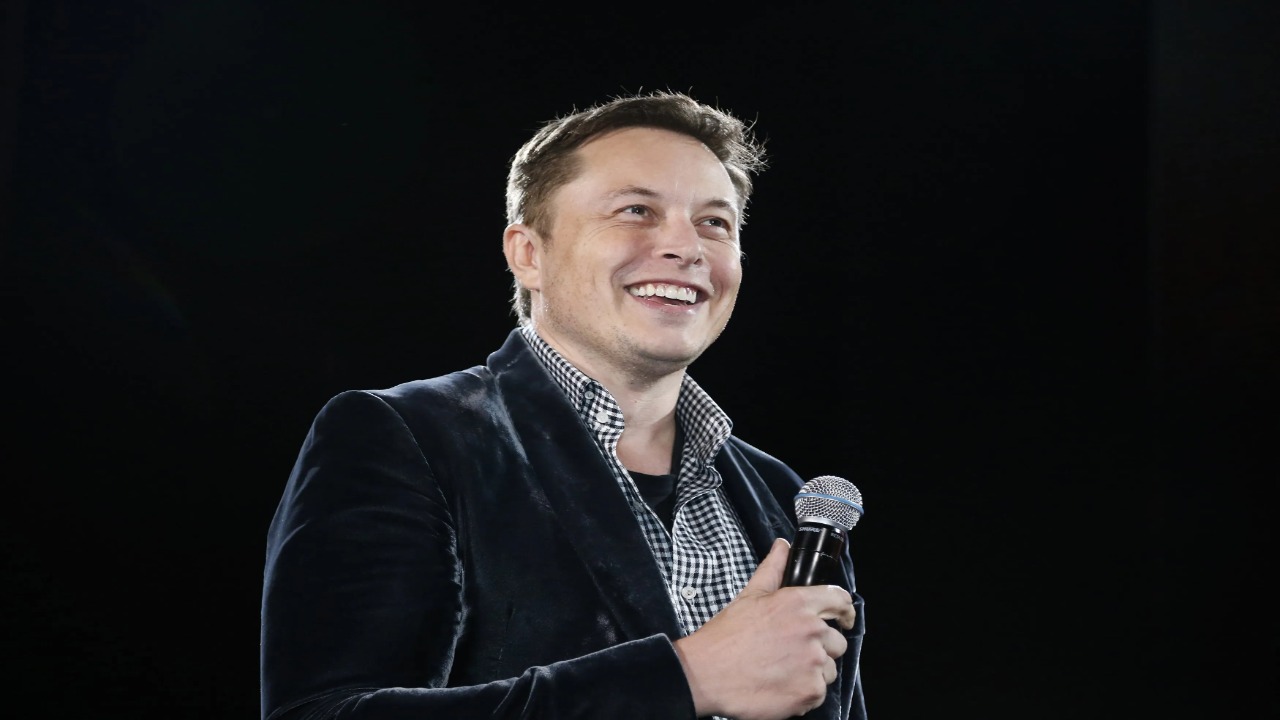


Elon Musk’s Role in Reshaping Government Efficiency Through DOGE
Elon Musk, the CEO of SpaceX and Tesla, has long been a name synonymous with innovation. From pushing the boundaries of space exploration to revolutionizing the electric vehicle industry, Musk’s disruptive approach has made waves across several sectors. But his recent work in collaboration with former President Donald Trump is reshaping another critical aspect of the United States the federal government itself through a bold initiative dubbed the Department of Government Efficiency (DOGE).
The Ovation in the Oval Office
Earlier this week, Musk stood alongside Trump in the Oval Office to defend and elaborate on DOGE's sweeping reforms designed to combat wasteful government spending. The two leaders described their efforts as nothing short of revolutionary. Musk, adopting his trademark pragmatic demeanour, emphasized that DOGE's objective is to align government operations with principles of efficiency, accountability, and sustainability—hallmarks of Musk’s business ethos.
President Trump, meanwhile, stated explicitly that DOGE has already uncovered “billions and billions of dollars in waste, fraud, and abuse.” He alluded to a potentially massive savings figure reported to be “close to a trillion dollars.” However, the event became a lightning rod for critics who questioned both the methodology used to arrive at these estimations and the long-term implications for the targeted cuts.
A Vision to Streamline Government
At its core, DOGE aims to slim down what Musk and Trump see as a bloated bureaucracy by implementing new rules for hiring and workforce reductions. The executive order signed by Trump mandates that government agencies hire only one individual for every four employees who leave. This directive has triggered widespread concern among federal employees about potential job losses and the future of vital agencies such as the U.S. Agency for International Development (USAID).
While the guidance exempts military personnel and roles deemed essential for national security, it is unclear how agencies that play a critical role in health, education, or international relief efforts will be impacted. Musk and Trump argue that these measures are essential for removing inefficiencies, but legal challenges and internal pushback suggest that the initiative’s execution will not come without hurdles.
Critics Concerned About Oversight and Ethics
DOGE’s sweeping scope has not gone unnoticed by critics who highlight issues of transparency and ethical governance. Democratic legislators and watchdog groups have scrutinized Musk’s influence, citing potential conflicts of interest given his companies’ contracts with government agencies.
Elon Musk, however, downplayed these concerns during the Oval Office press conference, asserting that DOGE prioritizes transparency above all else. Musk noted that “all DOGE actions are posted online,” and added that any conflict of interest should be reviewed at the level of individual transactions. This argument, however, has not quelled fears about the centralization of control or the potential undermining of checks and balances within the federal system.
Legal Challenges and Workforce Uncertainty
DOGE’s initiatives have already faced numerous legal challenges in federal courts—leading to blocked access to sensitive Treasury Department materials and other restrictions. A Rhode Island federal judge this week confirmed that DOGE had failed to comply with an order regarding the suspension of grants and federal program payments. These rulings reflect a growing tension between the administration’s ambitions and the judiciary's oversight.
Additionally, government employees have expressed growing concerns about their job security. The guidelines provided to federal agencies to “prepare for large-scale reductions in force” and impose stringent hiring measures paint a grim picture for thousands of workers. For labour unions and advocacy groups, this signals a seismic policy shift that could undermine the functionality of several core institutions.
Musk at the Helm
Adopting an air of confidence in line with his persona, Musk appeared unphased by criticism about concentrating too much authority in his hands. Flanked by Trump and standing sartorially on-brand in a trench coat and a “Make America Great Again” hat, Musk declared, “The people voted for major government reform, and that’s what they’re going to get.”
Indeed, Musk’s language reveals an alignment with Trump’s populist tone, further cementing Musk’s unusual role as both a tech entrepreneur with private interests and a central figure in governmental reform.
Implications for the Broader Economy
DOGE’s wide-reaching reforms extend beyond employment cuts they also have ramifications for external players dependent on federal programs. For instance, USAID often hailed as a lifeline for countries in distress has already reported significant disruptions to its operations, sparking alarm both at home and abroad. From Afghanistan’s ongoing food shortages exacerbated by the reduction in aid to delayed payments for domestic institutional grants, the ripples of DOGE are being felt globally.
With legal battles mounting and employees bracing for an uncertain future, the DOGE initiative walks a precarious line between visionary ambition and reckless overhaul. It highlights the tensions that can arise when the private sector’s principles are imposed upon public governance. For now, Elon Musk’s DOGE represents the cutting-edge controversy in both technology and politics, leaving both supporters and sceptics on high alert.
As the program progresses, one thing remains clear Elon Musk continues to set the stage for debates that will define not just industries but governments for years to come.
Read Also: Marc Fogel’s Release from Russian Prison: A Detailed Overview
'%3e%3crect%20y='0.445312'%20width='48'%20height='48'%20rx='24'%20fill='white'%20fill-opacity='0.5'/%3e%3crect%20x='0.5'%20y='0.945312'%20width='47'%20height='47'%20rx='23.5'%20stroke='%23808080'/%3e%3cpath%20d='M34.625%2024.4453L14%2024.4453'%20stroke='%23808080'%20stroke-width='0.920053'/%3e%3cpath%20d='M23.375%2034.4453L13.375%2024.4453L23.375%2014.4453'%20stroke='%23808080'%20stroke-width='0.920053'/%3e%3c/g%3e%3cdefs%3e%3cfilter%20id='filter0_b_489_44344'%20x='-12'%20y='-11.5547'%20width='72'%20height='72'%20filterUnits='userSpaceOnUse'%20color-interpolation-filters='sRGB'%3e%3cfeFlood%20flood-opacity='0'%20result='BackgroundImageFix'/%3e%3cfeGaussianBlur%20in='BackgroundImageFix'%20stdDeviation='6'/%3e%3cfeComposite%20in2='SourceAlpha'%20operator='in'%20result='effect1_backgroundBlur_489_44344'/%3e%3cfeBlend%20mode='normal'%20in='SourceGraphic'%20in2='effect1_backgroundBlur_489_44344'%20result='shape'/%3e%3c/filter%3e%3c/defs%3e%3c/svg%3e)
'%3e%3crect%20y='0.445312'%20width='48'%20height='48'%20rx='24'%20fill='white'%20fill-opacity='0.5'/%3e%3crect%20x='0.5'%20y='0.945312'%20width='47'%20height='47'%20rx='23.5'%20stroke='%23808080'/%3e%3cpath%20d='M13.375%2024.4453L34%2024.4453'%20stroke='%23808080'%20stroke-width='0.920053'/%3e%3cpath%20d='M24.625%2014.4453L34.625%2024.4453L24.625%2034.4453'%20stroke='%23808080'%20stroke-width='0.920053'/%3e%3c/g%3e%3cdefs%3e%3cfilter%20id='filter0_b_489_44344'%20x='-12'%20y='-11.5547'%20width='72'%20height='72'%20filterUnits='userSpaceOnUse'%20color-interpolation-filters='sRGB'%3e%3cfeFlood%20flood-opacity='0'%20result='BackgroundImageFix'/%3e%3cfeGaussianBlur%20in='BackgroundImageFix'%20stdDeviation='6'/%3e%3cfeComposite%20in2='SourceAlpha'%20operator='in'%20result='effect1_backgroundBlur_489_44344'/%3e%3cfeBlend%20mode='normal'%20in='SourceGraphic'%20in2='effect1_backgroundBlur_489_44344'%20result='shape'/%3e%3c/filter%3e%3c/defs%3e%3c/svg%3e)