
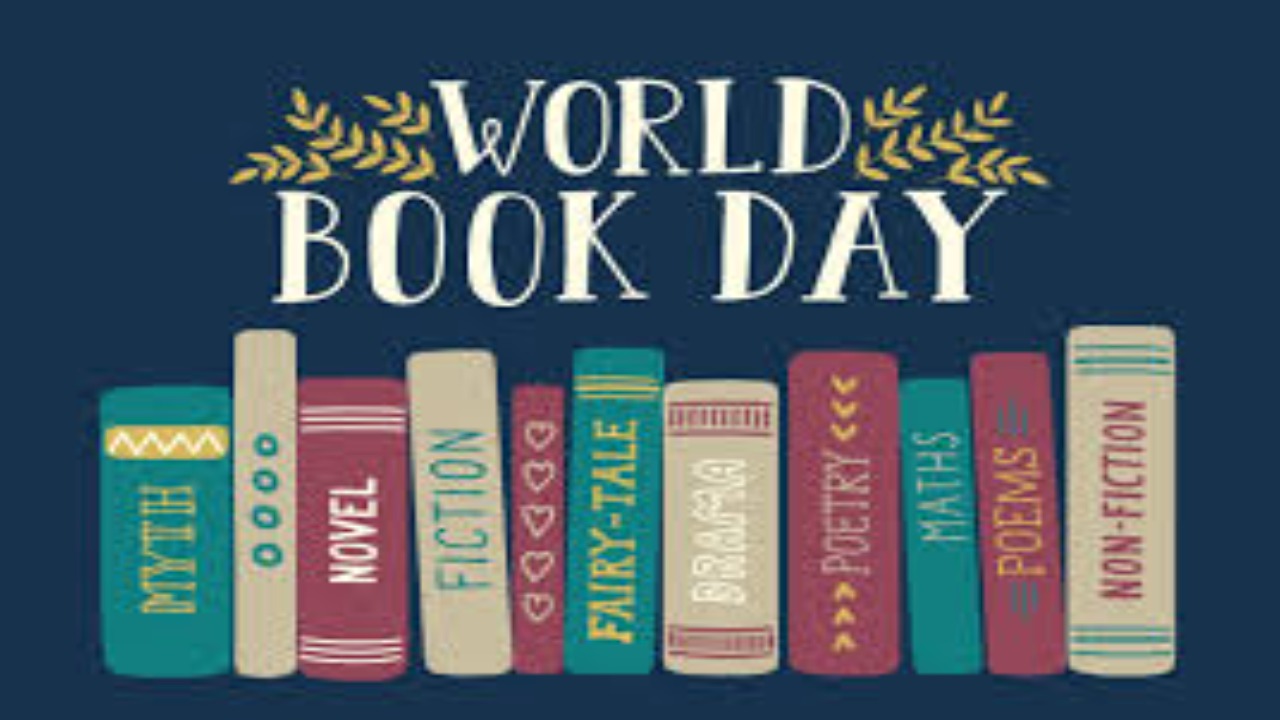


Everything You Need to Know About World Book Day 2025
World Book Day 2025 is more than just a celebration of books. It’s a global event that honors authors, promotes reading, and raises awareness about the importance of literature and copyright. Celebrated annually on April 23, World Book Day unites millions of readers across cultures, languages, and generations.
This year, the theme is especially meaningful:
“The role of literature in achieving the Sustainable Development Goals (SDGs).”
The theme reminds us that books aren’t just stories — they are powerful tools for education, awareness, and change.
In this blog, we explore everything you need to know about World Book Day 2025 — from its origins and goals to how it is celebrated around the world.
What is World Book Day?
World Book Day, also known as World Book and Copyright Day or the International Day of the Book, is a global event organized by the United Nations Educational, Scientific and Cultural Organization (UNESCO). It was established in 1995 to promote reading, publishing, and the protection of intellectual property through copyright.
The purpose of the day is simple but profound:
-
Encourage people, especially children and youth, to develop a habit of reading.
-
Support writers and publishers.
-
Raise awareness about the importance of copyright.
-
Celebrate books as a bridge between generations, cultures, and ideas.
Books help us understand the world and each other. They bring knowledge, comfort, imagination, and inspiration. Through stories, we learn about empathy, culture, diversity, and values.
Why is World Book Day Celebrated on April 23?
The choice of April 23 is deeply symbolic. It marks the death anniversaries of some of the most influential literary icons in history:
-
William Shakespeare (England)
-
Miguel de Cervantes (Spain)
-
Inca Garcilaso de la Vega (Peru/Spain)
These authors changed the world with their words. Their contributions to literature continue to inspire millions of readers and writers today. Celebrating World Book Day on this date honors their legacy and the timeless impact of books.
World Book Day 2025 Theme: Literature and the SDGs
The theme for World Book Day 2025 is “The role of literature in achieving the Sustainable Development Goals (SDGs).”
This theme highlights how books and storytelling play a crucial role in promoting awareness of global issues and inspiring positive action. The SDGs, adopted by the United Nations in 2015, are 17 goals aimed at ending poverty, reducing inequality, promoting education, and protecting the planet by 2030.
Literature is a powerful tool that can support these goals in many ways:
-
Education: Books are essential for learning. They build literacy and promote lifelong education.
-
Climate Action: Environmental books raise awareness about climate change and sustainability.
-
Health & Well-being: Literature can inform and destigmatize issues like mental health and disease prevention.
-
Gender Equality: Stories that feature strong female leads and address gender bias promote equality and empowerment.
-
Peace & Justice: Books promote peace by encouraging tolerance, inclusion, and respect for human rights.
Books do more than entertain — they inform, transform, and inspire readers to make a difference.
Objectives of World Book Day
World Book Day has several key objectives that align with both cultural and developmental goals:
-
Promote Reading for Pleasure: Reading is one of the most effective ways to build knowledge, vocabulary, and empathy. World Book Day encourages reading as a joyful, enriching habit.
-
Support Literacy and Education: In many parts of the world, access to books remains limited. This day promotes initiatives to make books available to more people, especially in underprivileged areas.
-
Celebrate Diversity and Culture: Books reflect different languages, experiences, and perspectives. World Book Day celebrates multilingualism and cultural richness through literature.
-
Protect Copyright and Intellectual Property: Authors, illustrators, and publishers rely on copyright laws to earn a living. World Book Day raises awareness about respecting creative rights and supporting the people behind the pages.
How is World Book Day Celebrated?
World Book Day is celebrated in over 100 countries with events that highlight the power of books and reading. These celebrations are often community-driven and accessible to all.
Common Celebratory Activities Include:
-
Book Fairs: Local and international book fairs are organized to promote reading and showcase new publications.
-
Author Readings: Writers and poets hold sessions to read their work and engage with readers.
-
School Events: Children dress up as characters from their favorite books, participate in reading challenges, and receive free books.
-
Library Campaigns: Libraries extend memberships, organize book donation drives, and host storytelling hours.
-
Writing and Art Competitions: Contests encourage creative expression and literacy engagement.
-
Digital Campaigns: Online events, book clubs, and live sessions reach global audiences through social media.
Many governments and organizations distribute free or discounted books to schools and communities to foster a love for reading.
Copyright and Its Role on World Book Day
World Book Day is also about protecting the creative work of authors. Copyright laws are vital for the literary industry. They ensure that authors, publishers, illustrators, and editors receive proper credit and compensation.
Without copyright, writers would lose the rights to their creations. This would discourage creativity and harm the book industry. On this day, UNESCO and its partners emphasize the need to understand and respect intellectual property rights.
Books and the SDGs: Building a Better World
In line with the 2025 theme, books can be key drivers of change. Stories make complex topics easier to understand. They inspire people to act, help build emotional connections to global problems, and offer solutions.
Examples of how literature supports the SDGs:
-
Environmental novels can shift readers’ views on sustainability.
-
Children’s books can teach inclusivity, kindness, and cultural understanding.
-
Memoirs and biographies can give real-life context to social issues like migration, poverty, and inequality.
-
Poetry and fiction can challenge prejudice and promote freedom of expression.
By reading and sharing stories, we contribute to a more aware, connected, and proactive world.
Why World Book Day Still Matters Today
Even in the digital era, books remain deeply important. They allow us to slow down, reflect, and think critically. Unlike social media or fast content, reading a book demands attention and rewards it with deeper understanding.
Books:
-
Build emotional intelligence
-
Enhance language and communication skills
-
Promote curiosity and imagination
-
Strengthen empathy and global awareness
World Book Day reminds us that books are more than objects — they’re gateways to knowledge, empathy, and transformation.
Final Thoughts
World Book Day 2025 invites us to recognize the enduring power of books in shaping a better world. Whether it's through fiction or nonfiction, printed pages or digital platforms, literature continues to guide us, teach us, and inspire action.
Let’s honor this day by:
-
Reading a new book
-
Supporting local authors and bookstores
-
Donating books to those in need
-
Encouraging children to read
-
Spreading awareness about copyright and creative rights
Together, let’s celebrate the magic of reading and the writers who make it possible.
Want to explore a unique global topic? Could the next pope be Pakistani? Click here to find out…
'%3e%3crect%20y='0.445312'%20width='48'%20height='48'%20rx='24'%20fill='white'%20fill-opacity='0.5'/%3e%3crect%20x='0.5'%20y='0.945312'%20width='47'%20height='47'%20rx='23.5'%20stroke='%23808080'/%3e%3cpath%20d='M34.625%2024.4453L14%2024.4453'%20stroke='%23808080'%20stroke-width='0.920053'/%3e%3cpath%20d='M23.375%2034.4453L13.375%2024.4453L23.375%2014.4453'%20stroke='%23808080'%20stroke-width='0.920053'/%3e%3c/g%3e%3cdefs%3e%3cfilter%20id='filter0_b_489_44344'%20x='-12'%20y='-11.5547'%20width='72'%20height='72'%20filterUnits='userSpaceOnUse'%20color-interpolation-filters='sRGB'%3e%3cfeFlood%20flood-opacity='0'%20result='BackgroundImageFix'/%3e%3cfeGaussianBlur%20in='BackgroundImageFix'%20stdDeviation='6'/%3e%3cfeComposite%20in2='SourceAlpha'%20operator='in'%20result='effect1_backgroundBlur_489_44344'/%3e%3cfeBlend%20mode='normal'%20in='SourceGraphic'%20in2='effect1_backgroundBlur_489_44344'%20result='shape'/%3e%3c/filter%3e%3c/defs%3e%3c/svg%3e)
'%3e%3crect%20y='0.445312'%20width='48'%20height='48'%20rx='24'%20fill='white'%20fill-opacity='0.5'/%3e%3crect%20x='0.5'%20y='0.945312'%20width='47'%20height='47'%20rx='23.5'%20stroke='%23808080'/%3e%3cpath%20d='M13.375%2024.4453L34%2024.4453'%20stroke='%23808080'%20stroke-width='0.920053'/%3e%3cpath%20d='M24.625%2014.4453L34.625%2024.4453L24.625%2034.4453'%20stroke='%23808080'%20stroke-width='0.920053'/%3e%3c/g%3e%3cdefs%3e%3cfilter%20id='filter0_b_489_44344'%20x='-12'%20y='-11.5547'%20width='72'%20height='72'%20filterUnits='userSpaceOnUse'%20color-interpolation-filters='sRGB'%3e%3cfeFlood%20flood-opacity='0'%20result='BackgroundImageFix'/%3e%3cfeGaussianBlur%20in='BackgroundImageFix'%20stdDeviation='6'/%3e%3cfeComposite%20in2='SourceAlpha'%20operator='in'%20result='effect1_backgroundBlur_489_44344'/%3e%3cfeBlend%20mode='normal'%20in='SourceGraphic'%20in2='effect1_backgroundBlur_489_44344'%20result='shape'/%3e%3c/filter%3e%3c/defs%3e%3c/svg%3e)