
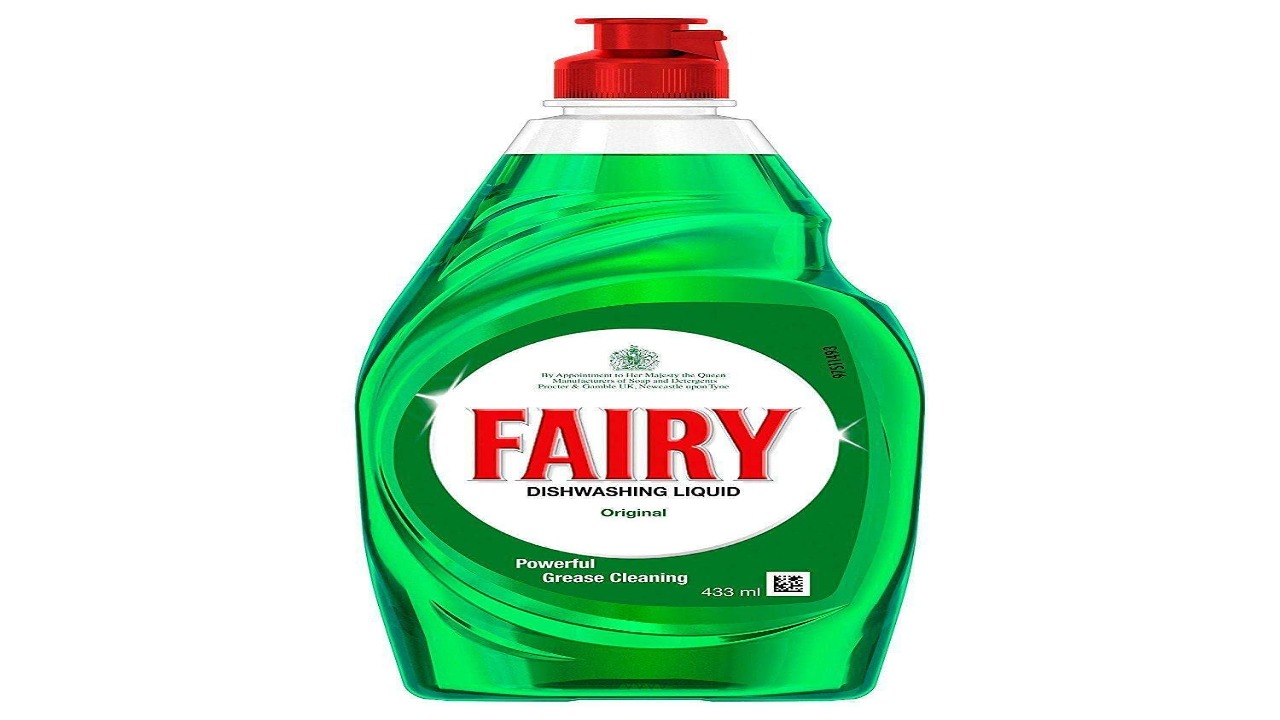


Fairy Liquid Warning: What Every Household Should Know
The recent Fairy liquid warning is raising serious concerns around the world. While Fairy is a well-known brand for dishwashing products, it’s now at the center of global discussions, especially in the UK, Ireland, and increasingly in the U.S. But what is the warning really about? Is Fairy liquid dangerous? And why does it matter to American households?
This article explores the health risks, environmental impact, and alternatives, with simple explanations, expert opinions, and clear insights to help families make safer choices.
Why the Fairy Liquid Warning Is Trending Now
The term "Fairy liquid warning" is trending globally due to recent events involving both health concerns and environmental damage. In particular:
-
UK parents reported chemical burns on their children’s skin after using baby clothes washed with Fairy Non-Bio pods.
-
Russian authorities banned certain Fairy products, claiming unsafe chemical content.
-
Environmental experts raised red flags about toxins in common dish soaps like Fairy that harm marine life.
These reports aren't isolated. They reflect a growing awareness of how everyday cleaning products can pose hidden dangers.
What Makes Fairy Liquid Risky for Health?
Though Fairy products are trusted by millions, some experts say they're not entirely risk-free. One of the most worrying cases involved an 11-month-old baby in the UK who suffered serious burns after wearing clothing washed in Fairy pods. The issue? The pod didn’t fully dissolve, leaving behind harsh chemicals that burned the skin.
Many mainstream dishwashing liquids including Fairy contain surfactants. These are substances that help lift grease and food off plates, but they also come from fossil fuels and can irritate the skin, especially for babies or people with sensitive conditions like eczema.
Additionally, chemicals like formaldehyde, triclosan, and artificial fragrances are often found in household cleaners. These can cause eye irritation, skin problems, and even long-term health issues in high exposure levels.
Environmental Concerns Behind the Fairy Liquid Warning
Health isn't the only concern. The Fairy liquid warning also includes serious environmental issues. Every time dishes are washed, chemicals from the soap go down the drain and enter rivers and oceans.
Environmental bloggers like Sustainable Lazy and several UK news sources report that surfactants in Fairy and similar products are:
-
Made from fossil fuels
-
Non-biodegradable
-
Toxic to aquatic life
In the UK alone, millions of plastic bottles of dish soap are sold each year. Fairy products are often packaged in single-use plastic, adding to the massive problem of ocean pollution.
Experts are now calling on households to make eco-conscious shifts—not just by changing packaging, but by choosing plant-based, non-toxic alternatives that are safe for both people and the planet.
European Union Labels Fairy Liquid as ‘Corrosive’
Even though the formula hasn’t changed, the EU recently required Fairy liquid bottles to carry a corrosive label. This classification means it can cause serious eye damage or skin irritation. Critics argue that this may confuse buyers, but regulators defend the move as a way to ensure transparency and safety.
While this labeling is not yet required in the United States, it shows how different countries are reacting to safety data—and suggests that American shoppers should start paying closer attention to product ingredients too.
Russia Bans Fairy Liquid Over Safety Concerns
In Russia, authorities have removed several Western cleaning products, including Fairy, from store shelves. The official reason? Toxic substances found in inspections. Although the exact chemicals haven’t been listed publicly, manufacturers like Procter & Gamble are pushing back, demanding further clarification.
This ban might not directly affect American consumers, but it adds weight to the global Fairy liquid warning and highlights the need for international safety standards in household products.
Simple Alternatives to Use Instead of Fairy Liquid
Here are some safer, greener, and more family-friendly dishwashing options:
-
Plant-Based Dish Soaps
Brands like Ecover, Seventh Generation, and Puracy offer products that are non-toxic and biodegradable. -
Soap Bars for Dishes
These solid alternatives come without plastic packaging and last longer than bottled liquids. -
DIY Dish Soap
A mix of baking soda, Castile soap, and essential oils can clean dishes without harming skin or water systems. -
Refill Stations
Some eco-shops in the U.S. allow you to refill your dish soap bottle, reducing waste and cost.
Switching to any of these helps reduce your carbon footprint and keeps your household safer.
What American Households Should Take From This
The Fairy liquid warning is more than just a UK or European issue. It’s a wake-up call for families everywhere—including in the United States.
Even though Fairy is not as popular in the U.S. as it is overseas, many American dish soaps use the same risky ingredients. The key takeaway? Read labels, understand ingredients, and make conscious choices when shopping for cleaning supplies.
Look for terms like:
-
"biodegradable"
-
"plant-based"
-
"no phosphates"
-
"fragrance-free"
These labels often point to safer and more eco-friendly options.
Final Thoughts on the Fairy Liquid Warning
The buzz around the Fairy liquid warning is not hype, it’s rooted in real issues that affect health, children, and the environment. Whether you're living in London or Los Angeles, the message is clear:
-
Check what’s in your dish soap
-
Avoid harsh surfactants and synthetic chemicals
-
Reduce plastic use and consider refills or alternatives
-
Protect waterways and wildlife by switching to non-toxic products
Better dish soap choices start with awareness, and that’s exactly what this warning is meant to do. For more latest updates, check our deep dive on Ban, what ban? Local alternatives to your favourite imported products.
'%3e%3crect%20y='0.445312'%20width='48'%20height='48'%20rx='24'%20fill='white'%20fill-opacity='0.5'/%3e%3crect%20x='0.5'%20y='0.945312'%20width='47'%20height='47'%20rx='23.5'%20stroke='%23808080'/%3e%3cpath%20d='M34.625%2024.4453L14%2024.4453'%20stroke='%23808080'%20stroke-width='0.920053'/%3e%3cpath%20d='M23.375%2034.4453L13.375%2024.4453L23.375%2014.4453'%20stroke='%23808080'%20stroke-width='0.920053'/%3e%3c/g%3e%3cdefs%3e%3cfilter%20id='filter0_b_489_44344'%20x='-12'%20y='-11.5547'%20width='72'%20height='72'%20filterUnits='userSpaceOnUse'%20color-interpolation-filters='sRGB'%3e%3cfeFlood%20flood-opacity='0'%20result='BackgroundImageFix'/%3e%3cfeGaussianBlur%20in='BackgroundImageFix'%20stdDeviation='6'/%3e%3cfeComposite%20in2='SourceAlpha'%20operator='in'%20result='effect1_backgroundBlur_489_44344'/%3e%3cfeBlend%20mode='normal'%20in='SourceGraphic'%20in2='effect1_backgroundBlur_489_44344'%20result='shape'/%3e%3c/filter%3e%3c/defs%3e%3c/svg%3e)
'%3e%3crect%20y='0.445312'%20width='48'%20height='48'%20rx='24'%20fill='white'%20fill-opacity='0.5'/%3e%3crect%20x='0.5'%20y='0.945312'%20width='47'%20height='47'%20rx='23.5'%20stroke='%23808080'/%3e%3cpath%20d='M13.375%2024.4453L34%2024.4453'%20stroke='%23808080'%20stroke-width='0.920053'/%3e%3cpath%20d='M24.625%2014.4453L34.625%2024.4453L24.625%2034.4453'%20stroke='%23808080'%20stroke-width='0.920053'/%3e%3c/g%3e%3cdefs%3e%3cfilter%20id='filter0_b_489_44344'%20x='-12'%20y='-11.5547'%20width='72'%20height='72'%20filterUnits='userSpaceOnUse'%20color-interpolation-filters='sRGB'%3e%3cfeFlood%20flood-opacity='0'%20result='BackgroundImageFix'/%3e%3cfeGaussianBlur%20in='BackgroundImageFix'%20stdDeviation='6'/%3e%3cfeComposite%20in2='SourceAlpha'%20operator='in'%20result='effect1_backgroundBlur_489_44344'/%3e%3cfeBlend%20mode='normal'%20in='SourceGraphic'%20in2='effect1_backgroundBlur_489_44344'%20result='shape'/%3e%3c/filter%3e%3c/defs%3e%3c/svg%3e)