
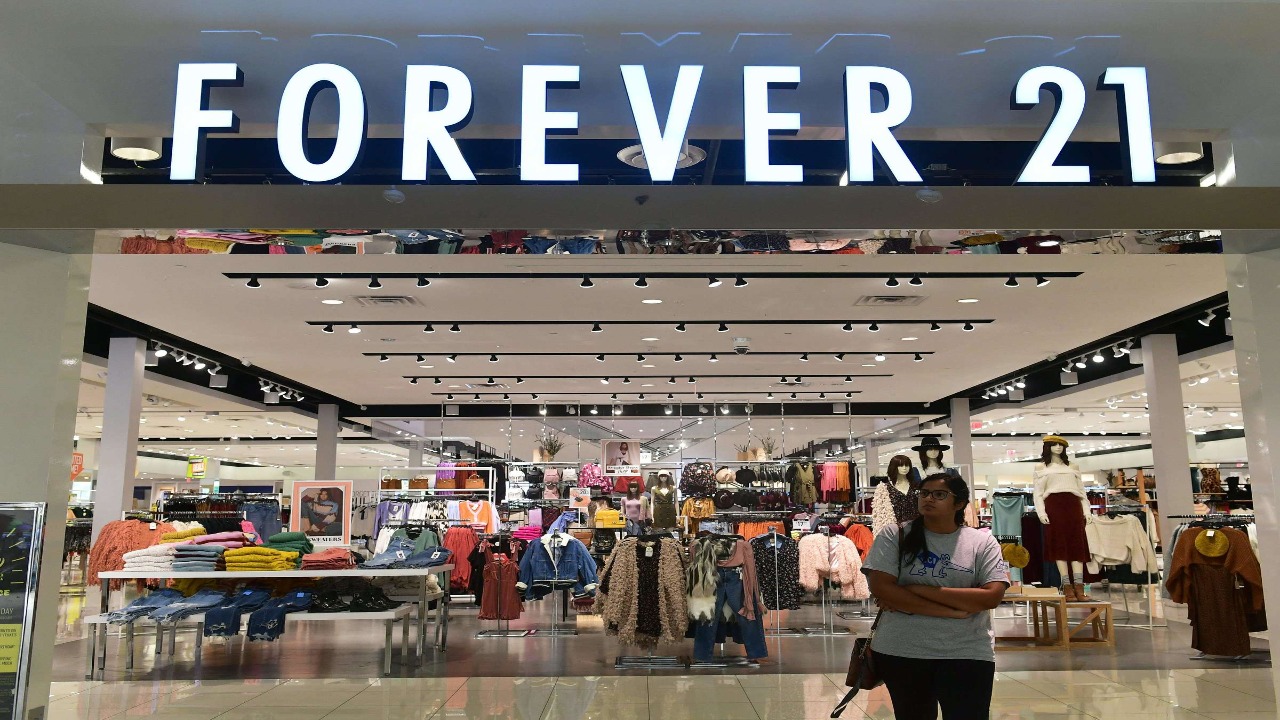


Forever 21 U.S. Prepares for Bankruptcy Filing, Shifts Focus to New Business Strategy
Forever 21 was once a dominant player in the U.S. retail market. It is now facing challenging times. After more than three decades of success, the fast-fashion retailer is preparing to file for bankruptcy, the second time in six years it has faced such a situation. Forever 21 plans to close nearly 200 stores and lay off hundreds of employees as part of its restructuring efforts. Despite these setbacks, the company is working on a new business strategy to adapt to the changing retail landscape.
A Look Back at Forever 21’s Rise
In 1984, Forever 21 was founded in Los Angeles, California. The founders, Do Won Chang and his wife Jin Sook Chang, had emigrated from South Korea just a few years earlier. They opened a small store in the Highland Park neighborhood called Fashion 21. This 900-square-foot shop offered affordable clothing to young adults and teenagers. The store generated $700,000 in revenue in its first year, a strong start for the couple’s new venture.
The brand quickly gained popularity due to its focus on affordable, trendy clothing. Over time, Fashion 21 rebranded itself as Forever 21. The company’s growth was nothing short of extraordinary. At its peak, Forever 21 had over 800 stores worldwide. It became a staple in the fast-fashion industry, offering affordable styles that appealed to young women.
Forever 21 helped popularize the idea of “fast fashion” in the United States. The term refers to the quick production and turnover of cheap clothing. The brand became known for bringing the latest fashion trends to stores in record time.
Decline and Financial Struggles
However, Forever 21’s success was not built to last. As the years passed, the company faced several challenges that led to its decline. One of the key issues was rapid expansion. Forever 21 expanded its footprint too quickly, opening hundreds of stores in a short period. While this helped the brand grow rapidly, it also created significant operational challenges.
Another major issue was the company’s failure to adapt to changing fashion trends. The fast-fashion industry is known for its constant shifts in style, but Forever 21 struggled to keep up. The rise of online shopping also contributed to the company’s troubles. Consumers began turning to e-commerce giants like Amazon and Shein for cheaper and more convenient options.
By 2019, Forever 21 had filed for bankruptcy for the first time. It closed hundreds of stores and laid off thousands of employees. Despite these restructuring efforts, the company’s financial situation never fully improved. Today, Forever 21 is preparing for another bankruptcy filing.
The Current Situation: Forever 21's Second Bankruptcy Filing
The U.S. operator of Forever 21 is preparing to file for bankruptcy again. As part of its restructuring efforts, the company plans to close approximately 200 stores, shut down its downtown Los Angeles headquarters, and lay off nearly 360 employees. These layoffs are set to begin in April.
In a statement, Catalyst Brands, Forever 21’s owner, confirmed that the company is exploring “strategic options,” including a potential sale. They are also working on reducing costs and optimizing the store footprint. While the company is focused on restructuring, no final decisions have been made regarding the outcome of these efforts.
Forever 21's New Business Strategy
As Forever 21 faces financial difficulties, it is also shifting its focus to a new business strategy. The company wants to adjust to the changing retail landscape by reducing its physical stores and embracing other approaches to reaching consumers.
One key area of focus is e-commerce. The rise of online shopping has changed the way consumers shop for clothes. Forever 21 is working to improve its online presence and reach customers through digital channels. The brand is enhancing its website and investing in digital marketing strategies, hoping to recapture some of its previous success.
Additionally, Forever 21 is focusing on optimizing its remaining stores. Rather than expanding its store count, the company plans to focus on the most profitable stores. Forever 21 aims to streamline its operations by closing underperforming locations and providing better customer experiences in key markets.
The Road Ahead for Forever 21
Despite the challenges Forever 21 faces, there is still hope for the brand. The company’s new strategy aims to adapt to the evolving retail industry. By focusing on e-commerce and optimizing its physical store presence, Forever 21 is looking to reclaim its place in the fashion world.
The company’s efforts may help it survive in a market that has changed drastically since its peak. However, the road ahead will not be easy. Forever 21 must overcome significant obstacles, including fierce competition from online retailers and the ongoing shift toward sustainable fashion. How the company navigates these challenges will determine its future in the retail industry.
Read Also: How Manolo Marquez Helped Sunil Chhetri Make the Bold Decision to Continue Playing
'%3e%3crect%20y='0.445312'%20width='48'%20height='48'%20rx='24'%20fill='white'%20fill-opacity='0.5'/%3e%3crect%20x='0.5'%20y='0.945312'%20width='47'%20height='47'%20rx='23.5'%20stroke='%23808080'/%3e%3cpath%20d='M34.625%2024.4453L14%2024.4453'%20stroke='%23808080'%20stroke-width='0.920053'/%3e%3cpath%20d='M23.375%2034.4453L13.375%2024.4453L23.375%2014.4453'%20stroke='%23808080'%20stroke-width='0.920053'/%3e%3c/g%3e%3cdefs%3e%3cfilter%20id='filter0_b_489_44344'%20x='-12'%20y='-11.5547'%20width='72'%20height='72'%20filterUnits='userSpaceOnUse'%20color-interpolation-filters='sRGB'%3e%3cfeFlood%20flood-opacity='0'%20result='BackgroundImageFix'/%3e%3cfeGaussianBlur%20in='BackgroundImageFix'%20stdDeviation='6'/%3e%3cfeComposite%20in2='SourceAlpha'%20operator='in'%20result='effect1_backgroundBlur_489_44344'/%3e%3cfeBlend%20mode='normal'%20in='SourceGraphic'%20in2='effect1_backgroundBlur_489_44344'%20result='shape'/%3e%3c/filter%3e%3c/defs%3e%3c/svg%3e)
'%3e%3crect%20y='0.445312'%20width='48'%20height='48'%20rx='24'%20fill='white'%20fill-opacity='0.5'/%3e%3crect%20x='0.5'%20y='0.945312'%20width='47'%20height='47'%20rx='23.5'%20stroke='%23808080'/%3e%3cpath%20d='M13.375%2024.4453L34%2024.4453'%20stroke='%23808080'%20stroke-width='0.920053'/%3e%3cpath%20d='M24.625%2014.4453L34.625%2024.4453L24.625%2034.4453'%20stroke='%23808080'%20stroke-width='0.920053'/%3e%3c/g%3e%3cdefs%3e%3cfilter%20id='filter0_b_489_44344'%20x='-12'%20y='-11.5547'%20width='72'%20height='72'%20filterUnits='userSpaceOnUse'%20color-interpolation-filters='sRGB'%3e%3cfeFlood%20flood-opacity='0'%20result='BackgroundImageFix'/%3e%3cfeGaussianBlur%20in='BackgroundImageFix'%20stdDeviation='6'/%3e%3cfeComposite%20in2='SourceAlpha'%20operator='in'%20result='effect1_backgroundBlur_489_44344'/%3e%3cfeBlend%20mode='normal'%20in='SourceGraphic'%20in2='effect1_backgroundBlur_489_44344'%20result='shape'/%3e%3c/filter%3e%3c/defs%3e%3c/svg%3e)