
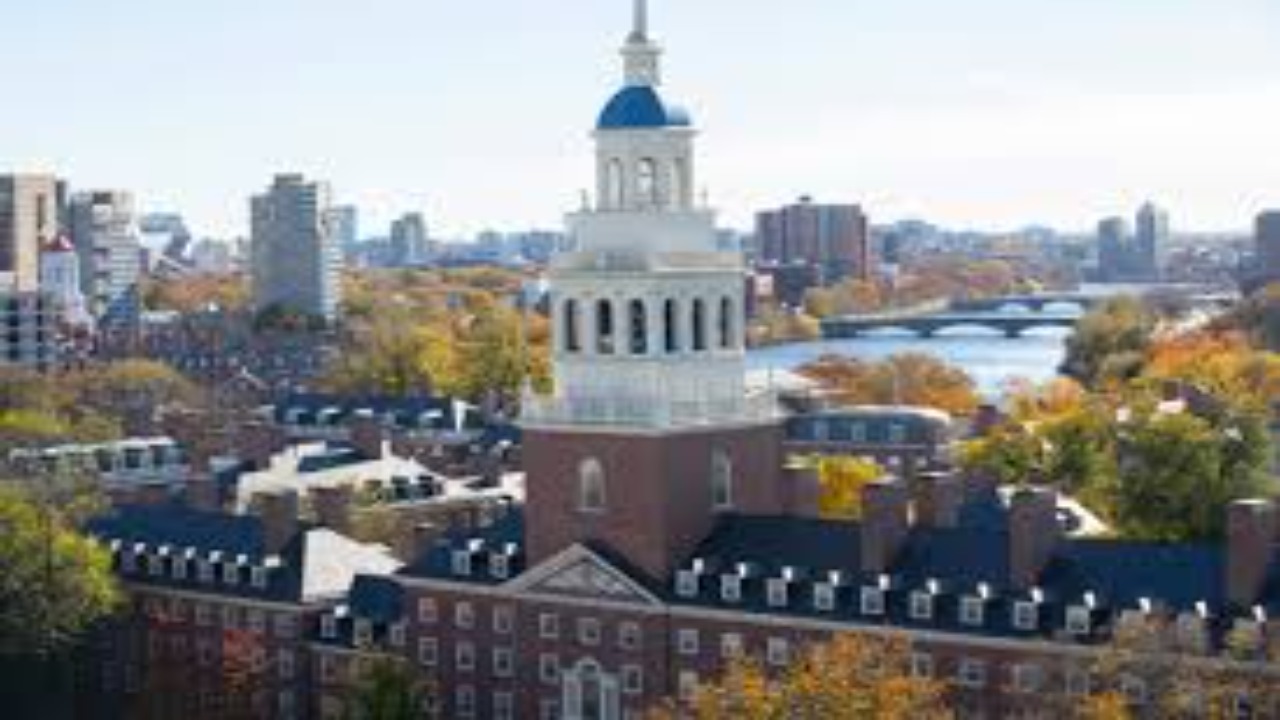


Harvard University Issues Travel Warning for International Students Over Logan Airport Risks
Harvard University has issued an urgent travel advisory for its international students, especially those arriving from Iran and China or enrolled in STEM and AI-related programs. The advisory warns against entering the United States through Boston Logan International Airport due to increased scrutiny at that port of entry. Reports from students and legal experts suggest that immigration officers at Logan have been stopping, interrogating, and even denying entry to international students more aggressively than at other major airports.
This decision by Harvard reflects a broader concern over how international students are being treated at U.S. borders, particularly when their academic focus falls under areas considered sensitive, such as science, engineering, and artificial intelligence. Harvard’s latest guidance provides key insights into current travel challenges and recommends safer alternatives for students seeking a smooth arrival experience in the United States.
What Prompted the Advisory?
Over recent months, international students trying to enter the U.S. through Boston Logan Airport have reported being subjected to intense questioning, long detentions, and, in some cases, being turned away. These cases disproportionately affect students from specific regions, especially Iran and China. Many of the students impacted are engaged in advanced research or academic programs related to high-tech fields.
The increase in these incidents has created a sense of anxiety among international students and sparked Harvard’s decision to release a formal advisory. The goal is not just to inform but to protect. By issuing clear instructions and providing alternatives, the university is working to prevent students from experiencing unnecessary legal trouble or psychological stress upon arrival.
Safer Airport Options for Entry into the U.S.
Harvard’s advisory recommends that students avoid Boston Logan and instead arrive through other international hubs that have proven to be less problematic. These include John F. Kennedy International Airport in New York, Chicago O’Hare International Airport, and Los Angeles International Airport. According to reports and university sources, students arriving through these airports have faced fewer invasive searches and fewer complications during their entry process.
These locations have not entirely escaped federal scrutiny, but the level of intensity and frequency of checks at Logan appear to be significantly higher. Harvard believes that using alternate airports can greatly improve the chances of a smooth and uneventful entry into the country.
Rising Concerns Over Digital Privacy and Device Searches
Another key aspect of the advisory involves the treatment of digital devices during the entry process. Harvard has warned that U.S. Customs and Border Protection officers may inspect phones, laptops, tablets, and other electronic devices. This is not a theoretical concern. Students have already reported incidents where their devices were taken for inspection, and some were asked to provide passwords or unlock their phones for review.
The university has advised students to prepare for such inspections in advance. Rather than wiping their devices clean, which can appear suspicious, students are encouraged to review their content carefully. Any politically sensitive posts, research data, or controversial material should be removed or secured. Deleting everything or encrypting devices might raise red flags and increase the chance of further investigation or denial of entry.
Furthermore, students are reminded that the U.S. government may review their online presence, including social media activity, even before the visa interview. This means their public online behavior could influence immigration decisions. Harvard urges students to assess their digital footprints early and avoid posting or carrying anything that could be interpreted as political or provocative.
Special Risk Factors for Students from Iran and China
Harvard’s advisory is particularly urgent for students from Iran and China because data suggests they are more frequently targeted during border inspections. In recent incidents, some Iranian students were detained for multiple days before being sent back despite holding valid visas and academic appointments.
Students from China involved in advanced science and technology research also face elevated scrutiny. There is growing concern that international academic collaborations in fields like AI and cybersecurity are being viewed through a national security lens. As a result, students in these disciplines are more likely to be questioned about the purpose of their travel, the nature of their research, and their future academic intentions.
This pattern of scrutiny has raised human rights and discrimination concerns, with critics arguing that such policies unfairly target individuals based on nationality and academic interests. Harvard’s decision to speak out and guide its students comes at a time when educational institutions are being called upon to take a more active role in defending the rights of international scholars.
Harvard’s Support System for International Students
Harvard University is taking a proactive approach to helping students navigate these challenges. Its International Office has been offering continuous updates, legal support, and webinars in partnership with the university’s Law School. These resources are designed to educate students about their rights at the border and provide actionable steps for safe travel.
For example, students are advised to stay in touch with the International Office both before and during travel. In case of detainment or questioning, students should know that they have the right to ask for written explanations for any decisions made at the border. Legal assistance may also be arranged through university channels if a student experiences unjust treatment.
Harvard’s actions reflect its deep commitment to creating a welcoming and secure environment for students from all parts of the world. It is not only advising them to make smarter travel choices but also ensuring they are supported with practical tools and legal knowledge every step of the way.
Broader Context: U.S. Immigration Climate and Academic Freedom
The timing of this advisory also reflects larger changes in the U.S. immigration and border enforcement climate. The federal government has tightened screening processes in response to growing geopolitical tensions and perceived security threats. These developments are having a direct impact on the free movement of students, scholars, and researchers.
This is not the first time Harvard has taken a stand for its international community. In 2020, the university challenged federal rules that would have forced international students to leave the country if their classes moved fully online due to the pandemic. Harvard won that legal battle, setting an important precedent for academic institutions nationwide.
Today, the situation has evolved, but the stakes remain high. With increasing suspicion toward foreign scholars in certain fields, universities like Harvard are working harder than ever to protect academic freedom and human dignity.
Final Thoughts
Harvard University’s advisory against using Boston Logan Airport is not just a travel tip. It is a clear signal that the university is watching the legal and political landscape closely and is willing to take meaningful action to support its students. In a time when international travel can be fraught with complications and uncertainty, Harvard is using its voice and resources to guide students through the process safely.
By offering safer entry options, providing detailed advice on digital privacy, and standing up for students’ rights, Harvard University is demonstrating what it means to be an institution that leads with both knowledge and compassion. For international students looking to begin or continue their academic journey in the United States, this support is helpful and essential.
Yasir Hussain shrugs off Nadia Khan’s court warning with jokes as the drama between celebrities takes a lighter turn.
'%3e%3crect%20y='0.445312'%20width='48'%20height='48'%20rx='24'%20fill='white'%20fill-opacity='0.5'/%3e%3crect%20x='0.5'%20y='0.945312'%20width='47'%20height='47'%20rx='23.5'%20stroke='%23808080'/%3e%3cpath%20d='M34.625%2024.4453L14%2024.4453'%20stroke='%23808080'%20stroke-width='0.920053'/%3e%3cpath%20d='M23.375%2034.4453L13.375%2024.4453L23.375%2014.4453'%20stroke='%23808080'%20stroke-width='0.920053'/%3e%3c/g%3e%3cdefs%3e%3cfilter%20id='filter0_b_489_44344'%20x='-12'%20y='-11.5547'%20width='72'%20height='72'%20filterUnits='userSpaceOnUse'%20color-interpolation-filters='sRGB'%3e%3cfeFlood%20flood-opacity='0'%20result='BackgroundImageFix'/%3e%3cfeGaussianBlur%20in='BackgroundImageFix'%20stdDeviation='6'/%3e%3cfeComposite%20in2='SourceAlpha'%20operator='in'%20result='effect1_backgroundBlur_489_44344'/%3e%3cfeBlend%20mode='normal'%20in='SourceGraphic'%20in2='effect1_backgroundBlur_489_44344'%20result='shape'/%3e%3c/filter%3e%3c/defs%3e%3c/svg%3e)
'%3e%3crect%20y='0.445312'%20width='48'%20height='48'%20rx='24'%20fill='white'%20fill-opacity='0.5'/%3e%3crect%20x='0.5'%20y='0.945312'%20width='47'%20height='47'%20rx='23.5'%20stroke='%23808080'/%3e%3cpath%20d='M13.375%2024.4453L34%2024.4453'%20stroke='%23808080'%20stroke-width='0.920053'/%3e%3cpath%20d='M24.625%2014.4453L34.625%2024.4453L24.625%2034.4453'%20stroke='%23808080'%20stroke-width='0.920053'/%3e%3c/g%3e%3cdefs%3e%3cfilter%20id='filter0_b_489_44344'%20x='-12'%20y='-11.5547'%20width='72'%20height='72'%20filterUnits='userSpaceOnUse'%20color-interpolation-filters='sRGB'%3e%3cfeFlood%20flood-opacity='0'%20result='BackgroundImageFix'/%3e%3cfeGaussianBlur%20in='BackgroundImageFix'%20stdDeviation='6'/%3e%3cfeComposite%20in2='SourceAlpha'%20operator='in'%20result='effect1_backgroundBlur_489_44344'/%3e%3cfeBlend%20mode='normal'%20in='SourceGraphic'%20in2='effect1_backgroundBlur_489_44344'%20result='shape'/%3e%3c/filter%3e%3c/defs%3e%3c/svg%3e)