
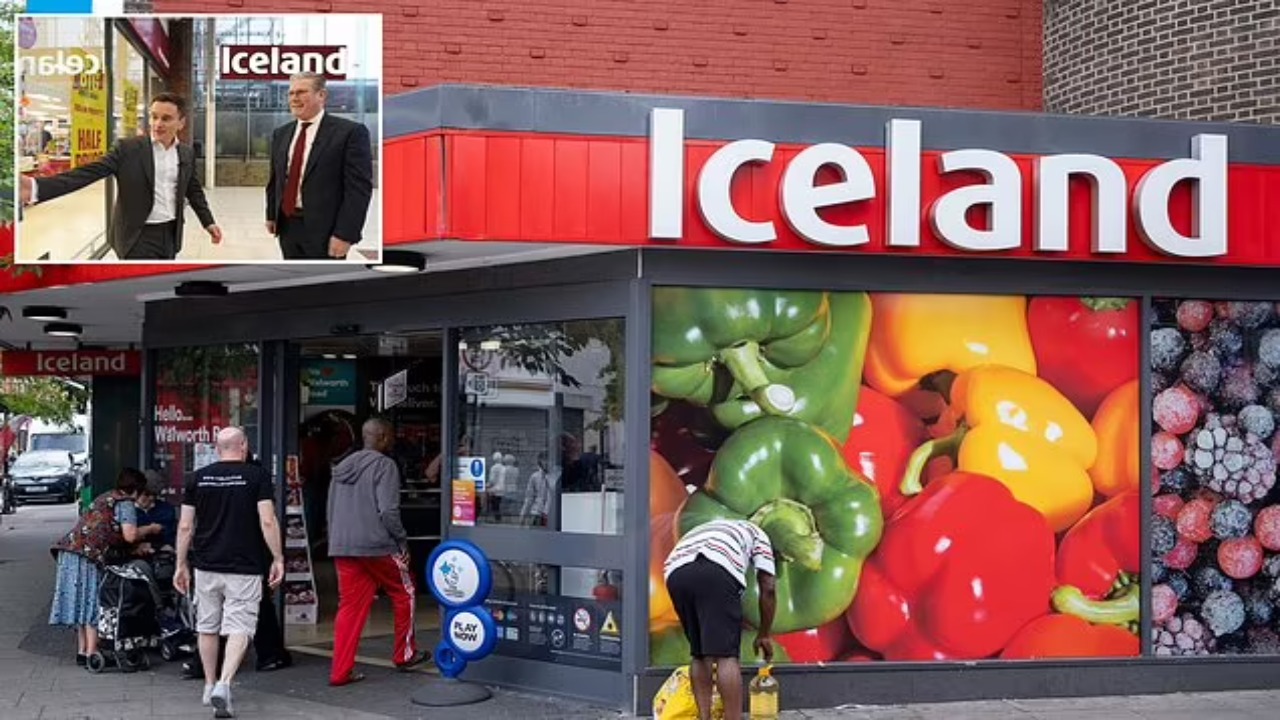


Iceland Store Closures: Why More Branches Are Shutting Down
Iceland store closures have been making headlines in the UK over the past year. The frozen food chain is shutting down more of its stores, and many communities are starting to feel the impact. With rising costs and changing customer habits, the company is being forced to make tough decisions.
In this blog, we break down why Iceland is closing stores, which areas are affected, and what it means for shoppers.
What’s Happening With Iceland?
Iceland has been a household name in the UK for decades. Known for its frozen meals and budget-friendly prices, the chain has built a strong following. But times are changing. More people are shopping online, and the cost of running physical stores is climbing fast.
As a result, Iceland store closures have become more frequent. Several stores closed in 2023 and 2024. This trend has continued into 2025. In recent updates, Iceland confirmed closures in Margate and Inverness. Other towns may follow soon.
The closures are not random. Iceland is reviewing its store performance and closing locations that no longer make enough profit. This is part of a larger effort to keep the business sustainable in a tough market.
Why Are Iceland Stores Closing?
There are multiple reasons for the Iceland store closures. Each one points to a shift in how the UK retail sector works today.
1. Falling Footfall
More shoppers are turning to online grocery services. Iceland has its own delivery platform, but not all stores support this. Physical stores in smaller towns are getting less foot traffic. When fewer people walk in, the store makes less money.
2. Rising Costs
Energy prices in the UK have soared in recent years. Running a frozen food store requires a lot of power. Rent and business rates have also increased. For some stores, these costs outweigh the revenue they bring in.
3. Increased Competition
Discount supermarkets like Aldi and Lidl continue to grow fast. They offer similar prices and more variety. Bigger chains like Tesco and Asda are also fighting for the same customers. This makes it harder for Iceland to hold its market share.
4. Strategic Shift
Iceland is focusing more on digital and high-performing locations. By closing underperforming branches, the company hopes to redirect resources to areas with more growth potential.
Which Stores Have Closed?
The company has not published a full list of closures for 2025 yet. However, based on reports, closures have already happened in:
-
Margate
-
Inverness
-
Llanelli
-
Huddersfield
-
Bromsgrove
-
Bangor
-
Newport
More closures may follow in towns with low sales and high costs. If a store near you is struggling, there’s a chance it could be on the list.
What Does This Mean for Shoppers?
Iceland store closures are already having an impact on local communities. Some people rely on Iceland for affordable meals and weekly essentials. For those without access to transport, losing a nearby store creates real challenges.
Shoppers may now need to travel further to find a similar store. In areas with fewer supermarket options, this could cause more pressure on budgets and time.
There is also concern about job losses. Each store closure means local staff could be made redundant. While Iceland has said it tries to move employees to nearby locations, that’s not always possible.
What Is Iceland Doing Next?
While the company is closing stores, it is not downsizing entirely. Iceland is investing in
-
Online grocery delivery
-
Click-and-collect services
-
Upgrading top-performing stores
-
Offering exclusive online discounts
These changes reflect a shift in consumer habits. More people want to shop online or visit stores that offer a full range of services. Iceland is adapting to meet that demand.
The retailer also continues to focus on its unique frozen food offerings. It still has a loyal customer base, and it plans to build on that by being more selective with its store locations.
How Does This Compare to Other Supermarkets?
Iceland is not alone in closing stores. Other retailers like Tesco, Wilko, and Marks & Spencer have also closed underperforming locations. The UK high street is under pressure, and all major chains are reviewing their strategies.
However, Iceland’s reliance on frozen food and budget-conscious customers makes it more vulnerable in a competitive market. It faces a unique challenge in balancing affordability with operational costs.
Final Thoughts
Iceland store closures show the changing face of British retail. With costs rising and shopping habits shifting, supermarkets must adapt quickly. Iceland is choosing to close weaker stores and focus on more profitable parts of its business.
For shoppers, this could mean fewer local options in the short term. But it also means the company is planning for a more sustainable future.
As Iceland moves forward, it will need to keep its loyal customers happy while competing with major retailers. Time will tell how successful this strategy will be.
Related News: ‘Firmly stand by our brother’: Azerbaijan journalist reacts to Indian boycotts over Pakistan support
'%3e%3crect%20y='0.445312'%20width='48'%20height='48'%20rx='24'%20fill='white'%20fill-opacity='0.5'/%3e%3crect%20x='0.5'%20y='0.945312'%20width='47'%20height='47'%20rx='23.5'%20stroke='%23808080'/%3e%3cpath%20d='M34.625%2024.4453L14%2024.4453'%20stroke='%23808080'%20stroke-width='0.920053'/%3e%3cpath%20d='M23.375%2034.4453L13.375%2024.4453L23.375%2014.4453'%20stroke='%23808080'%20stroke-width='0.920053'/%3e%3c/g%3e%3cdefs%3e%3cfilter%20id='filter0_b_489_44344'%20x='-12'%20y='-11.5547'%20width='72'%20height='72'%20filterUnits='userSpaceOnUse'%20color-interpolation-filters='sRGB'%3e%3cfeFlood%20flood-opacity='0'%20result='BackgroundImageFix'/%3e%3cfeGaussianBlur%20in='BackgroundImageFix'%20stdDeviation='6'/%3e%3cfeComposite%20in2='SourceAlpha'%20operator='in'%20result='effect1_backgroundBlur_489_44344'/%3e%3cfeBlend%20mode='normal'%20in='SourceGraphic'%20in2='effect1_backgroundBlur_489_44344'%20result='shape'/%3e%3c/filter%3e%3c/defs%3e%3c/svg%3e)
'%3e%3crect%20y='0.445312'%20width='48'%20height='48'%20rx='24'%20fill='white'%20fill-opacity='0.5'/%3e%3crect%20x='0.5'%20y='0.945312'%20width='47'%20height='47'%20rx='23.5'%20stroke='%23808080'/%3e%3cpath%20d='M13.375%2024.4453L34%2024.4453'%20stroke='%23808080'%20stroke-width='0.920053'/%3e%3cpath%20d='M24.625%2014.4453L34.625%2024.4453L24.625%2034.4453'%20stroke='%23808080'%20stroke-width='0.920053'/%3e%3c/g%3e%3cdefs%3e%3cfilter%20id='filter0_b_489_44344'%20x='-12'%20y='-11.5547'%20width='72'%20height='72'%20filterUnits='userSpaceOnUse'%20color-interpolation-filters='sRGB'%3e%3cfeFlood%20flood-opacity='0'%20result='BackgroundImageFix'/%3e%3cfeGaussianBlur%20in='BackgroundImageFix'%20stdDeviation='6'/%3e%3cfeComposite%20in2='SourceAlpha'%20operator='in'%20result='effect1_backgroundBlur_489_44344'/%3e%3cfeBlend%20mode='normal'%20in='SourceGraphic'%20in2='effect1_backgroundBlur_489_44344'%20result='shape'/%3e%3c/filter%3e%3c/defs%3e%3c/svg%3e)