
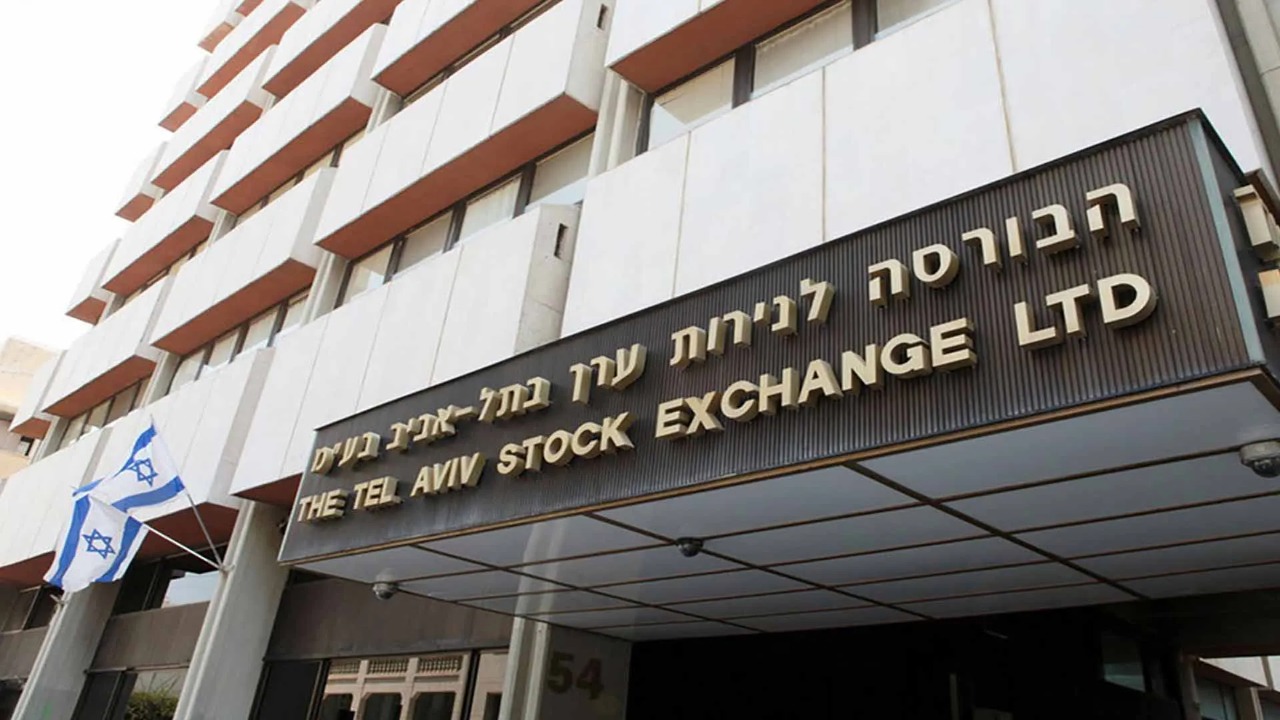


Israel Stock Exchange: Why the Market Soared After a Missile Strike
The Israel Stock Exchange has become the unexpected headline across global financial markets. What shocked many investors was not just the fact that it was directly hit by Iranian missiles, but how it responded, with a surge.
At a time when geopolitical tensions between Iran and Israel have reached new heights, financial experts and everyday investors alike are wondering: Why did the market go up when the Tel Aviv Stock Exchange was attacked?
This article breaks down the latest developments, provides clear insights into the Israel stock exchange index, and explains why the Israel stock exchange today reflects more resilience than fear.
What Is the Israel Stock Exchange?
The Israel Stock Exchange (TASE), located in Tel Aviv, is the central marketplace for trading stocks, bonds, ETFs, and derivatives in Israel. It’s home to major Israeli tech companies, banks, and defense firms.
The Tel Aviv Stock Market today plays a critical role in Israel's economy, much like the New York Stock Exchange does in the United States. Its main benchmark is the TA-35 index, which includes the 35 largest companies listed in Israel.
Iran's Missile Attack on Tel Aviv Stock Exchange
On June 19, 2025, tensions between Israel and Iran took a dangerous turn. Iran launched missiles, and one of them damaged the Tel Aviv Stock Exchange. This direct hit marked a serious escalation in the ongoing conflict.
This wasn’t just a symbolic act, it was a targeted strike on Israel’s financial infrastructure. The "Israel stock exchange hit" became a trending topic online, with people searching for updates on what’s now known as the "Israel stock exchange attack."
Yet, despite the aggression, something surprising happened.
Israel Stock Market Surges After Attack
While most would expect a market collapse following a missile strike, the opposite occurred.
The TA-35 index, a key Israel stock exchange index, rose sharply. On the day of the attack, it reached a 52-week high of 2,811.70.
So why would the market go up during an Iran-Israel stock exchange conflict?
Market Confidence: Why Did the Index Rise?
Confidence in Israel's Economy
Investors may have interpreted the missile attack as non-lethal to market fundamentals. Since the physical damage didn’t disrupt financial systems or halt trading, confidence remained intact.
Resilient Corporate Earnings
Israeli companies, particularly in tech and cybersecurity, have global revenue streams. These firms are not entirely dependent on local stability.
Preparedness for Conflict
Israel has lived under the constant shadow of regional threats. Businesses and the financial system are built to withstand disruptions, and that preparedness may have reassured investors.
Speculative Buying
Some investors may have seen an opportunity, expecting government support or long-term gains after temporary instability.
Comparing the Reactions: Global Markets vs Israel
While other Middle Eastern markets dipped amid the Iran-Israel conflict, the Tel Aviv Stock Market today behaved differently. Unlike oil-rich Gulf markets that depend heavily on regional stability, Israel’s market is tech-focused and innovation-driven.
The Israel stock market chart from June 19 shows a clear upward trend, defying conventional economic logic. For many watching from the U.S., this challenges traditional ideas about how war impacts financial markets.
U.S. Investors and the Israel Stock Exchange
Interest in the Israel Stock Exchange has grown among U.S. investors, especially those in the tech sector. Here’s why:
-
Access to emerging technology and cybersecurity firms
-
Diversification outside of U.S. markets
-
Strong ties between Israeli and American businesses
Despite current conflict, Israel remains a hotbed of innovation, attracting venture capital and institutional investment from the United States.
Israel Stock Exchange Today: Real-Time Developments
Following the missile incident, trading continued as normal. Infrastructure was quickly secured, and damage to the building did not halt electronic trading. This seamless operation reflects the high-tech readiness of the Israel exchange.
As of today, investor sentiment is neutral-to-positive, with many adopting a wait-and-see attitude. Still, the Israel stock exchange today is a case study in how markets can stay functional during crises.
The Human Side of the Israel Stock Exchange Attack
Beyond charts and numbers, the Israel stock exchange attack had emotional consequences. Market employees and civilians were put at risk. Images of damaged areas around the Tel Aviv business district circulated widely.
Despite this, morale appears to be high. Traders returned to work, and global investors showed continued support. In a way, the exchange has become a symbol of national resilience.
What This Means for the Future
Stronger Global Interest
With the world watching, the Israel Stock Exchange may gain greater international visibility, especially among U.S. investors seeking access to defense and cyber innovation.
Possible Short-Term Volatility
Tensions with Iran may cause fluctuations in the Israel stock market chart. However, so far, these movements have been relatively contained.
Long-Term Growth Potential
Despite geopolitical risk, Israel’s economy remains strong. With smart investment strategies, the Tel Aviv Stock Market could present unique opportunities for U.S. investors.
How to Track the Israel Stock Exchange
For anyone looking to stay updated:
-
Use financial platforms like Bloomberg, CNBC, and TradingView to monitor the Israel stock market chart
-
Follow major indexes like TA-35 for real-time trends
-
Watch for breaking headlines about Iran-Israel tensions that may impact performance
Final Thoughts
The recent Israel stock exchange hit shows that while missiles can damage buildings, they can't easily destroy investor confidence, especially in a country as economically adaptable as Israel.
The Tel Aviv Stock Market today stands as a unique example of how modern economies can remain strong under pressure. From index resilience to growing foreign interest, the Israel Stock Exchange is proving its global significance.
As global headlines continue to evolve, the best way forward is through informed investment, measured risk-taking, and a close eye on market fundamentals.
For anyone in the U.S. curious about how a stock market survives a missile strike, the answer lies in Tel Aviv. For more on the ongoing regional tensions, including recent escalations in Gaza, click here to read the full report.
'%3e%3crect%20y='0.445312'%20width='48'%20height='48'%20rx='24'%20fill='white'%20fill-opacity='0.5'/%3e%3crect%20x='0.5'%20y='0.945312'%20width='47'%20height='47'%20rx='23.5'%20stroke='%23808080'/%3e%3cpath%20d='M34.625%2024.4453L14%2024.4453'%20stroke='%23808080'%20stroke-width='0.920053'/%3e%3cpath%20d='M23.375%2034.4453L13.375%2024.4453L23.375%2014.4453'%20stroke='%23808080'%20stroke-width='0.920053'/%3e%3c/g%3e%3cdefs%3e%3cfilter%20id='filter0_b_489_44344'%20x='-12'%20y='-11.5547'%20width='72'%20height='72'%20filterUnits='userSpaceOnUse'%20color-interpolation-filters='sRGB'%3e%3cfeFlood%20flood-opacity='0'%20result='BackgroundImageFix'/%3e%3cfeGaussianBlur%20in='BackgroundImageFix'%20stdDeviation='6'/%3e%3cfeComposite%20in2='SourceAlpha'%20operator='in'%20result='effect1_backgroundBlur_489_44344'/%3e%3cfeBlend%20mode='normal'%20in='SourceGraphic'%20in2='effect1_backgroundBlur_489_44344'%20result='shape'/%3e%3c/filter%3e%3c/defs%3e%3c/svg%3e)
'%3e%3crect%20y='0.445312'%20width='48'%20height='48'%20rx='24'%20fill='white'%20fill-opacity='0.5'/%3e%3crect%20x='0.5'%20y='0.945312'%20width='47'%20height='47'%20rx='23.5'%20stroke='%23808080'/%3e%3cpath%20d='M13.375%2024.4453L34%2024.4453'%20stroke='%23808080'%20stroke-width='0.920053'/%3e%3cpath%20d='M24.625%2014.4453L34.625%2024.4453L24.625%2034.4453'%20stroke='%23808080'%20stroke-width='0.920053'/%3e%3c/g%3e%3cdefs%3e%3cfilter%20id='filter0_b_489_44344'%20x='-12'%20y='-11.5547'%20width='72'%20height='72'%20filterUnits='userSpaceOnUse'%20color-interpolation-filters='sRGB'%3e%3cfeFlood%20flood-opacity='0'%20result='BackgroundImageFix'/%3e%3cfeGaussianBlur%20in='BackgroundImageFix'%20stdDeviation='6'/%3e%3cfeComposite%20in2='SourceAlpha'%20operator='in'%20result='effect1_backgroundBlur_489_44344'/%3e%3cfeBlend%20mode='normal'%20in='SourceGraphic'%20in2='effect1_backgroundBlur_489_44344'%20result='shape'/%3e%3c/filter%3e%3c/defs%3e%3c/svg%3e)