


Killer Fungus UK: A Growing Threat You Need to Know
The term "Killer fungus UK" is now catching global attention and for a serious reason. Once thought to be a distant danger confined to hotter parts of the world, this deadly fungus is now moving closer to Europe, and especially the UK. Scientists are sounding the alarm as climate change helps deadly fungi like Aspergillus spread to new areas, including cooler regions.
This article explores the killer fungus, how it threatens humans, animals, and crops, and why people in the United States should also stay informed. The rise of this silent invader may seem like a plot from a TV show, but it's becoming a real-world threat.
What Is the Killer Fungus?
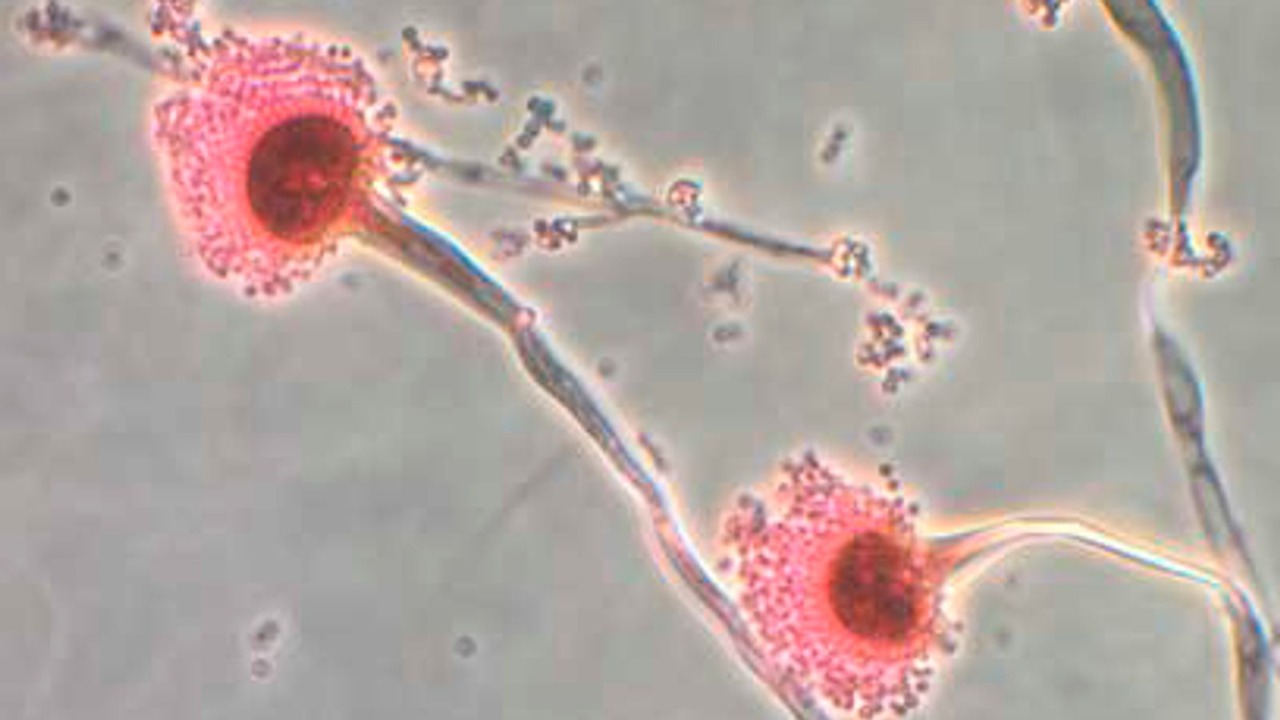
The term "killer fungus" often refers to types of Aspergillus, especially Aspergillus fumigatus. These fungi produce spores that float in the air and are breathed in by people and animals every day. In healthy individuals, the body fights off the spores easily. But in people with weakened immune systems, such as the elderly, cancer patients, or those with chronic diseases, the fungus can cause deadly infections.
The most common illness is called aspergillosis. It affects the lungs and can spread to the brain or other organs. In severe cases, aspergillosis can be fatal. Around 300,000 people die from it globally each year.
Why the Killer Fungus UK Is Trending
So, why is "Killer fungus UK" suddenly trending? A new scientific study has revealed that climate change is making the fungus more dangerous and easier to spread. As global temperatures rise, fungi that once thrived only in tropical and subtropical areas are now surviving in milder climates.
The study forecasts that the killer fungus could soon make its way to the UK. Warmer winters and wetter conditions create the perfect environment for spores to survive and spread. This is a big deal—not just for people in the UK, but for the world.
The Role of Climate Change
Climate change is not just about rising sea levels or extreme weather. It's also about how diseases spread. Warmer weather means more mosquitoes carrying malaria and dengue. It also means fungi like Aspergillus can grow in new regions.
Norman van Rhijn from Manchester University, the lead researcher of the study, explains that fungi are extremely hard to treat. They are also difficult to diagnose. This makes the growing spread of killer fungus even more alarming.
Most antifungal medicines are old, and the fungi are becoming resistant to them. Unlike bacteria, fungi have very similar cell structures to human cells. This makes it hard to develop new treatments without harming the patient.
More Than a Human Health Issue
The killer fungus is not just a threat to people. It also affects animals and crops. In livestock, the fungus can cause infections that lead to serious health problems or death. In crops, it makes food unsafe to eat.
Some types of Aspergillus produce aflatoxins, which are toxins that can contaminate crops like maize, peanuts, and wheat. These toxins are linked to liver cancer and other serious illnesses in humans. If the fungus spreads into European and UK agriculture, the food supply chain could be at risk.
Unknown and Unexplored Territory
Here’s what’s even scarier, over 90% of all fungi are still unknown to science. That means there could be more killer fungi out there, waiting to be discovered. These organisms are everywhere: in the air, soil, and even inside our bodies. Most are harmless, but a few can be deadly.
Scientists are urging governments to invest more in fungal research. While bacteria and viruses have received massive attention and funding, fungi have largely been ignored. That needs to change.
Why the US Should Pay Attention
The spread of killer fungus UK may seem like a faraway problem for people in the United States. But in today’s interconnected world, diseases don’t stay put. Air travel, trade, and climate patterns link every continent.
Plus, the U.S. has many regions with the kind of climate that could soon support these fungi. The southern and midwestern parts of the country, in particular, may become breeding grounds if climate trends continue.
Hospitals in the U.S. are already dealing with rising fungal infections. With antifungal resistance growing, this could quickly become a public health crisis.
What Can Be Done?
-
Research and Funding: More money should go into studying fungal diseases. This includes finding new medicines and creating faster diagnostic tools.
-
Climate Action: Slowing down climate change can reduce the speed at which the fungus spreads.
-
Public Awareness: People should be informed about the signs of fungal infections and when to seek help.
-
Agricultural Safety: Farmers need support to monitor and control fungal contamination in crops.
A Warning from Nature
Nature is sending us a message. Fungi are an essential part of the ecosystem. They break down dead material and help the planet recycle nutrients. But when pushed by human actions like pollution and global warming, they can also become threats.
The rise of the killer fungus in the UK is a wake-up call. It's time to pay attention—not just to what's happening in one country, but to how all our actions affect global health.
Final Thoughts
The killer fungus UK is more than just a headline—it’s a growing reality. Climate change is helping fungi move into new areas, bringing deadly infections to people, animals, and crops. While the science fiction drama "The Last of Us" may seem extreme, it is rooted in real science.
Understanding and acting on this threat now can prevent bigger problems later. Whether living in London or Los Angeles, staying informed about the killer fungus is essential for public health and safety.
Stay updated, stay safe and remember, the real monsters sometimes come in the form of invisible spores in the air we breathe. For the latest update, check our dive on Rare fungal infection Histoplasmosis claims one life in Islamabad.
'%3e%3crect%20y='0.445312'%20width='48'%20height='48'%20rx='24'%20fill='white'%20fill-opacity='0.5'/%3e%3crect%20x='0.5'%20y='0.945312'%20width='47'%20height='47'%20rx='23.5'%20stroke='%23808080'/%3e%3cpath%20d='M34.625%2024.4453L14%2024.4453'%20stroke='%23808080'%20stroke-width='0.920053'/%3e%3cpath%20d='M23.375%2034.4453L13.375%2024.4453L23.375%2014.4453'%20stroke='%23808080'%20stroke-width='0.920053'/%3e%3c/g%3e%3cdefs%3e%3cfilter%20id='filter0_b_489_44344'%20x='-12'%20y='-11.5547'%20width='72'%20height='72'%20filterUnits='userSpaceOnUse'%20color-interpolation-filters='sRGB'%3e%3cfeFlood%20flood-opacity='0'%20result='BackgroundImageFix'/%3e%3cfeGaussianBlur%20in='BackgroundImageFix'%20stdDeviation='6'/%3e%3cfeComposite%20in2='SourceAlpha'%20operator='in'%20result='effect1_backgroundBlur_489_44344'/%3e%3cfeBlend%20mode='normal'%20in='SourceGraphic'%20in2='effect1_backgroundBlur_489_44344'%20result='shape'/%3e%3c/filter%3e%3c/defs%3e%3c/svg%3e)
'%3e%3crect%20y='0.445312'%20width='48'%20height='48'%20rx='24'%20fill='white'%20fill-opacity='0.5'/%3e%3crect%20x='0.5'%20y='0.945312'%20width='47'%20height='47'%20rx='23.5'%20stroke='%23808080'/%3e%3cpath%20d='M13.375%2024.4453L34%2024.4453'%20stroke='%23808080'%20stroke-width='0.920053'/%3e%3cpath%20d='M24.625%2014.4453L34.625%2024.4453L24.625%2034.4453'%20stroke='%23808080'%20stroke-width='0.920053'/%3e%3c/g%3e%3cdefs%3e%3cfilter%20id='filter0_b_489_44344'%20x='-12'%20y='-11.5547'%20width='72'%20height='72'%20filterUnits='userSpaceOnUse'%20color-interpolation-filters='sRGB'%3e%3cfeFlood%20flood-opacity='0'%20result='BackgroundImageFix'/%3e%3cfeGaussianBlur%20in='BackgroundImageFix'%20stdDeviation='6'/%3e%3cfeComposite%20in2='SourceAlpha'%20operator='in'%20result='effect1_backgroundBlur_489_44344'/%3e%3cfeBlend%20mode='normal'%20in='SourceGraphic'%20in2='effect1_backgroundBlur_489_44344'%20result='shape'/%3e%3c/filter%3e%3c/defs%3e%3c/svg%3e)