
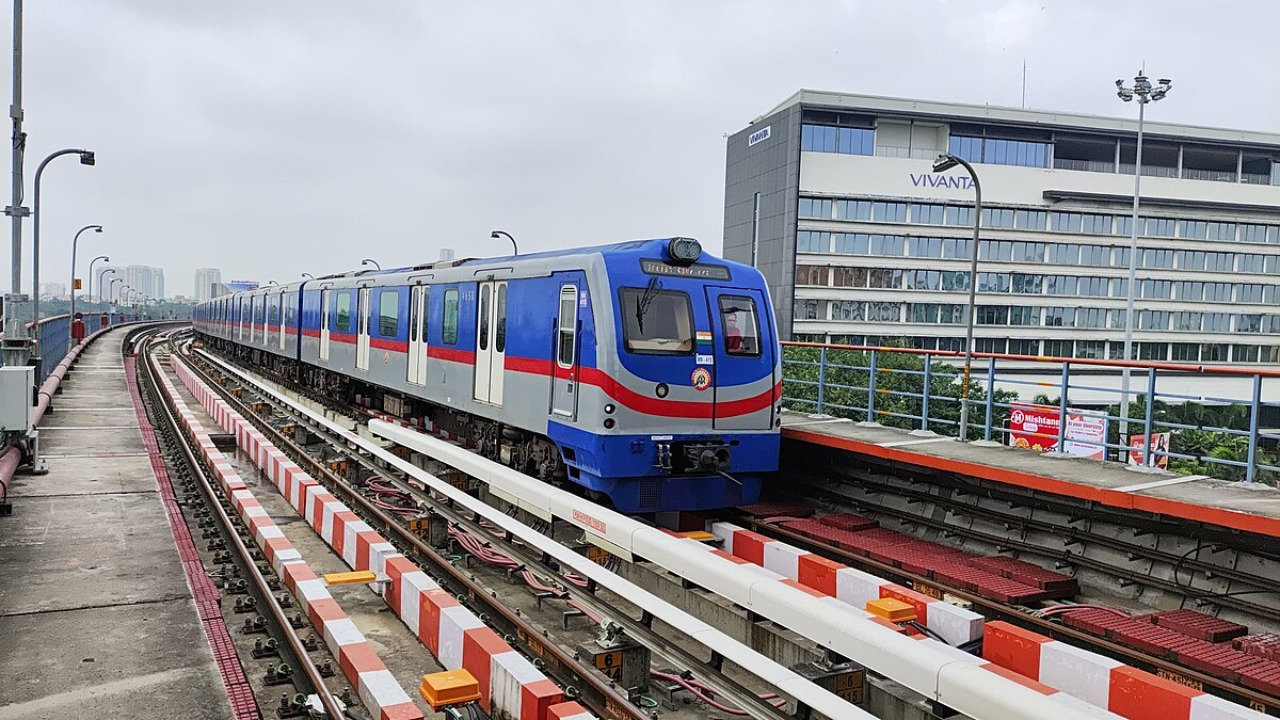


Kolkata Metro: Exploring India’s First Underground System
The Kolkata Metro, India’s first underground railway, is more than just a mode of transport, it’s a symbol of urban transformation. With expanding routes, digital ticketing options, and real-time travel updates via the Kolkata Metro app, the network is becoming smarter and more accessible. From the bustling city center to suburban zones like Barasat, ongoing developments like the Kolkata Metro Yellow Line extension are reshaping how millions commute daily.
Whether it’s checking the Kolkata Metro time table, booking a ticket online, or navigating the Station List, the system is designed for speed, convenience, and modern connectivity.
Kolkata Metro: The Lifeline of the City of Joy
The Kolkata Metro holds the distinction of being India’s first underground railway, with its legacy dating back to 1984. But what makes it unique today is not just its age, it’s the way it continues to evolve with new technology, smoother connectivity, and ambitious expansion plans. From the bustling streets of Esplanade to the calm surroundings of New Garia, the metro system is now an integral part of everyday life, not just for locals but also for travelers from around the world.
Kolkata Metro Route: Connecting the Heart of the City
Spanning over 48 km as of 2025, the Kolkata Metro route includes both underground and elevated stretches. The network is organized under different color-coded lines:
- Blue Line (Line 1): North-South Corridor from Dakshineswar to New Garia
- Green Line (Line 2): East-West Corridor from Sector V to Howrah Maidan
- Purple Line (Line 3): Joka to Esplanade (partially operational)
- Yellow Line (Line 4): Noapara to Barasat via Bimanbandar (under construction)
- Orange Line (Line 6): New Garia to Airport (partially operational)
The Kolkata Metro Orange Line is crucial because it connects the city to the airport, making travel far more convenient for flyers.
Kolkata Metro Station List: Landmarks Across the Route
The Kolkata Metro Station List includes more than 30 fully operational stations, with more in the pipeline. Some key stations include:
-
Esplanade: A major interchange and commercial hub
-
Park Street: Famous for food, shopping, and nightlife
-
Kalighat: Located near the historic Kali temple
-
Salt Lake Sector V: Tech corridor of the East-West line
-
New Garia: Southern terminal for several routes
-
Dakshineswar: A gateway to the iconic Dakshineswar Temple
As newer lines like the Yellow and Orange are completed, this list continues to grow, bringing even remote neighborhoods closer to the city’s heartbeat.
New Construction Update: Yellow Line Extension by ITD Cementation
In a significant infrastructure update, ITD Cementation has bagged the civil construction contract for Kolkata Metro’s Yellow Line extension, covering a 6.87 km stretch from Biman Bandar (Kolkata Airport) to Birati. This underground extension is part of a broader 11.26 km corridor up to Barasat in northeast Kolkata.
Key highlights of the project:
-
Contract Value: ₹1,097.23 crore
-
Deadline: 910 days (Approx. 2.5 years)
-
Scope:
-
3.59 km of underground tunnels
-
Underground metro station at Birati
-
Subway connectivity at Birati and Michael Nagar
-
RCC box tunnel construction near airport using pushing method (no TBMs)
-
Full E&M, power supply, tunnel ventilation, and 750 V DC third rail systems
This initiative is a vital leap in reducing traffic congestion between the airport and North Kolkata, ensuring faster, seamless urban mobility.
How to Use the Kolkata Metro App
One of the smartest ways to navigate the metro is by using their official Metro app. It offers:
-
Real-time metro train schedules
-
Route maps and fare calculators
-
Station details with facilities and interchanges
-
Alerts on delays or maintenance
The app is available for Android and iOS users and is especially useful for tourists unfamiliar with the city.
Kolkata Metro Ticket Online: Skip the Lines
The Kolkata Metro ticket online system allows users to buy tickets using QR codes and smart cards through the official website and the app. With contactless travel becoming more popular post-pandemic, this system is fast, secure, and convenient.
Available options include:
-
Smart Cards (rechargeable, available at all stations)
-
QR code-based tickets (scannable via smartphone)
-
Combo tickets with buses in select zones
Digital ticketing is making the entire process more efficient, especially during peak hours.
Kolkata Metro Time Table: When to Catch the Train
The Kolkata Metro time table varies by line and day of the week. Trains generally start as early as 6:45 AM and run till 10:30 PM. Frequency ranges from every 5 minutes during rush hours to 15 minutes during off-peak times.
Weekday Average Frequency:
-
Blue Line: Every 5–7 minutes
-
Green Line: Every 8–10 minutes
-
Orange & Purple Lines: Every 15–20 minutes (partially operational)
The time table is regularly updated on their app, helping commuters plan their journeys with minimal wait time.
The Vision: A World-Class Urban Metro Experience
With its deep-rooted legacy and continuous upgrades, they aim to deliver a world-class metro experience. Key goals include:
-
Increasing daily ridership beyond 10 lakh commuters
-
Expanding to underserved suburban zones like Barasat, Joka, and Garia
-
Making all stations universally accessible
-
Integrating other urban transport modes (buses, ferries, taxis) for multi-modal connectivity
As infrastructure projects like the Yellow Line extension gain momentum, the city is inching closer to a more inclusive and efficient transport future.
Why It Matters to the U.S. Audience
While Kolkata may seem worlds apart, urban transit systems like this offer learning opportunities for U.S. cities grappling with similar challenges, aging infrastructure, rising population density, and climate concerns. The Kolkata Metro’s low-carbon footprint and focus on affordability make it a case study in sustainable city planning.
Final Thoughts
The Kolkata Metro isn’t just a way to get from point A to B, it’s a symbol of the city’s growth, culture, and ambition. With digital tools like the Kolkata Metro app, seamless their ticket online access, and expanding lines like the Kolkata Metro Orange Line, this metro network is truly redefining what public transport looks like in one of India’s most historic cities.
As the Kolkata Metro route continues to grow and new stations are added to their Station List, one thing is clear, the city is building a smarter, more connected future.
For more on recent transit-related tragedies, a heartbreaking incident in Rawalpindi highlights urgent safety concerns.
'%3e%3crect%20y='0.445312'%20width='48'%20height='48'%20rx='24'%20fill='white'%20fill-opacity='0.5'/%3e%3crect%20x='0.5'%20y='0.945312'%20width='47'%20height='47'%20rx='23.5'%20stroke='%23808080'/%3e%3cpath%20d='M34.625%2024.4453L14%2024.4453'%20stroke='%23808080'%20stroke-width='0.920053'/%3e%3cpath%20d='M23.375%2034.4453L13.375%2024.4453L23.375%2014.4453'%20stroke='%23808080'%20stroke-width='0.920053'/%3e%3c/g%3e%3cdefs%3e%3cfilter%20id='filter0_b_489_44344'%20x='-12'%20y='-11.5547'%20width='72'%20height='72'%20filterUnits='userSpaceOnUse'%20color-interpolation-filters='sRGB'%3e%3cfeFlood%20flood-opacity='0'%20result='BackgroundImageFix'/%3e%3cfeGaussianBlur%20in='BackgroundImageFix'%20stdDeviation='6'/%3e%3cfeComposite%20in2='SourceAlpha'%20operator='in'%20result='effect1_backgroundBlur_489_44344'/%3e%3cfeBlend%20mode='normal'%20in='SourceGraphic'%20in2='effect1_backgroundBlur_489_44344'%20result='shape'/%3e%3c/filter%3e%3c/defs%3e%3c/svg%3e)
'%3e%3crect%20y='0.445312'%20width='48'%20height='48'%20rx='24'%20fill='white'%20fill-opacity='0.5'/%3e%3crect%20x='0.5'%20y='0.945312'%20width='47'%20height='47'%20rx='23.5'%20stroke='%23808080'/%3e%3cpath%20d='M13.375%2024.4453L34%2024.4453'%20stroke='%23808080'%20stroke-width='0.920053'/%3e%3cpath%20d='M24.625%2014.4453L34.625%2024.4453L24.625%2034.4453'%20stroke='%23808080'%20stroke-width='0.920053'/%3e%3c/g%3e%3cdefs%3e%3cfilter%20id='filter0_b_489_44344'%20x='-12'%20y='-11.5547'%20width='72'%20height='72'%20filterUnits='userSpaceOnUse'%20color-interpolation-filters='sRGB'%3e%3cfeFlood%20flood-opacity='0'%20result='BackgroundImageFix'/%3e%3cfeGaussianBlur%20in='BackgroundImageFix'%20stdDeviation='6'/%3e%3cfeComposite%20in2='SourceAlpha'%20operator='in'%20result='effect1_backgroundBlur_489_44344'/%3e%3cfeBlend%20mode='normal'%20in='SourceGraphic'%20in2='effect1_backgroundBlur_489_44344'%20result='shape'/%3e%3c/filter%3e%3c/defs%3e%3c/svg%3e)