
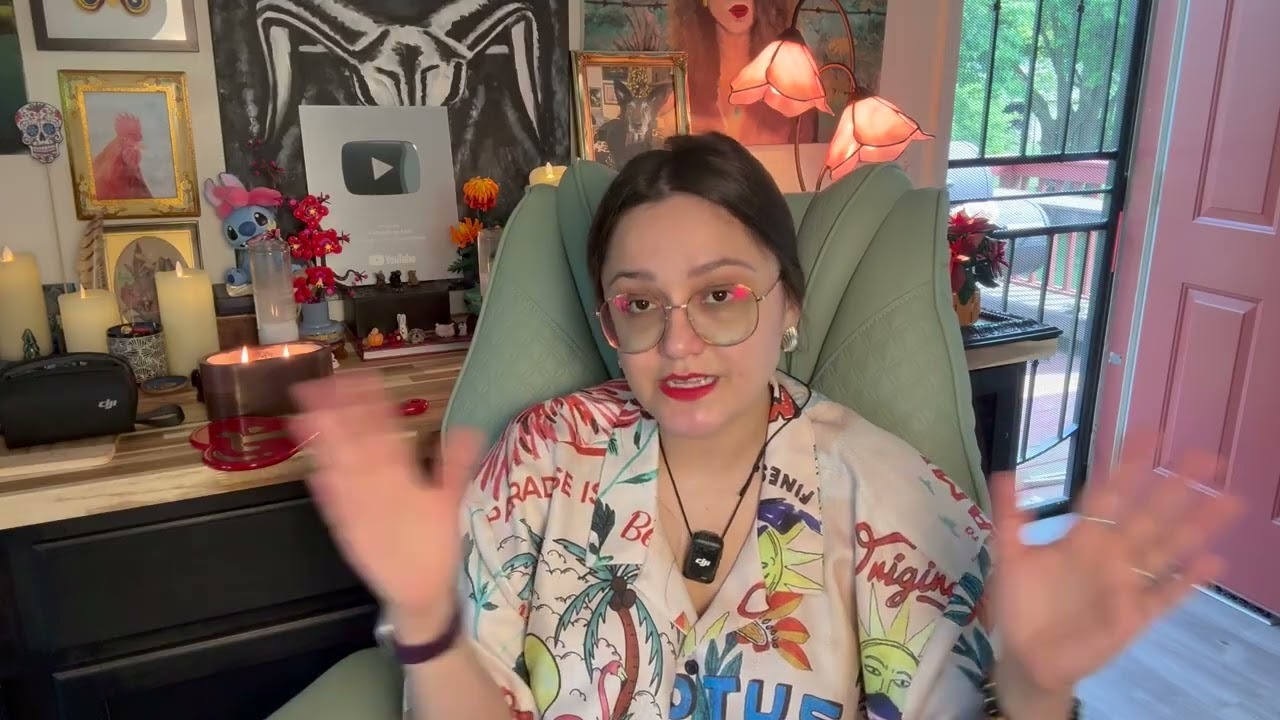


Lupita TikTok Dance Craze Takes Over Social Media Globally
In recent months, Lupita TikTok has become a social media sensation, with millions of users worldwide jumping on the trend. Whether through dance challenges or viral video clips, the name Lupita TikTok is everywhere. The latest craze, sparked by the catchy song “Hay Lupita” by Lomiiel, has taken over TikTok, with users recreating dance routines and sharing their versions of the trend. The question everyone is asking: who is Lupita, and what makes her TikTok so special? This article dives into the origins of the trend, the rise of Lupita, and how the TikTok algorithm propelled this viral moment.
The Rise of Lupita TikTok
As with many viral sensations, Lupita TikTok emerged from the unique blend of music, movement, and the power of social media. It began with a simple yet infectious dance routine to the song “Hay Lupita” by Dominican artist Lomiiel. While the song was released in early 2024, it took off on TikTok within weeks, becoming a part of daily scrolling for millions. Users quickly adapted the dance, making it a worldwide challenge.
From dance moves to lip-sync performances, the Lupita TikTok challenge became a form of self-expression for people everywhere. The song's catchy beat and easy-to-follow choreography made it the perfect content for TikTok’s short-form video format. What set this trend apart from others was how it built on the idea of shared cultural connection. Suddenly, Lupita TikTok wasn’t just a trend – it was a movement.
How the Lupita TikTok Craze Began
To understand why Lupita TikTok took off, we need to look at the origins of the song “Hay Lupita” and the accompanying dance challenge. Written by Lomiiel, a Dominican singer, the track went viral due to its infectious rhythm and relatable lyrics. Lomiiel’s unique style transcended genre boundaries, attracting a wide range of listeners.
As the song gained traction, TikTokers worldwide began adding their own spin to the dance. Its simplicity made it easy for anyone with a smartphone and some rhythm to participate. Soon, people from all walks of life, across various countries, shared their versions of the Lupita TikTok dance.
But who is the face behind the trend? Many were curious about Lupita TikTok real name. It turns out her real name is Lupita González, a rising TikTok star from Mexico, who quickly became a household name within the TikTok community.
Lupita TikTok: Who Is She Really?
Now that the world knows her name, let’s take a closer look at Lupita TikTok. With her infectious energy and charm, Lupita TikTok has become an internet sensation. Her real name, Lupita González, reflects her strong Mexican heritage, which resonates with many. But it’s not just the dance that made her famous—her authenticity and relatable personality have been key to her rise.
At just 21 years old (Lupita TikTok edad), Lupita González has built a brand around her fun-loving persona. What sets her apart is how she interacts with her audience. Unlike many influencers who present a perfect image, Lupita embraces her imperfections, making her more relatable to fans.
Her followers are drawn to her genuineness. In a world of curated content, Lupita TikTok stands out by staying real. Whether sharing behind-the-scenes moments or having fun with friends, her authentic nature shines through in every post.
How Social Media Amplified the Trend
TikTok’s algorithm plays a massive role in making viral trends like Lupita TikTok possible. The app’s ability to recommend content to users based on their preferences means that viral challenges can spread like wildfire. For the Lupita TikTok trend, this meant that the dance and song were consistently appearing on users’ For You pages.
The algorithm doesn’t just rely on how many followers someone has – it amplifies content based on engagement. So, when influencers and ordinary users began sharing their Lupita TikTok dance videos, it wasn’t long before the trend spread across different demographics, regions, and countries. TikTokers from all over the globe were putting their own twist on the dance, which encouraged even more people to participate.
But it’s not just about the algorithm. Influencers played a massive role in the trend’s amplification. Creators with millions of followers showcased the Lupita TikTok dance on their pages, encouraging even more people to take part. The influence of TikTok's top users in boosting trends like Lupita TikTok cannot be overstated.
Countries Where Lupita TikTok Is Trending
Although Lupita TikTok became a global phenomenon, there are some countries where the trend truly took off. Mexico, the United States, Venezuela, and the Dominican Republic have seen the highest levels of engagement with the challenge. This reflects the cultural relevance of the song and dance in these regions.
In Mexico, the trend was particularly impactful, likely due to Lupita’s heritage and the song’s Latin roots. The Lupita TikTok dance became a staple of social gatherings, with people sharing their routines at parties, festivals, and even family gatherings. In the Dominican Republic, the upbeat rhythm of “Hay Lupita” resonated with the Caribbean community, making it an ideal song for TikTokers to engage with. Similarly, Venezuela and the United States have seen their fair share of viral videos, highlighting the song’s global reach.
Final Thoughts: What’s Next for Lupita TikTok?
The Lupita TikTok craze shows no signs of slowing down. With global engagement continuing to rise, the trend is likely to stick around for some time. As with all viral moments, the challenge will eventually fade, but it’s clear that the cultural influence of Lupita TikTok will have a lasting impact.
As more trends emerge, TikTok will continue to be a powerful platform for sharing and amplifying new cultural phenomena. Lupita TikTok may be the star of today, but who knows what tomorrow’s viral sensation will bring? Check out how TikTok is shaping global trends like Lupita TikTok.
'%3e%3crect%20y='0.445312'%20width='48'%20height='48'%20rx='24'%20fill='white'%20fill-opacity='0.5'/%3e%3crect%20x='0.5'%20y='0.945312'%20width='47'%20height='47'%20rx='23.5'%20stroke='%23808080'/%3e%3cpath%20d='M34.625%2024.4453L14%2024.4453'%20stroke='%23808080'%20stroke-width='0.920053'/%3e%3cpath%20d='M23.375%2034.4453L13.375%2024.4453L23.375%2014.4453'%20stroke='%23808080'%20stroke-width='0.920053'/%3e%3c/g%3e%3cdefs%3e%3cfilter%20id='filter0_b_489_44344'%20x='-12'%20y='-11.5547'%20width='72'%20height='72'%20filterUnits='userSpaceOnUse'%20color-interpolation-filters='sRGB'%3e%3cfeFlood%20flood-opacity='0'%20result='BackgroundImageFix'/%3e%3cfeGaussianBlur%20in='BackgroundImageFix'%20stdDeviation='6'/%3e%3cfeComposite%20in2='SourceAlpha'%20operator='in'%20result='effect1_backgroundBlur_489_44344'/%3e%3cfeBlend%20mode='normal'%20in='SourceGraphic'%20in2='effect1_backgroundBlur_489_44344'%20result='shape'/%3e%3c/filter%3e%3c/defs%3e%3c/svg%3e)
'%3e%3crect%20y='0.445312'%20width='48'%20height='48'%20rx='24'%20fill='white'%20fill-opacity='0.5'/%3e%3crect%20x='0.5'%20y='0.945312'%20width='47'%20height='47'%20rx='23.5'%20stroke='%23808080'/%3e%3cpath%20d='M13.375%2024.4453L34%2024.4453'%20stroke='%23808080'%20stroke-width='0.920053'/%3e%3cpath%20d='M24.625%2014.4453L34.625%2024.4453L24.625%2034.4453'%20stroke='%23808080'%20stroke-width='0.920053'/%3e%3c/g%3e%3cdefs%3e%3cfilter%20id='filter0_b_489_44344'%20x='-12'%20y='-11.5547'%20width='72'%20height='72'%20filterUnits='userSpaceOnUse'%20color-interpolation-filters='sRGB'%3e%3cfeFlood%20flood-opacity='0'%20result='BackgroundImageFix'/%3e%3cfeGaussianBlur%20in='BackgroundImageFix'%20stdDeviation='6'/%3e%3cfeComposite%20in2='SourceAlpha'%20operator='in'%20result='effect1_backgroundBlur_489_44344'/%3e%3cfeBlend%20mode='normal'%20in='SourceGraphic'%20in2='effect1_backgroundBlur_489_44344'%20result='shape'/%3e%3c/filter%3e%3c/defs%3e%3c/svg%3e)