


Mass Store Closing: Is Your Favorite Retailer Shutting Down?
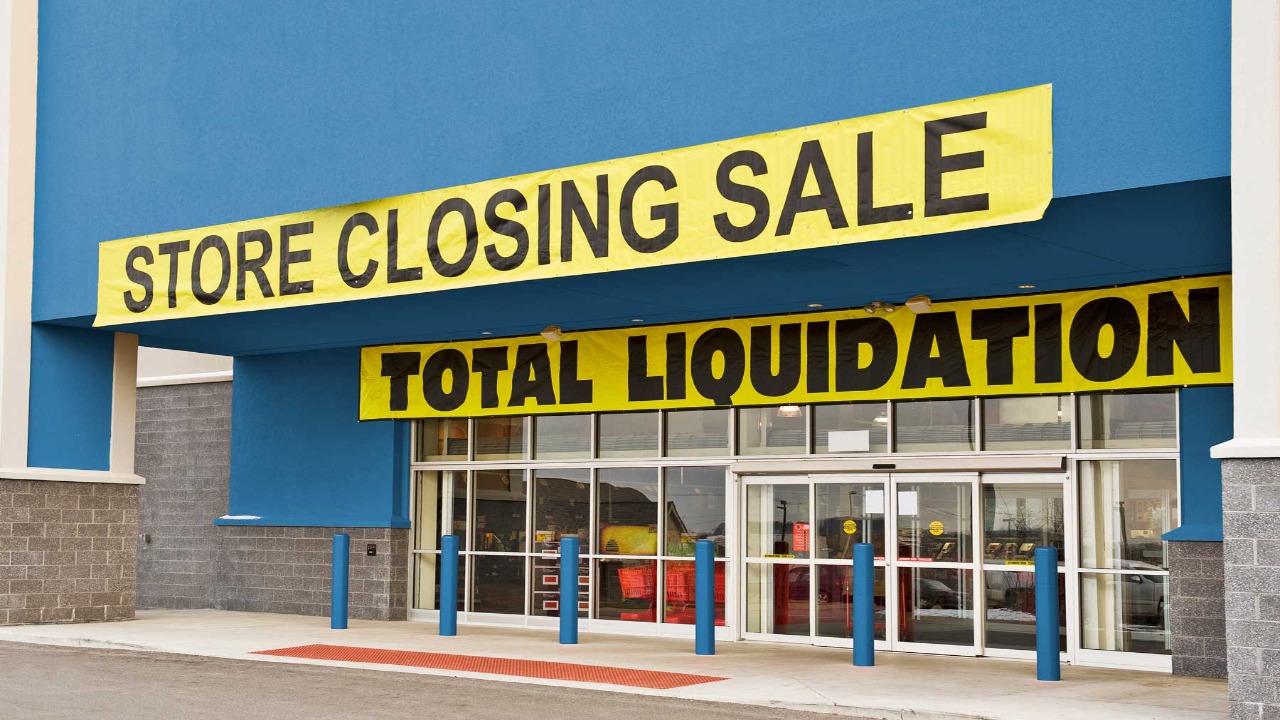
The retail landscape is rapidly shifting, with many well-known brands shutting down stores across the U.S. in 2024 and 2025. Companies like Kohl’s, Macy’s, Walgreens, and CVS have announced plans to downsize, while Joann, a beloved crafts retailer, has confirmed it will be going out of business entirely. These closures, driven by rising costs, shifting consumer habits, and increased competition from e-commerce, raise concerns about the future of brick-and-mortar stores.
Many consumers are left wondering why their favorite stores are disappearing and what this means for the future of retail shopping. While online shopping has increased in popularity, traditional retail remains a crucial part of the economy. Understanding the factors behind these closures can help shoppers prepare for changes in their local shopping experiences.
The Big Picture: Why Are So Many Stores Closing?
The reasons behind these closures are complex but interconnected:
-
Economic Downturn & Inflation: High interest rates, inflation, and supply chain disruptions have increased operational costs for retailers, making it harder to maintain profitability. Many companies are struggling to manage rising labor costs, rent hikes, and the effects of global economic instability.
-
E-commerce & Changing Consumer Behavior: More consumers are shopping online, reducing foot traffic to physical stores. Amazon, Walmart, and Target have capitalized on the online shopping boom, forcing traditional retailers to adapt or risk closure.
-
Fast Fashion & Market Shifts: Traditional retailers struggle to compete with fast-fashion brands and budget-friendly online platforms. Companies like Shein and Temu can rapidly produce trendy products at lower costs, appealing to younger shoppers who prioritize affordability and convenience.
-
Rising Rental Costs: Even successful stores sometimes close due to landlords demanding higher rent. Many urban shopping districts have seen rent prices skyrocket, making it infeasible for some businesses to continue operating in prime locations.
-
Bankruptcies and Restructuring: Some retailers are using bankruptcy filings as a strategy to reduce debt and eliminate unprofitable locations. This trend allows companies to stay in business but often leads to widespread store closures.
List of Major Retailers Closing Stores in 2024
Several major chains are significantly downsizing or shutting down completely:
-
Big Lots stores closing – Rumors circulated about Big Lots closing all stores, but the retailer is selectively shutting down underperforming locations to cut costs and improve financial stability.
-
Family Dollar stores closing – Parent company Dollar Tree is closing multiple Family Dollar locations due to financial struggles and declining foot traffic. The company has faced increased competition from discount giants like Walmart and Aldi.
-
Dollar Tree Family Dollar stores closing – Some Dollar Tree locations are also shutting down as part of corporate restructuring efforts. Rising supplier costs and a shift in consumer spending habits have contributed to these closures.
-
Joann’s 800-store shutdown – After 80 years in business, Joann is officially closing all its stores nationwide. The company struggled to recover from declining sales and changing market trends, particularly as e-commerce options for crafting supplies have become more prevalent.
-
Liberated Brands bankruptcy – This includes brands like Volcom, Billabong, Quiksilver, and RVCA, all of which are closing U.S. retail locations. The company cited intense competition from fast-fashion retailers and financial pressure from rising operational costs as key reasons for the closures.
-
Kohl’s and Macy’s downsizing – Both department store giants have announced store closures, aiming to focus on more profitable locations. Department stores have been particularly vulnerable to the rise of e-commerce and shifting consumer preferences toward specialty and discount retailers.
What Stores Are Closing in 2024 USA?
According to a report from Coresight Research, 15,000 stores are expected to close in 2025, following the 7,325 store closures recorded in 2024. This number represents the highest rate of store closures since the pandemic-driven retail crisis of 2020.
Some of the hardest-hit areas include major metropolitan cities and rural communities where retail chains are struggling to remain profitable. Urban areas are seeing a decline in foot traffic as more people choose online shopping, while rural areas are losing stores due to population decline and reduced spending power.
What This Means for Consumers
The mass closure of retail stores has a ripple effect on shoppers and local economies:
-
Fewer Shopping Options: Consumers in affected areas will need to travel farther for goods and services. In some cases, entire shopping malls are becoming vacant due to multiple store closures.
-
Job Losses: Store closures result in layoffs, impacting thousands of retail employees. Many retail workers are forced to find new employment, often in different industries due to a shrinking job market in brick-and-mortar retail.
-
Shift to Online Shopping: As physical stores shut down, more consumers are turning to Amazon, Walmart, and other e-commerce platforms. This shift is leading to an increased reliance on online shopping, forcing traditional retailers to invest heavily in digital strategies.
-
Impact on Small Businesses: Independent stores near closing big-box retailers may struggle with decreased foot traffic. Many small business owners rely on the presence of large retailers to attract customers to their areas, and their closures can lead to economic downturns in local communities.
-
The Evolution of Shopping Malls: Traditional malls are struggling to retain tenants as anchor stores like Macy’s and JCPenney close locations. Some malls are transforming into mixed-use spaces featuring offices, entertainment centers, and residential areas to stay relevant.
How Retailers Are Adapting
While many stores are closing, others are finding ways to survive and even thrive in the new retail landscape. Some strategies include:
-
Expanding Online Presence: More retailers are focusing on e-commerce and offering exclusive online discounts to attract digital shoppers.
-
Smaller Store Formats: Companies like Target and Best Buy are testing smaller store models to reduce overhead costs while maintaining physical locations.
-
Subscription Services & Loyalty Programs: Businesses are incentivizing customer retention through membership models and personalized rewards.
-
Omnichannel Strategies: Retailers are integrating physical and digital shopping experiences, allowing consumers to order online and pick up in-store.
Conclusion
The wave of store closures is reshaping the retail industry, with traditional brick-and-mortar locations facing intense pressure from digital competitors. While some stores are adapting to these changes, others are struggling to survive. As businesses adjust to changing market conditions, consumers should stay informed about which stores are shutting down and how it may affect their shopping habits.
For more deeper dive into this evolving retail trend, check out our in-depth analysis on potential Ukraine ceasefire.
'%3e%3crect%20y='0.445312'%20width='48'%20height='48'%20rx='24'%20fill='white'%20fill-opacity='0.5'/%3e%3crect%20x='0.5'%20y='0.945312'%20width='47'%20height='47'%20rx='23.5'%20stroke='%23808080'/%3e%3cpath%20d='M34.625%2024.4453L14%2024.4453'%20stroke='%23808080'%20stroke-width='0.920053'/%3e%3cpath%20d='M23.375%2034.4453L13.375%2024.4453L23.375%2014.4453'%20stroke='%23808080'%20stroke-width='0.920053'/%3e%3c/g%3e%3cdefs%3e%3cfilter%20id='filter0_b_489_44344'%20x='-12'%20y='-11.5547'%20width='72'%20height='72'%20filterUnits='userSpaceOnUse'%20color-interpolation-filters='sRGB'%3e%3cfeFlood%20flood-opacity='0'%20result='BackgroundImageFix'/%3e%3cfeGaussianBlur%20in='BackgroundImageFix'%20stdDeviation='6'/%3e%3cfeComposite%20in2='SourceAlpha'%20operator='in'%20result='effect1_backgroundBlur_489_44344'/%3e%3cfeBlend%20mode='normal'%20in='SourceGraphic'%20in2='effect1_backgroundBlur_489_44344'%20result='shape'/%3e%3c/filter%3e%3c/defs%3e%3c/svg%3e)
'%3e%3crect%20y='0.445312'%20width='48'%20height='48'%20rx='24'%20fill='white'%20fill-opacity='0.5'/%3e%3crect%20x='0.5'%20y='0.945312'%20width='47'%20height='47'%20rx='23.5'%20stroke='%23808080'/%3e%3cpath%20d='M13.375%2024.4453L34%2024.4453'%20stroke='%23808080'%20stroke-width='0.920053'/%3e%3cpath%20d='M24.625%2014.4453L34.625%2024.4453L24.625%2034.4453'%20stroke='%23808080'%20stroke-width='0.920053'/%3e%3c/g%3e%3cdefs%3e%3cfilter%20id='filter0_b_489_44344'%20x='-12'%20y='-11.5547'%20width='72'%20height='72'%20filterUnits='userSpaceOnUse'%20color-interpolation-filters='sRGB'%3e%3cfeFlood%20flood-opacity='0'%20result='BackgroundImageFix'/%3e%3cfeGaussianBlur%20in='BackgroundImageFix'%20stdDeviation='6'/%3e%3cfeComposite%20in2='SourceAlpha'%20operator='in'%20result='effect1_backgroundBlur_489_44344'/%3e%3cfeBlend%20mode='normal'%20in='SourceGraphic'%20in2='effect1_backgroundBlur_489_44344'%20result='shape'/%3e%3c/filter%3e%3c/defs%3e%3c/svg%3e)