
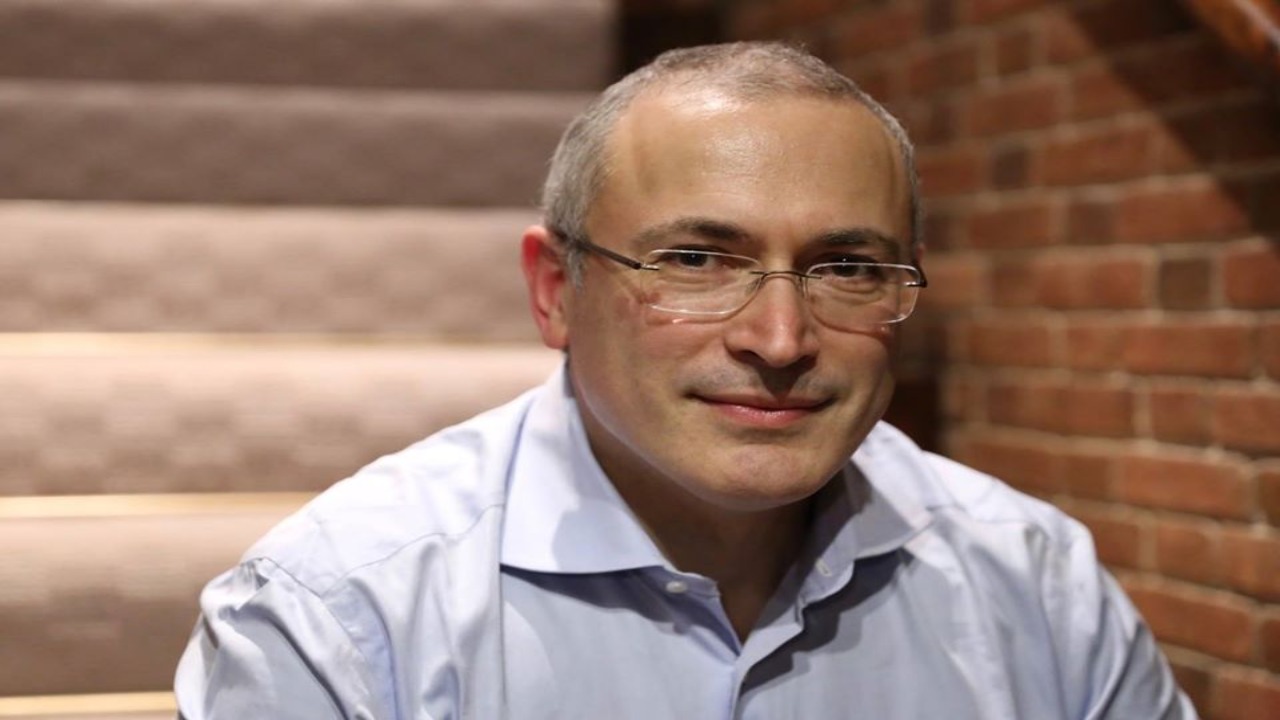


Mikhail Khodorkovsky: The Billionaire Who Dared to Challenge Putin
Mikhail Khodorkovsky is one of the most well-known and controversial figures in modern Russian history. Once one of the wealthiest men in Russia, Khodorkovs has transformed from a powerful oil tycoon to a fierce critic of the Russian government. Today, he lives in London and speaks out against corruption and authoritarianism in Russia.
This article provides a closer examination of Khodorkovsky's life, rise, fall, and activism. It also offers fresh insight into his motivations, struggles, and the impact he continues to make on global politics.
Who is Mikhail Khodorkovsky?
Mikhail Khodorkovsky, full name Mikhail Borisovich Khodorkovsky, was born on June 26, 1963, in Moscow. He studied chemical engineering and later earned degrees in economics and business. During the fall of the Soviet Union, the Khodorkovs began building a fortune by seizing new business opportunities in the free market.
By the late 1990s, he became one of Russia’s wealthiest oligarchs. He owned Yukos Oil, once the largest oil company in Russia. At his peak, his net worth was estimated at over $15 billion.
But Khodorkovs was not just a businessman. He also became a public figure with political ambitions. That move would soon cost him everything.
The Rise of Yukos and the Oligarch Era
Following the collapse of the USSR, Russia privatized many of its state-owned industries. This led to the rise of oligarchs who bought state assets at extremely low prices. Mikhail Khodorkovsky was one of them.
He founded Bank Menatep in the early 1990s and used it to gain control of Yukos Oil in 1995 during a privatization auction. Under his leadership, Yukos became highly profitable and modernized its operations. Khodorkovs was praised for running the company more like a Western business than a Soviet one.
But with great wealth came great power. That made the Kremlin nervous.
Khodorkovsky vs. Putin: A Dangerous Rivalry
In the early 2000s, Mikhail Khodorkovsky began funding opposition parties in Russia. He also criticized government corruption and pushed for democratic reforms. These actions were seen as a direct challenge to President Vladimir Putin.
In 2003, Khodorkovsky was arrested on charges of fraud and tax evasion. Yukos was later hit with massive tax claims and was broken apart by the state. Many believe the charges were politically motivated. Khodorkovsky spent nearly ten years in prison.
His case became a global symbol of political repression in Russia. Human rights groups, Western leaders, and activists around the world spoke out against his imprisonment.
Life in Prison and Personal Transformation
Khodorkovsky entered prison as a powerful oligarch. He left as something different. During his time behind bars, he reflected on his role in Russia’s flawed economic transition. He also wrote essays and letters criticizing authoritarian rule.
He acknowledged that the system that had made him rich was flawed. He began to see his role not as a businessman but as a fighter for political change. This shift changed how the world viewed him.
Release and Life in Exile
In December 2013, President Putin unexpectedly pardoned Khodorkovs. Some say it was a public relations move ahead of the 2014 Winter Olympics in Sochi. After his release, Khodorkovsky left Russia and settled in London.
Since then, he has become an outspoken critic of the Kremlin. He founded the Open Russia movement to promote democracy, human rights, and civil society in Russia. Although the Russian government has banned the group, Khodorkovsky continues his work from abroad.
Why Mikhail Khodorkovsky Still Matters
Khodorkovsky is more than just a former billionaire. He is a symbol of what happens when wealth, power, and politics collide in authoritarian regimes. His life shows how quickly fortunes can turn and how standing up to power comes at a high cost.
Even from exile, Khodorkovsky has influence. He funds independent journalism, supports Russian dissidents, and speaks regularly at international forums. His insights help Western audiences understand the inner workings of the Russian elite and Putin’s regime.
He also offers a rare voice of hope for a more open and democratic Russia, even if that goal seems far away today.
The West’s View of Khodorkovsky
In the United States and Europe, Mikhail Khodorkovsky is often seen as a political martyr. He has met with leaders, testified before lawmakers, and shared strategies on how to counter Russian aggression. He could play a key role in shaping a future Russia that is freer and fairer.
Still, some critics argue that Khodorkovs was part of the corrupt system before turning against it. They point out that he only became a reformer after losing power. But even his critics agree that he has paid a steep price and evolved into a meaningful voice for change.
Final Thoughts
Khodorkovsky is a complex figure. He is not perfect, and his past raises valid questions. But his journey from oligarch to prisoner to activist is both inspiring and essential. In a time when many are afraid to speak out, Khodorkovsky continues to use his voice to call for justice and reform.
For people in the United States trying to understand Russia beyond headlines, Mikhail Khodorkovsky offers valuable insight. He reminds us that the battle for democracy is global and that courage can come from the most unexpected places. As Russia continues to dominate world news, voices like Khodorkovsky's are more vital than ever.
In other news, a tragic discovery in Karachi has shocked the entertainment industry. Actress Humaira Asghar was found dead in her apartment after weeks.
'%3e%3crect%20y='0.445312'%20width='48'%20height='48'%20rx='24'%20fill='white'%20fill-opacity='0.5'/%3e%3crect%20x='0.5'%20y='0.945312'%20width='47'%20height='47'%20rx='23.5'%20stroke='%23808080'/%3e%3cpath%20d='M34.625%2024.4453L14%2024.4453'%20stroke='%23808080'%20stroke-width='0.920053'/%3e%3cpath%20d='M23.375%2034.4453L13.375%2024.4453L23.375%2014.4453'%20stroke='%23808080'%20stroke-width='0.920053'/%3e%3c/g%3e%3cdefs%3e%3cfilter%20id='filter0_b_489_44344'%20x='-12'%20y='-11.5547'%20width='72'%20height='72'%20filterUnits='userSpaceOnUse'%20color-interpolation-filters='sRGB'%3e%3cfeFlood%20flood-opacity='0'%20result='BackgroundImageFix'/%3e%3cfeGaussianBlur%20in='BackgroundImageFix'%20stdDeviation='6'/%3e%3cfeComposite%20in2='SourceAlpha'%20operator='in'%20result='effect1_backgroundBlur_489_44344'/%3e%3cfeBlend%20mode='normal'%20in='SourceGraphic'%20in2='effect1_backgroundBlur_489_44344'%20result='shape'/%3e%3c/filter%3e%3c/defs%3e%3c/svg%3e)
'%3e%3crect%20y='0.445312'%20width='48'%20height='48'%20rx='24'%20fill='white'%20fill-opacity='0.5'/%3e%3crect%20x='0.5'%20y='0.945312'%20width='47'%20height='47'%20rx='23.5'%20stroke='%23808080'/%3e%3cpath%20d='M13.375%2024.4453L34%2024.4453'%20stroke='%23808080'%20stroke-width='0.920053'/%3e%3cpath%20d='M24.625%2014.4453L34.625%2024.4453L24.625%2034.4453'%20stroke='%23808080'%20stroke-width='0.920053'/%3e%3c/g%3e%3cdefs%3e%3cfilter%20id='filter0_b_489_44344'%20x='-12'%20y='-11.5547'%20width='72'%20height='72'%20filterUnits='userSpaceOnUse'%20color-interpolation-filters='sRGB'%3e%3cfeFlood%20flood-opacity='0'%20result='BackgroundImageFix'/%3e%3cfeGaussianBlur%20in='BackgroundImageFix'%20stdDeviation='6'/%3e%3cfeComposite%20in2='SourceAlpha'%20operator='in'%20result='effect1_backgroundBlur_489_44344'/%3e%3cfeBlend%20mode='normal'%20in='SourceGraphic'%20in2='effect1_backgroundBlur_489_44344'%20result='shape'/%3e%3c/filter%3e%3c/defs%3e%3c/svg%3e)