
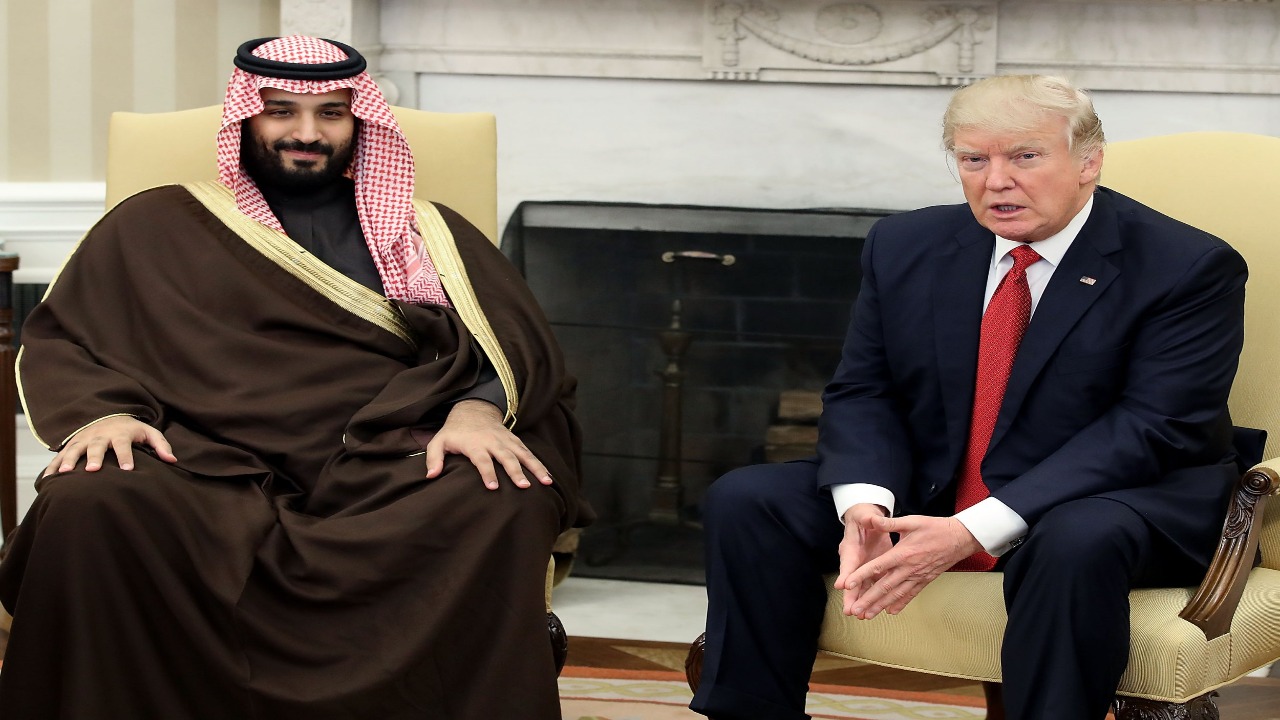


Mohammed Bin Salman: The Rise of a Bold Leader Reshaping Saudi Arabia & Global Ties
Who is Mohammed Bin Salman?
Mohammed Bin Salman, widely known as MBS, is the Crown Prince and de facto ruler of Saudi Arabia. Born on August 31, 1985, he is the son of King Salman bin Abdulaziz Al Saud. As the next in line to the throne, he has become the face of a new era in Saudi politics, young, ambitious, and unafraid to challenge decades of tradition.
He is often viewed as a bold reformer, pushing the conservative kingdom into modern times. From allowing women to drive to restructuring the economy through his Vision 2030 plan, MBS has made global headlines for his sweeping reforms.
Mohammed Bin Salman's Vision for a Modern Saudi Arabia
The core of MBS’s ambition is Vision 2030, a national plan to diversify Saudi Arabia's economy away from oil. This involves investing in tourism, renewable energy, entertainment, and technology. Projects like NEOM, a $500 billion futuristic city, show how serious he is about changing the country’s future.
His plan is not just about business. It’s also about opening up Saudi society. Cinemas are back. Women are part of the workforce. And the kingdom is becoming a global tourist destination.
These changes are fast, bold, and sometimes controversial. But to many, they are signs of a leader who understands the future and wants his nation to be part of it.
Mohammed Bin Salman Net Worth: What Does the Crown Prince Own?
Many Americans are curious about the Mohammed bin Salman net worth. Though exact numbers are hard to confirm, his personal wealth is estimated to be in the billions.
In 2015, reports surfaced of MBS purchasing a French château for over $300 million. He also owns a $500 million yacht and rare artwork, including a Leonardo da Vinci painting believed to have sold for over $450 million. But his influence and access to Saudi wealth through the Public Investment Fund make him more than just rich, he is financially powerful on a global scale.
A Look Into His Private Life: Sara bint Mashour Al Saud
While MBS keeps much of his personal life private, it is known that he is married to Sara bint Mashour Al Saud, a member of the royal family. They reportedly have several children together. Sara is known to stay out of the public eye, but her position reflects the royal family’s deep roots and traditions.
Though she does not play an active role in politics or public life, Sara's marriage to MBS keeps the lineage strong and symbolizes unity within the House of Saud.
Trump and Mohammed Bin Salman: A Strategic Relationship
One of the most eye-catching international stories was the friendship and strategic cooperation between Trump and Mohammed bin Salman. During President Donald Trump's term, the two leaders shared a close and practical relationship, focused on economic growth and shared security goals.
In 2025, this connection led to a historic moment. Trump and MBS signed multiple agreements, including a staggering $142 billion arms deal, the largest in U.S. history. But the cooperation didn't stop there.
The $600 Billion Deal: A Turning Point
On May 13, 2025, in Riyadh, Trump and Mohammed Bin Salman met during the president’s Middle East visit. The meeting wasn’t just symbolic, it was strategic. MBS committed $600 billion in Saudi investments into the U.S. across sectors like defense, energy, culture, and infrastructure.
Trump praised the deal, stating, “I really believe we like each other a lot,” during a press appearance. The ceremony was filled with traditional Arabic hospitality, but the outcomes were all business.
This massive investment not only helped create U.S. jobs but also reinforced Saudi Arabia as a reliable ally. MBS gained recognition as a leader who could build bridges with the West, especially with powerful figures like Trump.
The result? A stronger U.S.-Saudi partnership and a deeper presence for Saudi investment in American industries.
Mohammed Bin Salman and His Role on the Global Stage
While MBS is transforming Saudi Arabia, he is also shaping global diplomacy. His policies on oil production affect gas prices worldwide. His voice matters in discussions about Iran, Israel, Yemen, and the broader Middle East.
He is also seen as a key figure in stabilizing the region. Despite criticism over human rights, MBS continues to position himself as a modern leader who can work with world powers, including the U.S., China, and Russia.
The Controversies That Won’t Go Away
Despite his accomplishments, Mohammed Bin Salman’s name has been linked to major controversies. The most well-known is the murder of journalist Jamal Khashoggi in 2018. U.S. intelligence agencies believe MBS approved the operation, though he denies involvement.
He has also been criticized for jailing critics and activists, especially women who demanded the very freedoms his government later allowed. These contradictions have made him a complicated figure in international politics.
Still, many believe that his long-term impact could outweigh these setbacks if he continues with reforms and stabilizes the region.
A Leader Balancing Tradition and Innovation
One of MBS’s biggest challenges is balancing progress with tradition. While many young Saudis support his modern ideas, conservative voices remain powerful. His ability to bring change without losing cultural identity will define his success.
He has shown he can work with different leaders, Trump and Mohammed bin Salman were an unlikely duo, yet highly effective together. This shows MBS's ability to adapt, negotiate, and push forward on the global stage.
Final Thoughts: Why Mohammed Bin Salman Matters to the U.S.
For the United States, Mohammed Bin Salman is more than just a foreign leader. He represents both opportunity and complexity. His economic plans bring investments. His leadership offers a chance at regional peace. But his controversies also demand careful diplomacy.
With strong ties to major U.S. figures like Donald Trump and a commitment to economic transformation, MBS is likely to remain an important player for years to come.
Despite rising tensions in the region, Saudi Arabia has made it clear that it will not use oil as a weapon to achieve a ceasefire in Gaza, maintaining a strategic and measured stance. Read more here.
'%3e%3crect%20y='0.445312'%20width='48'%20height='48'%20rx='24'%20fill='white'%20fill-opacity='0.5'/%3e%3crect%20x='0.5'%20y='0.945312'%20width='47'%20height='47'%20rx='23.5'%20stroke='%23808080'/%3e%3cpath%20d='M34.625%2024.4453L14%2024.4453'%20stroke='%23808080'%20stroke-width='0.920053'/%3e%3cpath%20d='M23.375%2034.4453L13.375%2024.4453L23.375%2014.4453'%20stroke='%23808080'%20stroke-width='0.920053'/%3e%3c/g%3e%3cdefs%3e%3cfilter%20id='filter0_b_489_44344'%20x='-12'%20y='-11.5547'%20width='72'%20height='72'%20filterUnits='userSpaceOnUse'%20color-interpolation-filters='sRGB'%3e%3cfeFlood%20flood-opacity='0'%20result='BackgroundImageFix'/%3e%3cfeGaussianBlur%20in='BackgroundImageFix'%20stdDeviation='6'/%3e%3cfeComposite%20in2='SourceAlpha'%20operator='in'%20result='effect1_backgroundBlur_489_44344'/%3e%3cfeBlend%20mode='normal'%20in='SourceGraphic'%20in2='effect1_backgroundBlur_489_44344'%20result='shape'/%3e%3c/filter%3e%3c/defs%3e%3c/svg%3e)
'%3e%3crect%20y='0.445312'%20width='48'%20height='48'%20rx='24'%20fill='white'%20fill-opacity='0.5'/%3e%3crect%20x='0.5'%20y='0.945312'%20width='47'%20height='47'%20rx='23.5'%20stroke='%23808080'/%3e%3cpath%20d='M13.375%2024.4453L34%2024.4453'%20stroke='%23808080'%20stroke-width='0.920053'/%3e%3cpath%20d='M24.625%2014.4453L34.625%2024.4453L24.625%2034.4453'%20stroke='%23808080'%20stroke-width='0.920053'/%3e%3c/g%3e%3cdefs%3e%3cfilter%20id='filter0_b_489_44344'%20x='-12'%20y='-11.5547'%20width='72'%20height='72'%20filterUnits='userSpaceOnUse'%20color-interpolation-filters='sRGB'%3e%3cfeFlood%20flood-opacity='0'%20result='BackgroundImageFix'/%3e%3cfeGaussianBlur%20in='BackgroundImageFix'%20stdDeviation='6'/%3e%3cfeComposite%20in2='SourceAlpha'%20operator='in'%20result='effect1_backgroundBlur_489_44344'/%3e%3cfeBlend%20mode='normal'%20in='SourceGraphic'%20in2='effect1_backgroundBlur_489_44344'%20result='shape'/%3e%3c/filter%3e%3c/defs%3e%3c/svg%3e)