
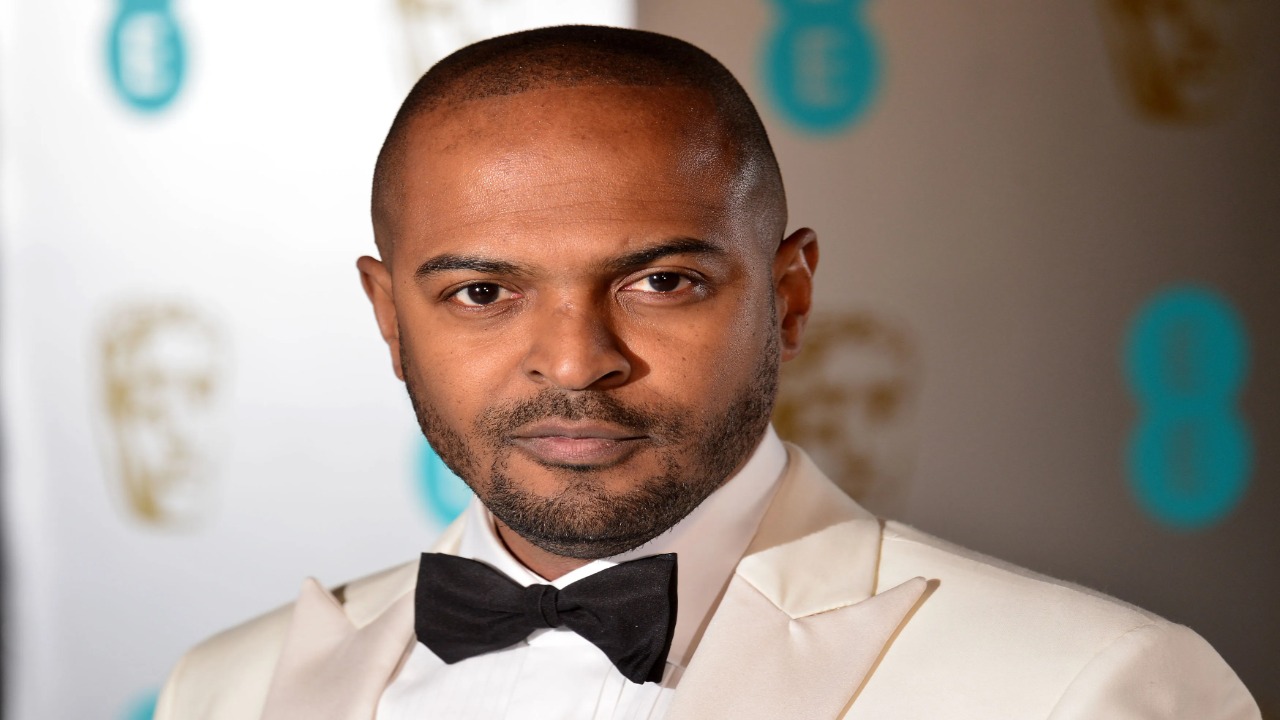


Noel Clarke: The Actor's Fight for Justice in the Face of Allegations
For years, Noel Clarke was a prominent figure in British cinema and television, known for his roles in Doctor Who and urban dramas such as Kidulthood, Adulthood, and Brotherhood. As an actor, director, and writer, he played a significant role in shaping narratives that resonated with a generation.
However, in 2021, Clarke became the subject of controversy when The Guardian published allegations against him, accusing him of sexually inappropriate behavior. The allegations led to severe consequences for his career, and now, in 2025, he is engaged in a high-profile legal battle against the newspaper, seeking to restore his reputation.
The Rise and Fall of Noel Clarke’s Career
Noel Clarke built a career based on breaking barriers in an industry often criticized for its lack of diversity. His work in cinema and television helped amplify underrepresented voices, making him a key figure in British entertainment. Clarke’s contributions were widely recognized, and his films achieved both critical and commercial success.
However, the allegations published by The Guardian in 2021 changed the trajectory of his career. The newspaper reported that multiple women had accused Clarke of misconduct, leading to widespread backlash. Clarke denied the allegations, but the impact was immediate.
BAFTA suspended his membership and revoked his Outstanding British Contribution to Cinema Award. Major production companies distanced themselves, and ongoing projects were shelved. His production company also faced setbacks, and he was removed from various professional commitments.
Clarke’s career, once thriving, came to a halt as he faced public scrutiny. The entertainment industry largely distanced itself from him, and his name became synonymous with controversy rather than his body of work. The legal battle that followed would become his attempt to fight back against the allegations that derailed his professional life.
The Legal Battle Against The Guardian
In 2025, Clarke initiated legal proceedings against The Guardian, accusing the newspaper of defamation. The case is centered on the claim that the publication’s reporting was false and that it caused irreparable damage to his reputation and career. Clarke has argued in court that the accusations were unfounded and that The Guardian was responsible for destroying his livelihood.
During the trial, Clarke was questioned about specific allegations, including claims of inappropriate conduct on the set of Doctor Who. One of the accusations involved an alleged sexual remark made to a female costume assistant, which Clarke denied, stating, “I don’t remember that incident... so I say it didn’t happen.”
Another allegation referenced an alleged physical incident with a woman he worked with before a major project. Clarke strongly refuted the claim, asserting that the woman’s continued communication with him over the years contradicted her accusations. “I’m sitting here having sworn on the Bible, and I’m telling you she’s lying,” he stated in court.
Clarke has also emphasized the broader impact of the accusations, stating that his ability to work in the industry has been significantly hindered. He has argued that The Guardian’s reporting effectively blacklisted him, preventing him from securing roles and funding for projects. The case has drawn significant media attention, with legal experts suggesting that its outcome could have major implications for both journalism and the entertainment industry.
The Wider Implications of the Trial
The legal battle between Noel Clarke and The Guardian has sparked discussions about the role of the press, accountability, and the long-term impact of public allegations. The case highlights broader concerns regarding how the media handles allegations of misconduct and whether due process is being observed in cases where reputations are at stake.
This trial is not just about Clarke’s career, it raises questions about the responsibilities of media organizations when reporting on sensitive issues. Supporters of Clarke argue that unverified allegations can have devastating effects on individuals’ lives and careers, especially in the entertainment industry, where reputation is a critical factor.
Others believe that the press plays a vital role in exposing misconduct and ensuring that allegations are brought to light. The case has reignited debates on the balance between investigative journalism and the rights of individuals accused of wrongdoing.
In the current climate, where allegations can lead to immediate professional consequences, the Clarke trial may set a precedent for how similar cases are handled in the future. Legal analysts have noted that if Clarke succeeds in his defamation claim, it could influence how media outlets report on allegations and the level of evidence required before publishing such claims.
The Future of Noel Clarke’s Career
Regardless of the trial’s outcome, Clarke’s future in the industry remains uncertain. The damage to his career has been significant, and even if he wins the case, rebuilding his professional reputation may prove to be a challenge. The entertainment industry has historically been slow to reintegrate figures who have been publicly accused of misconduct, regardless of legal outcomes.
If Clarke is successful in his legal battle, he may attempt to return to filmmaking and acting, but it remains unclear whether production companies and studios will be willing to work with him again. Public perception plays a crucial role in the entertainment business, and regaining trust could be an uphill battle.
If the court rules in favor of The Guardian, the case could reinforce the notion that media organizations have a duty to report on allegations of misconduct, regardless of the impact on the accused. Such a ruling would likely embolden investigative journalism while reinforcing the idea that the press has a responsibility to uncover potential wrongdoing.
Conclusion
As the legal proceedings continue, the outcome of Clarke’s lawsuit against The Guardian remains uncertain. His case underscores the complexities of allegations in the entertainment industry, the power of the press, and the potential consequences of media reporting. The trial could serve as a landmark case in determining how allegations of misconduct are handled by both the media and the legal system.
The broader implications of this case extend beyond Clarke himself. It is a test of how society navigates accusations, due process, and the lasting effects of public scrutiny. Whether Clarke emerges victorious in court or not, the trial is likely to influence discussions on media responsibility, fairness, and the future of those accused in the public sphere.
Read More: Roshni Nadar: The Journey of India’s Third Richest Individual
'%3e%3crect%20y='0.445312'%20width='48'%20height='48'%20rx='24'%20fill='white'%20fill-opacity='0.5'/%3e%3crect%20x='0.5'%20y='0.945312'%20width='47'%20height='47'%20rx='23.5'%20stroke='%23808080'/%3e%3cpath%20d='M34.625%2024.4453L14%2024.4453'%20stroke='%23808080'%20stroke-width='0.920053'/%3e%3cpath%20d='M23.375%2034.4453L13.375%2024.4453L23.375%2014.4453'%20stroke='%23808080'%20stroke-width='0.920053'/%3e%3c/g%3e%3cdefs%3e%3cfilter%20id='filter0_b_489_44344'%20x='-12'%20y='-11.5547'%20width='72'%20height='72'%20filterUnits='userSpaceOnUse'%20color-interpolation-filters='sRGB'%3e%3cfeFlood%20flood-opacity='0'%20result='BackgroundImageFix'/%3e%3cfeGaussianBlur%20in='BackgroundImageFix'%20stdDeviation='6'/%3e%3cfeComposite%20in2='SourceAlpha'%20operator='in'%20result='effect1_backgroundBlur_489_44344'/%3e%3cfeBlend%20mode='normal'%20in='SourceGraphic'%20in2='effect1_backgroundBlur_489_44344'%20result='shape'/%3e%3c/filter%3e%3c/defs%3e%3c/svg%3e)
'%3e%3crect%20y='0.445312'%20width='48'%20height='48'%20rx='24'%20fill='white'%20fill-opacity='0.5'/%3e%3crect%20x='0.5'%20y='0.945312'%20width='47'%20height='47'%20rx='23.5'%20stroke='%23808080'/%3e%3cpath%20d='M13.375%2024.4453L34%2024.4453'%20stroke='%23808080'%20stroke-width='0.920053'/%3e%3cpath%20d='M24.625%2014.4453L34.625%2024.4453L24.625%2034.4453'%20stroke='%23808080'%20stroke-width='0.920053'/%3e%3c/g%3e%3cdefs%3e%3cfilter%20id='filter0_b_489_44344'%20x='-12'%20y='-11.5547'%20width='72'%20height='72'%20filterUnits='userSpaceOnUse'%20color-interpolation-filters='sRGB'%3e%3cfeFlood%20flood-opacity='0'%20result='BackgroundImageFix'/%3e%3cfeGaussianBlur%20in='BackgroundImageFix'%20stdDeviation='6'/%3e%3cfeComposite%20in2='SourceAlpha'%20operator='in'%20result='effect1_backgroundBlur_489_44344'/%3e%3cfeBlend%20mode='normal'%20in='SourceGraphic'%20in2='effect1_backgroundBlur_489_44344'%20result='shape'/%3e%3c/filter%3e%3c/defs%3e%3c/svg%3e)