
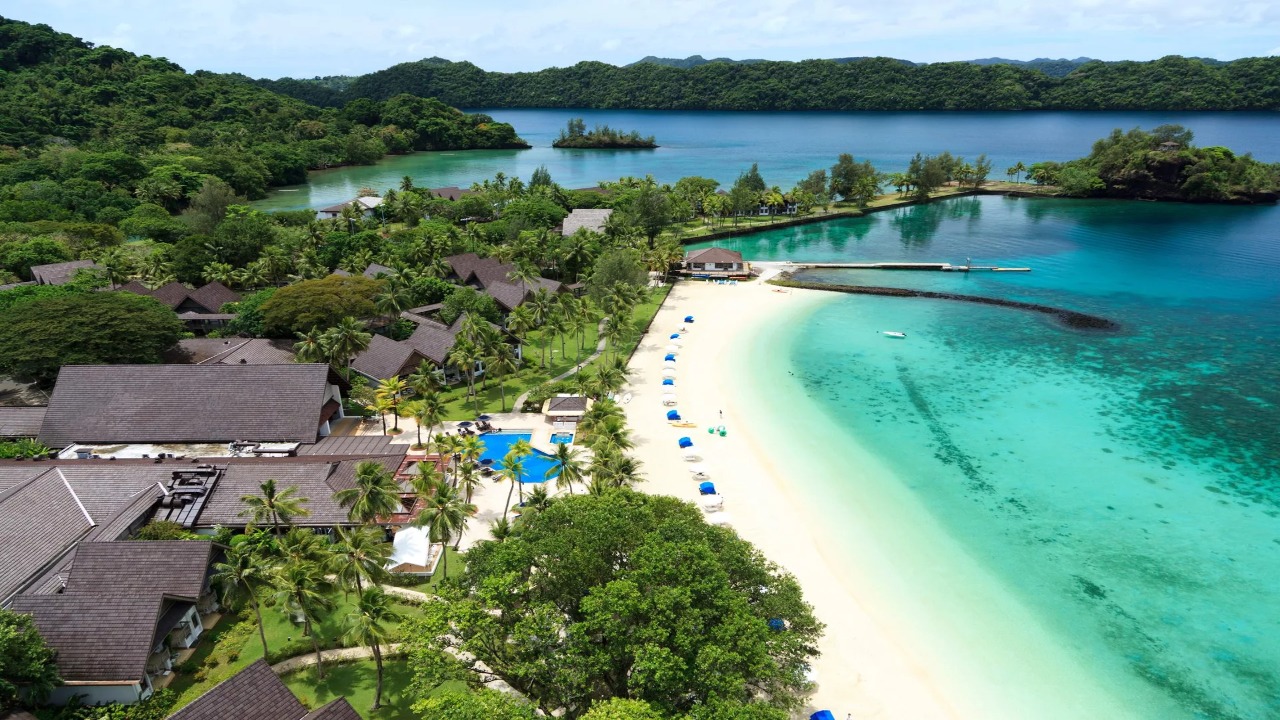


Palau: The Pacific Island Paradise You’ve Never Heard Of
Palau is a small island country in the western Pacific Ocean. It is part of the Micronesia region and is made up of more than 500 islands. Even though it is not well known in the United States, Palau is one of the most beautiful places on Earth. With crystal-clear waters, coral reefs, tropical forests, and peaceful beaches, Palau feels like a hidden treasure far from the busy modern world.
This article will take you on a journey through Palau’s geography, history, culture, and natural beauty. It is written for readers who want an easy-to-understand, informative, and fresh look at this unique island nation.
Where Palau Is and What Makes It Special
Palau is located in the western part of the Pacific Ocean. It sits about 500 miles east of the Philippines and north of Papua New Guinea. It is part of the island group known as the Caroline Islands, which includes parts of Micronesia. Though small in land size, Palau’s ocean territory is huge and filled with marine life.
The country is made up of hundreds of islands. Some are large and covered in forests. Others are small and made of coral or limestone. Each island has its charm, but the most important ones are:
-
Babeldaob: This is the largest island and home to Palau’s current capital, Ngerulmud.
-
Koror: The former capital and still the main center of business and tourism.
-
The Rock Islands: A group of tiny limestone islands known for their round, mushroom-like shapes and beautiful blue lagoons.
Palau’s remote location and small size have helped it stay mostly untouched by modern development, making it a dream destination for nature lovers.
The Unique History of Palau
Palau has been inhabited for thousands of years. Archaeologists believe that the first settlers came from Southeast Asia about 3,000 years ago. These early people brought with them skills in farming, fishing, and boat building. They formed small villages and passed down their traditions through stories, songs, and dances.
Over the centuries, many foreign powers controlled Palau. The Spanish were the first Europeans to claim the islands in the 16th century. In 1899, Spain sold Palau to Germany. After World War I, Japan took over. Then, during World War II, the United States captured the islands from Japan. The Battle of Peleliu in 1944 was one of the bloodiest battles in the Pacific War.
After the war, Palau was governed by the United States as part of a United Nations trust. In 1994, Palau became a fully independent nation. However, it still has a strong connection to the U.S. under an agreement called the Compact of Free Association. This allows the U.S. to provide financial help and military protection in exchange for certain rights.
Palauan Culture and Way of Life
Despite outside influences, Palau has held on to its traditional culture. The people are proud of their heritage, and their customs are still a part of daily life. Storytelling, dance, music, and traditional ceremonies are common in village life.
One of the most important cultural buildings in Palau is the bai—a traditional meeting house built with wood and thatch. These buildings are decorated with symbols and stories from Palauan mythology. They are used for village meetings and cultural events.
Palau’s official languages are Palauan and English. Most people are fluent in both. Christianity is the main religion, but many traditional beliefs are also respected.
Family and community are central to life in Palau. Elders are respected, and decisions are often made through group discussion. Food is shared, and fishing and farming are still important parts of the local economy.
Natural Beauty and Wildlife
Palau is known worldwide for its rich natural environment. Its coral reefs are some of the healthiest on Earth. More than 1,500 species of fish and over 700 types of coral live in Palau’s waters. This makes it one of the top places in the world for scuba diving and snorkeling.
The Rock Islands Southern Lagoon is a UNESCO World Heritage Site. These islands are famous for their round shapes, turquoise waters, and hidden beaches. Tourists can explore them by kayak, boat, or paddleboard.
One of Palau’s most famous attractions is Jellyfish Lake, where visitors can swim with millions of golden jellyfish that do not sting. This unique experience draws travelers from around the globe.
On land, Palau has tropical forests, waterfalls, and mountain trails. Babeldaob Island has rolling hills and rivers that flow through lush greenery. Birdwatchers can find many rare species, including the Palau fruit dove, the national bird.
Climate and Best Time to Visit
Palau has a warm tropical climate. Temperatures stay between 77°F and 88°F (25°C to 31°C) throughout the year. There is no winter season, but there is a rainy season from July to October. Rain usually comes in short bursts and is often followed by sunshine.
The best time to visit Palau is between November and May. During these months, the weather is drier, and the sea is calmer, which makes it perfect for diving, snorkeling, and outdoor activities.
Responsible Tourism and Environmental Protection
Palau is not just beautiful—it is also a global leader in protecting the environment. The government takes strong steps to preserve nature. In 2009, Palau created the world’s first shark sanctuary, banning all commercial shark fishing in its waters.
The country has also banned sunscreens that harm coral reefs. Visitors are asked to use reef-safe sunscreen. Tourists entering the country must sign the Palau Pledge, a promise to protect nature and respect local culture.
These steps are not just rules—they are part of a national effort to keep Palau beautiful for future generations.
Travel Tips for Visitors
Traveling to Palau is easy for U.S. citizens. No visa is required for stays of up to one year. The official currency is the U.S. dollar, and English is widely spoken. This makes Palau a comfortable and convenient destination for American travelers.
Palau International Airport is located on Babeldaob Island, close to Koror. Most visitors fly in from Guam, Manila, or Taipei. Hotels and guesthouses are mostly found in Koror, but eco-lodges are also available in more remote areas.
Transportation around the islands includes taxis, rental cars, and boats. Roads are safe, but driving is on the right side, as in the U.S.
Palau is not a party destination. It is peaceful, quiet, and ideal for people who enjoy nature and outdoor activities. Respect for the environment and local customs is important when visiting.
Why Palau Deserves Your Attention
Palau is more than just an island. It is a model of how a country can grow while still protecting its culture and nature. Its waters are clean, its forests are green, and its people are proud and welcoming.
For travelers in the United States who are looking for a unique, meaningful, and eco-friendly vacation, Palau is a perfect choice. It is a place where you can disconnect from the fast pace of life and reconnect with nature.
Few places on Earth offer the same mix of beauty, peace, and cultural depth as Palau. It may be small in size, but it leaves a big impression on those who visit.
For the latest global headlines, read how Israel detained Greta Thunberg and 11 others during a Gaza aid mission.
'%3e%3crect%20y='0.445312'%20width='48'%20height='48'%20rx='24'%20fill='white'%20fill-opacity='0.5'/%3e%3crect%20x='0.5'%20y='0.945312'%20width='47'%20height='47'%20rx='23.5'%20stroke='%23808080'/%3e%3cpath%20d='M34.625%2024.4453L14%2024.4453'%20stroke='%23808080'%20stroke-width='0.920053'/%3e%3cpath%20d='M23.375%2034.4453L13.375%2024.4453L23.375%2014.4453'%20stroke='%23808080'%20stroke-width='0.920053'/%3e%3c/g%3e%3cdefs%3e%3cfilter%20id='filter0_b_489_44344'%20x='-12'%20y='-11.5547'%20width='72'%20height='72'%20filterUnits='userSpaceOnUse'%20color-interpolation-filters='sRGB'%3e%3cfeFlood%20flood-opacity='0'%20result='BackgroundImageFix'/%3e%3cfeGaussianBlur%20in='BackgroundImageFix'%20stdDeviation='6'/%3e%3cfeComposite%20in2='SourceAlpha'%20operator='in'%20result='effect1_backgroundBlur_489_44344'/%3e%3cfeBlend%20mode='normal'%20in='SourceGraphic'%20in2='effect1_backgroundBlur_489_44344'%20result='shape'/%3e%3c/filter%3e%3c/defs%3e%3c/svg%3e)
'%3e%3crect%20y='0.445312'%20width='48'%20height='48'%20rx='24'%20fill='white'%20fill-opacity='0.5'/%3e%3crect%20x='0.5'%20y='0.945312'%20width='47'%20height='47'%20rx='23.5'%20stroke='%23808080'/%3e%3cpath%20d='M13.375%2024.4453L34%2024.4453'%20stroke='%23808080'%20stroke-width='0.920053'/%3e%3cpath%20d='M24.625%2014.4453L34.625%2024.4453L24.625%2034.4453'%20stroke='%23808080'%20stroke-width='0.920053'/%3e%3c/g%3e%3cdefs%3e%3cfilter%20id='filter0_b_489_44344'%20x='-12'%20y='-11.5547'%20width='72'%20height='72'%20filterUnits='userSpaceOnUse'%20color-interpolation-filters='sRGB'%3e%3cfeFlood%20flood-opacity='0'%20result='BackgroundImageFix'/%3e%3cfeGaussianBlur%20in='BackgroundImageFix'%20stdDeviation='6'/%3e%3cfeComposite%20in2='SourceAlpha'%20operator='in'%20result='effect1_backgroundBlur_489_44344'/%3e%3cfeBlend%20mode='normal'%20in='SourceGraphic'%20in2='effect1_backgroundBlur_489_44344'%20result='shape'/%3e%3c/filter%3e%3c/defs%3e%3c/svg%3e)