
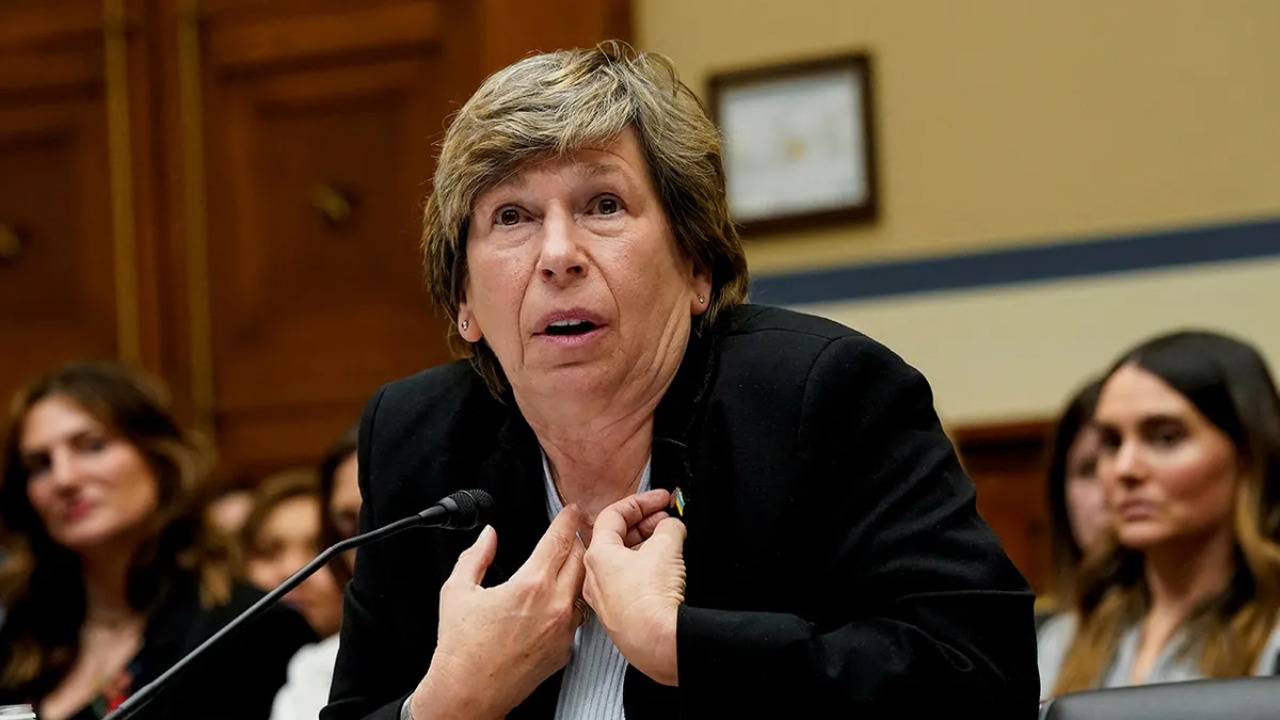


Randi Weingarten: The Voice of American Teachers and Workers
Randi Weingarten is one of the most influential voices in American education and labor. She is an attorney, a former teacher, and the long-time president of the American Federation of Teachers (AFT), a union representing nearly 1.7 million members across the United States. Since taking over the AFT in 2008, Weingarten has used her leadership to advocate for public education, workers' rights, and social justice on a national level.
Her experiences in law and teaching shaped her path to leadership. She is deeply committed to the idea that quality public education is a foundation of democracy. Her work affects teachers and students, healthcare workers, higher education staff, and countless families whose lives are tied to the American school system.
Early Life and Education
Randi Weingarten was born in New York City on December 18, 1957. She grew up in a politically active Jewish family that believed in justice and civic responsibility. Her father was a teacher, and her mother was a schoolteacher turned union activist, which helped shape her understanding of public service and collective action from an early age.
Weingarten attended Cornell University, where she earned her bachelor's degree. Later, she earned a law degree from the Cardozo School of Law at Yeshiva University. Her early interest in social issues and legal training gave her the tools she needed to become a strong and persuasive advocate for workers.
Transition from Law to Teaching
Although Weingarten began her career as a labor lawyer, her career took a significant turn when she entered the classroom. She taught social studies at Clara Barton High School in Brooklyn for six years. Her teaching job wasn't just symbolic; she was deeply involved in classroom life, working directly with students and facing the same issues that public school teachers face daily.
This hands-on teaching experience helped Weingarten understand educators' challenges: overcrowded classrooms, limited resources, low pay, and increasing political pressure. It also gave her credibility among educators. She wasn’t just a lawyer speaking for teachers; she was one of them.
Rise in Union Leadership
Randi Weingarten's leadership journey started at the United Federation of Teachers (UFT) in New York City. The UFT is one of the largest local teacher unions in the United States. In 1998, Weingarten became its president. During her tenure, she worked hard to improve working conditions for educators and bring innovation to public schools.
As UFT president, she negotiated contracts that raised teacher salaries and improved healthcare benefits. But she didn’t stop there. She also promoted policies that focused on educational quality. For example, she supported peer review programs, which allowed teachers to help evaluate and support one another’s performance. She also pushed for community schools providing health and social services and education.
National Leadership at AFT
In 2008, Randi Weingarten was elected president of the American Federation of Teachers. Under her leadership, the union expanded its influence beyond K–12 public schools. Today, the AFT represents many professionals, including early childhood educators, college faculty, school nurses, and public health workers.
Weingarten brought her New York experience to the national stage. She continued to advocate for better pay, safer classrooms, and more resources for public schools. But she also widened the conversation to include issues like student debt, mental health, school safety, and income inequality. She emphasized that improving education also means supporting the well-being of students, families, and communities.
One of her most important goals has been protecting the future of public education. She strongly opposes efforts to privatize schools or divert public funds to private or charter schools. Instead, she supports investing in public schools, raising teacher standards, and expanding opportunities for underserved communities.
Political Impact and Advocacy Work
Randi Weingarten is an influential political figure in the U.S. labor movement. As a member of the AFL-CIO Executive Council, she helps shape labor policy across industries. She has been a close ally of Democratic leaders, regularly working with policymakers in Congress and the White House on education and labor issues.
Weingarten often speaks out on national political debates. She uses her voice to promote fairness and equity, whether it's about education funding, teacher evaluations, or healthcare access. She has appeared on major news networks and written opinion pieces in leading newspapers.
She also doesn’t shy away from controversial topics. She has advocated for LGBTQ+ rights, gun control in schools, and racial justice. Her view is that schools should not only educate but also be safe, welcoming spaces where every child feels valued.
Handling the COVID-19 Crisis
The COVID-19 pandemic presented one of the biggest challenges of Randi Weingarten’s career. During this time, she became a national figure in the debate over school closures, remote learning, and teacher safety.
Weingarten supported temporary school closures when the pandemic began, but she also emphasized the importance of reopening schools safely. She called for increased funding for ventilation, personal protective equipment, regular testing, and mental health services. At the same time, she fought to protect the jobs and well-being of school staff, many of whom were essential workers during the crisis.
Her handling of the pandemic received both praise and criticism. Some viewed her as cautious and protective of teachers; others felt she was too slow to support reopening. But Weingarten remained focused on balancing safety and learning, pushing for science-based decisions and federal support.
Personal Life and Beliefs
Randi Weingarten is openly lesbian and a proud advocate for equality. She is married to Rabbi Sharon Kleinbaum, a well-known human rights and LGBTQ+ activist. Their relationship reflects a shared commitment to justice, inclusion, and faith-based advocacy for those in need.
Her personal life and identity have often informed her work. She believes deeply in the dignity of every human being and in the power of organized communities to drive positive change. Whether speaking at a rally, testifying before Congress, or addressing a classroom, her passion and clarity are undeniable.
Legacy and Continuing Work
Over the decades, Randi Weingarten has become more than just a union leader. She symbolizes the fight for public education and labor rights in America. Her leadership has helped secure better working conditions for educators, raise awareness about the importance of schools in our democracy, and bring more people into the national conversation on justice and equity.
She continues to lead the AFT, taking on new challenges like AI in education, climate change’s impact on schools, and growing political division in the country. Through it all, she remains focused on her mission: to protect workers, improve schools, and create a better future for every child.
Final Thoughts
Randi Weingarten’s story reminds us that leadership comes from experience, empathy, and conviction. She understands the classroom, the courtroom, and the community, and she uses that knowledge to fight for a better America.
Her journey from teaching high school students to leading a national labor movement shows what’s possible when someone commits their life to service. Whether you agree with her politics or not, her impact on education, labor, and public life is undeniable.
To learn how government officials respond to public service issues, read our latest coverage on AC delays at the Railways Headquarters.
For more trending news and updates, visit the home page of The Current.
'%3e%3crect%20y='0.445312'%20width='48'%20height='48'%20rx='24'%20fill='white'%20fill-opacity='0.5'/%3e%3crect%20x='0.5'%20y='0.945312'%20width='47'%20height='47'%20rx='23.5'%20stroke='%23808080'/%3e%3cpath%20d='M34.625%2024.4453L14%2024.4453'%20stroke='%23808080'%20stroke-width='0.920053'/%3e%3cpath%20d='M23.375%2034.4453L13.375%2024.4453L23.375%2014.4453'%20stroke='%23808080'%20stroke-width='0.920053'/%3e%3c/g%3e%3cdefs%3e%3cfilter%20id='filter0_b_489_44344'%20x='-12'%20y='-11.5547'%20width='72'%20height='72'%20filterUnits='userSpaceOnUse'%20color-interpolation-filters='sRGB'%3e%3cfeFlood%20flood-opacity='0'%20result='BackgroundImageFix'/%3e%3cfeGaussianBlur%20in='BackgroundImageFix'%20stdDeviation='6'/%3e%3cfeComposite%20in2='SourceAlpha'%20operator='in'%20result='effect1_backgroundBlur_489_44344'/%3e%3cfeBlend%20mode='normal'%20in='SourceGraphic'%20in2='effect1_backgroundBlur_489_44344'%20result='shape'/%3e%3c/filter%3e%3c/defs%3e%3c/svg%3e)
'%3e%3crect%20y='0.445312'%20width='48'%20height='48'%20rx='24'%20fill='white'%20fill-opacity='0.5'/%3e%3crect%20x='0.5'%20y='0.945312'%20width='47'%20height='47'%20rx='23.5'%20stroke='%23808080'/%3e%3cpath%20d='M13.375%2024.4453L34%2024.4453'%20stroke='%23808080'%20stroke-width='0.920053'/%3e%3cpath%20d='M24.625%2014.4453L34.625%2024.4453L24.625%2034.4453'%20stroke='%23808080'%20stroke-width='0.920053'/%3e%3c/g%3e%3cdefs%3e%3cfilter%20id='filter0_b_489_44344'%20x='-12'%20y='-11.5547'%20width='72'%20height='72'%20filterUnits='userSpaceOnUse'%20color-interpolation-filters='sRGB'%3e%3cfeFlood%20flood-opacity='0'%20result='BackgroundImageFix'/%3e%3cfeGaussianBlur%20in='BackgroundImageFix'%20stdDeviation='6'/%3e%3cfeComposite%20in2='SourceAlpha'%20operator='in'%20result='effect1_backgroundBlur_489_44344'/%3e%3cfeBlend%20mode='normal'%20in='SourceGraphic'%20in2='effect1_backgroundBlur_489_44344'%20result='shape'/%3e%3c/filter%3e%3c/defs%3e%3c/svg%3e)