
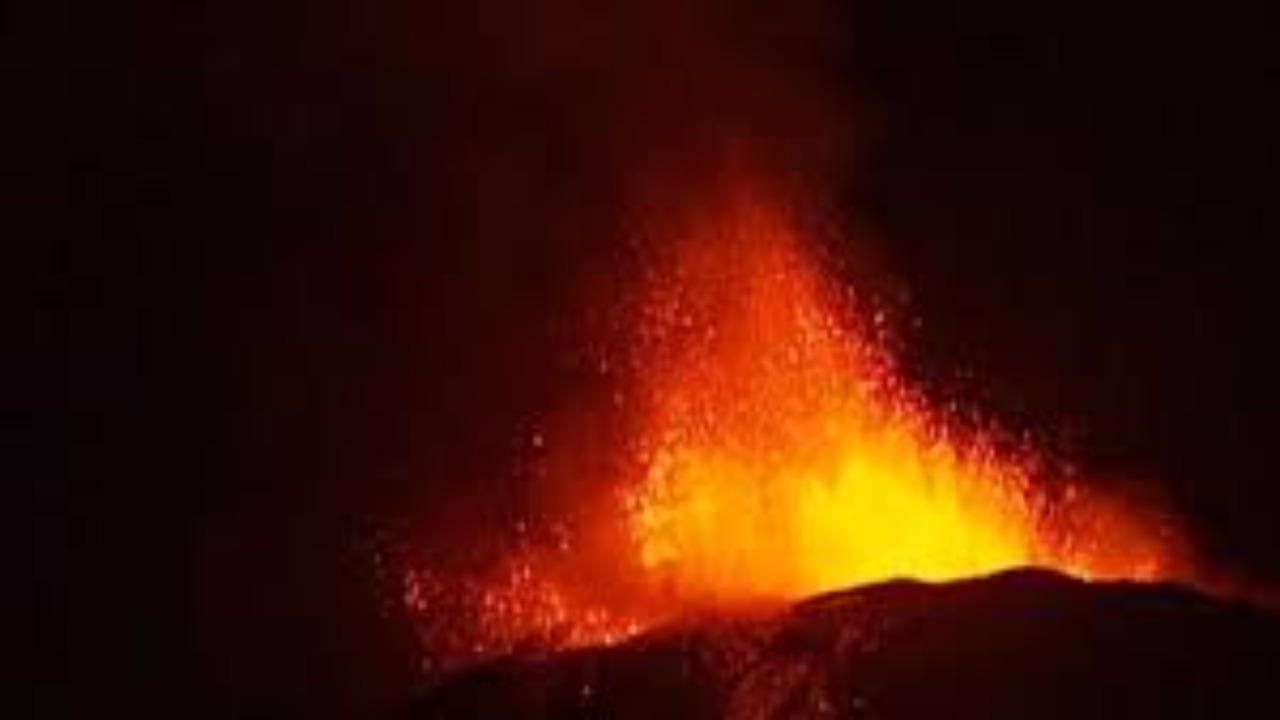


Ring of Fire: The World's Most Powerful Natural Force
The Ring of Fire isn’t just a catchy phrase or a dramatic name from geology textbooks. It's one of the most dynamic and dangerous natural zones on Earth. Stretching around the Pacific Ocean in a horseshoe shape, this volatile area is known for its frequent earthquakes, explosive volcanic eruptions, and shifting tectonic plates. While it impacts countries across the Pacific, its ripple effects can be felt as far away as Kolkata Metro projects and other densely populated urban centers.
In this easy-to-read guide, you'll discover why the Ring of Fire is so important, what Ring of Fire rules nature seems to follow, and why countries inside this zone constantly prepare for the next big event.
What Is the Ring of Fire?
The Ring of Fire refers to a 40,000-kilometer (25,000-mile) arc of intense geological activity. It wraps around the Pacific Ocean, from South America’s southern tip, moving up through North America, across the Bering Strait, and down through Japan to New Zealand.
While it’s not a literal ring, the term “Ring” comes from how it loops around the Pacific. The real power lies in what's happening underground. Tectonic plates grind, collide, and dive beneath one another here, sparking natural disasters like clockwork.
Ring of Fire Countries: Who Lives in the Danger Zone?
The Ring of Fire countries span both developed and developing nations. Each faces a unique set of risks and challenges tied to their position in the zone. Here are some of the most affected:
-
United States (especially California, Oregon, Washington, and Alaska)
-
Canada (western provinces)
-
Mexico
-
Chile
-
Japan
-
Indonesia
-
Philippines
-
New Zealand
-
Russia (far eastern regions)
These countries have built extensive monitoring systems and emergency plans to deal with the unpredictability of their geological neighbors.
Why So Many Volcanoes and Earthquakes Happen Here
What makes this region so active? The secret lies in subduction zones. Here, oceanic tectonic plates dive beneath continental plates. As one plate sinks, it melts and forms magma. That magma rises to the surface, eventually erupting as a volcano.
This movement also builds pressure between plates. When the pressure becomes too great, the Earth cracks, causing an earthquake.
These are the silent Ring of Fire rules of geology: pressure, subduction, eruption, and repeat.
Ring of Fire Map: A Visual of Destruction and Beauty
The Ring of Fire map shows more than just locations. It’s a visual guide to understanding Earth's most dangerous seismic hot spots. You’ll see clusters of active volcanoes, earthquake zones, and plate boundaries.
-
The Mariana Trench – the deepest oceanic trench lies here
-
Mount Saint Helens, Mount Fuji, and Mount Tambora – all iconic volcanic landmarks
-
Earthquake-prone zones near Tokyo, Los Angeles, and Santiago
Many educational and scientific platforms provide detailed, interactive versions of the Ring of Fire map that let users explore seismic history in real-time.
How the Ring of Fire Connects to the Kolkata Metro
While Kolkata Metro is far from the Pacific, lessons from the Ring of Fire resonate globally. Urban infrastructure in quake-free areas still faces risks from extreme weather events and interconnected global phenomena.
Advanced seismic safety protocols used in Ring of Fire countries can guide developing metro systems like those in Kolkata. Earthquake-resistant designs, smart monitoring systems, and underground emergency exits all draw inspiration from what Ring of Fire cities have had to learn the hard way.
Recent News: 'Ring of Fire' Weather Pattern Threatens Michigan
The term Ring of Fire doesn’t only apply to seismic events anymore. Meteorologists now use the term to describe severe storm systems that circle a heat dome. Recently, this pattern brought damaging storms to Michigan, stirring memories of past geological chaos.
Storms developed along the outer edge of the heat dome, hitting the Midwest with intense rain, hail, and wind. While not tectonic, this meteorological Ring of Fire shows how extreme patterns can mirror the unpredictability seen around the Pacific.
It also raises questions: could weather systems become as dangerous as tectonic ones? The line between climate and geology is blurring, and more eyes are on global patterns than ever before.
The Power and Promise of Geothermal Energy
One of the lesser-known gifts of the Ring of Fire is geothermal energy. The same heat that fuels volcanic eruptions can also be tapped to generate clean electricity. Countries like Iceland, Japan, and the Philippines use underground heat to power homes and factories.
With growing concerns about climate change and fossil fuel dependency, geothermal energy from Ring of Fire zones may become a central part of global energy solutions.
Understanding Ring of Fire Rules for the Future
So what can be learned from the Ring of Fire rules that govern this zone? Scientists and urban planners have identified some consistent behaviors:
-
Preparedness saves lives. Earthquake drills, tsunami warnings, and early detection systems can prevent catastrophe.
-
Nature follows patterns. Monitoring plate movements offers clues about when and where eruptions or quakes may happen.
-
Technology is essential. Drones, satellites, and AI help track and forecast disasters faster than ever.
Understanding these principles allows cities both inside and outside the Ring of Fire, like Kolkata Metro, to build resilient infrastructure for tomorrow.
Final Thoughts: Living With the Ring of Fire
The Ring of Fire is a place where the Earth breathes, groans, and shifts beneath our feet. From dramatic volcanic eruptions to devastating quakes, it shapes the lives of millions.
Its rules may be written in the language of geology, but their impact reaches into human safety, energy, city planning, and climate forecasting. From Ring of Fire countries to the most distant metro systems like in Kolkata, the lessons are universal.
With modern science, global cooperation, and smarter cities, it’s possible not just to survive this fiery loop, but to thrive alongside it.
The devastating impact of the Ring of Fire continues to unfold, as seen in the recent earthquake that destroyed over 1,000 homes in Papua New Guinea.
'%3e%3crect%20y='0.445312'%20width='48'%20height='48'%20rx='24'%20fill='white'%20fill-opacity='0.5'/%3e%3crect%20x='0.5'%20y='0.945312'%20width='47'%20height='47'%20rx='23.5'%20stroke='%23808080'/%3e%3cpath%20d='M34.625%2024.4453L14%2024.4453'%20stroke='%23808080'%20stroke-width='0.920053'/%3e%3cpath%20d='M23.375%2034.4453L13.375%2024.4453L23.375%2014.4453'%20stroke='%23808080'%20stroke-width='0.920053'/%3e%3c/g%3e%3cdefs%3e%3cfilter%20id='filter0_b_489_44344'%20x='-12'%20y='-11.5547'%20width='72'%20height='72'%20filterUnits='userSpaceOnUse'%20color-interpolation-filters='sRGB'%3e%3cfeFlood%20flood-opacity='0'%20result='BackgroundImageFix'/%3e%3cfeGaussianBlur%20in='BackgroundImageFix'%20stdDeviation='6'/%3e%3cfeComposite%20in2='SourceAlpha'%20operator='in'%20result='effect1_backgroundBlur_489_44344'/%3e%3cfeBlend%20mode='normal'%20in='SourceGraphic'%20in2='effect1_backgroundBlur_489_44344'%20result='shape'/%3e%3c/filter%3e%3c/defs%3e%3c/svg%3e)
'%3e%3crect%20y='0.445312'%20width='48'%20height='48'%20rx='24'%20fill='white'%20fill-opacity='0.5'/%3e%3crect%20x='0.5'%20y='0.945312'%20width='47'%20height='47'%20rx='23.5'%20stroke='%23808080'/%3e%3cpath%20d='M13.375%2024.4453L34%2024.4453'%20stroke='%23808080'%20stroke-width='0.920053'/%3e%3cpath%20d='M24.625%2014.4453L34.625%2024.4453L24.625%2034.4453'%20stroke='%23808080'%20stroke-width='0.920053'/%3e%3c/g%3e%3cdefs%3e%3cfilter%20id='filter0_b_489_44344'%20x='-12'%20y='-11.5547'%20width='72'%20height='72'%20filterUnits='userSpaceOnUse'%20color-interpolation-filters='sRGB'%3e%3cfeFlood%20flood-opacity='0'%20result='BackgroundImageFix'/%3e%3cfeGaussianBlur%20in='BackgroundImageFix'%20stdDeviation='6'/%3e%3cfeComposite%20in2='SourceAlpha'%20operator='in'%20result='effect1_backgroundBlur_489_44344'/%3e%3cfeBlend%20mode='normal'%20in='SourceGraphic'%20in2='effect1_backgroundBlur_489_44344'%20result='shape'/%3e%3c/filter%3e%3c/defs%3e%3c/svg%3e)