
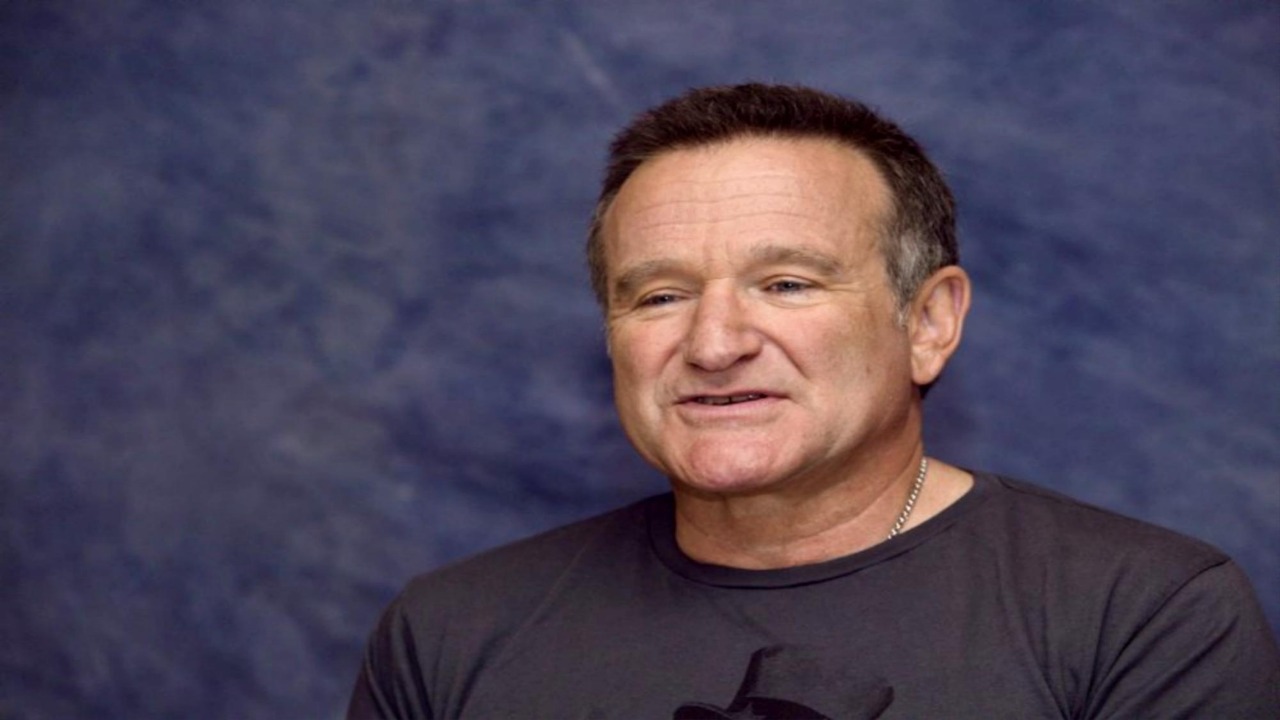


Robin Williams: A Legendary Talent Who Changed Comedy and Cinema Forever
Robin McLaurin Williams was not just an actor or comedian; he was a force of nature in the entertainment industry. Known for his boundless energy, remarkable improvisational skills, and deeply empathetic performances, Robin Williams became one of the most beloved figures in both Hollywood and the hearts of audiences around the world. His versatility ranged from slapstick humor to deeply moving drama, earning him a spot as one of the greatest comedians and actors of all time.
This article will delve into the life and career of Robin McLaurin Williams, analyzing his impact on both comedy and film, as well as the lasting legacy he leaves behind. We'll explore his rise to fame, iconic roles, and the personal challenges he faced, offering new insights and reflections that go beyond what you’ll find in most sources.
Early Life: The Humble Beginnings of a Comedy Genius
Robin Williams was born on July 21, 1951, in Chicago, Illinois. Raised in a middle-class family, his father was a car executive, and his mother was a former model. Williams was an incredibly shy child, using humor as a way to connect with others and to mask his insecurities. His mother, who had a background in theater, was instrumental in nurturing his creative talents.
While attending Juilliard School in New York, Williams quickly made a name for himself with his comedic abilities. He was a classmate of fellow actor Christopher Reeve, and the two became lifelong friends. Williams' time at Juilliard helped him refine his craft. However, he could improvise and think on his feet that truly set him apart from other performers.
The Rise to Fame: From Stand-Up Comedy to Iconic Film Roles
Stand-Up Comedy: A Master of Improv
Robin Williams' first breakthrough came in the 1970s with stand-up comedy. He gained a reputation for his fast-paced, improvisational style that left audiences in stitches. Williams’s ability to jump between impressions, voices, and characters, often within a single sentence, was unparalleled. His stand-up routines were chaotic yet brilliant, making him a hit in comedy clubs.
His major break came in 1979 when he appeared on The Richard Pryor Show, which exposed him to a broader audience. Soon after, Williams was cast in the role of Mork, an eccentric alien in the popular TV show Mork & Mindy. The show ran from 1978 to 1982 and cemented his place in the pop culture pantheon.
Hollywood Breakthrough: Comedy and Drama Blend
In the 1980s, Robin McLaurin Williams transitioned from television to the big screen. His comedic roles in films like Popeye (1980), The World According to Garp (1982), and Good Morning, Vietnam (1987) showcased his ability to blend humor with depth. Good Morning, Vietnam is widely regarded as one of his best performances, earning him an Academy Award nomination for Best Actor. His portrayal of Adrian Cronauer, an irreverent and wildly funny radio DJ during the Vietnam War, is still considered one of the finest in comedic drama.
Williams' roles often portrayed a blend of madness and sensitivity, showing that he was capable of both the zany antics of a comedian and the serious depth of a dramatic actor.
The Versatility of Robin Williams: A Career of Range and Emotion
One of the key reasons for Robin McLaurin Williams' lasting popularity was his ability to tackle a wide range of roles. Whether he was making people laugh or bringing tears to their eyes, Williams’ characters were always deeply relatable and human.
Heartwarming Roles: Dead Poets Society and Good Will Hunting
Robin Williams achieved critical acclaim for his dramatic performances in Dead Poets Society (1989) and Good Will Hunting (1997). In Dead Poets Society, Williams played John Keating, an inspiring English teacher who encouraged his students to "seize the day" and live life with passion. The film's emotional depth resonated with audiences, and Williams won a Golden Globe for his portrayal.
In Good Will Hunting, Williams played Dr. Sean Maguire, a therapist who helps a troubled genius (played by Matt Damon) work through his issues. His performance won him the Academy Award for Best Supporting Actor, and the film's success solidified Williams’ position as a multifaceted actor capable of moving beyond comedy.
Family Films: Mrs. Doubtfire and Jumanji
While Williams was celebrated for his dramatic chops, he was also a go-to actor for family-friendly films. Mrs. Doubtfire (1993), where he played a divorced father who disguises himself as an elderly British nanny to stay close to his children, became one of his most iconic roles. The film balanced humor with heartfelt emotion, and Williams' performance was both hilarious and deeply empathetic.
Another standout family film was Jumanji (1995), where Williams starred as Alan Parrish, a man trapped in a magical board game for decades. The film became a cult classic and showcased his ability to blend adventure, humor, and heartfelt moments.
Robin Williams' Legacy: Impact on Comedy, Film, and Mental Health
Comedy’s Golden Age
Robin Williams was instrumental in shaping the comedic landscape of the late 20th and early 21st centuries. His brand of humor, marked by rapid-fire wit and a unique blend of absurdity and pathos, became a hallmark of comedy during his era. His influence is seen in the work of countless comedians who were inspired by his improvisational style and his ability to tap into both the comedic and dramatic sides of a character.
Mental Health Advocacy
Robin McLaurin Williams’ battles with mental health, particularly depression and anxiety, were well-known. Tragically, his life came to an untimely end when he passed away by suicide in 2014. His death shocked the world and sparked a global conversation about mental health. Williams' battle with depression, compounded by the neurodegenerative disease Lewy body dementia, was a reminder that even the brightest stars can struggle with their inner demons.
In the wake of his passing, many people spoke out about the importance of seeking help for mental health issues, and his legacy continues to inspire others to talk openly about their struggles.
Conclusion: Robin Williams’ Lasting Influence
Robin Williams’ career spanned decades, and his influence on comedy, film, and mental health advocacy is immeasurable. His talent for blending humor and emotion in a way that felt entirely authentic made him a one-of-a-kind performer. He wasn't just a comedian; he was a storyteller, a friend, and a deeply compassionate individual whose impact continues to reverberate in pop culture today.
His diverse roles in films ranging from comedy to drama, his unique approach to stand-up, and his authenticity in portraying complex emotional journeys all contribute to his enduring legacy. Robin Williams will forever remain a legend in the entertainment world, and his films, performances, and advocacy for mental health will continue to inspire generations to come.
Whether you first discovered him through Mork & Mindy, laughed along with Aladdin’s Genie, or were moved by his performances in Dead Poets Society or Good Will Hunting, Robin Williams’ impact is undeniable. His ability to make us laugh, think, and feel will never be forgotten.
As Skype officially shuts down, many users are left searching for alternatives. Explore top communication apps and how they compare in our latest article. Read more about Skype alternatives here.
'%3e%3crect%20y='0.445312'%20width='48'%20height='48'%20rx='24'%20fill='white'%20fill-opacity='0.5'/%3e%3crect%20x='0.5'%20y='0.945312'%20width='47'%20height='47'%20rx='23.5'%20stroke='%23808080'/%3e%3cpath%20d='M34.625%2024.4453L14%2024.4453'%20stroke='%23808080'%20stroke-width='0.920053'/%3e%3cpath%20d='M23.375%2034.4453L13.375%2024.4453L23.375%2014.4453'%20stroke='%23808080'%20stroke-width='0.920053'/%3e%3c/g%3e%3cdefs%3e%3cfilter%20id='filter0_b_489_44344'%20x='-12'%20y='-11.5547'%20width='72'%20height='72'%20filterUnits='userSpaceOnUse'%20color-interpolation-filters='sRGB'%3e%3cfeFlood%20flood-opacity='0'%20result='BackgroundImageFix'/%3e%3cfeGaussianBlur%20in='BackgroundImageFix'%20stdDeviation='6'/%3e%3cfeComposite%20in2='SourceAlpha'%20operator='in'%20result='effect1_backgroundBlur_489_44344'/%3e%3cfeBlend%20mode='normal'%20in='SourceGraphic'%20in2='effect1_backgroundBlur_489_44344'%20result='shape'/%3e%3c/filter%3e%3c/defs%3e%3c/svg%3e)
'%3e%3crect%20y='0.445312'%20width='48'%20height='48'%20rx='24'%20fill='white'%20fill-opacity='0.5'/%3e%3crect%20x='0.5'%20y='0.945312'%20width='47'%20height='47'%20rx='23.5'%20stroke='%23808080'/%3e%3cpath%20d='M13.375%2024.4453L34%2024.4453'%20stroke='%23808080'%20stroke-width='0.920053'/%3e%3cpath%20d='M24.625%2014.4453L34.625%2024.4453L24.625%2034.4453'%20stroke='%23808080'%20stroke-width='0.920053'/%3e%3c/g%3e%3cdefs%3e%3cfilter%20id='filter0_b_489_44344'%20x='-12'%20y='-11.5547'%20width='72'%20height='72'%20filterUnits='userSpaceOnUse'%20color-interpolation-filters='sRGB'%3e%3cfeFlood%20flood-opacity='0'%20result='BackgroundImageFix'/%3e%3cfeGaussianBlur%20in='BackgroundImageFix'%20stdDeviation='6'/%3e%3cfeComposite%20in2='SourceAlpha'%20operator='in'%20result='effect1_backgroundBlur_489_44344'/%3e%3cfeBlend%20mode='normal'%20in='SourceGraphic'%20in2='effect1_backgroundBlur_489_44344'%20result='shape'/%3e%3c/filter%3e%3c/defs%3e%3c/svg%3e)