


Ruby Bridge: A Civil Rights Icon Whose Courage Still Inspires America
Ruby Bridge may seem like a simple name, but it stands tall in American history. This brave little girl made a powerful move in 1960 that changed the face of public education forever. Her story is not just about one child walking into an all-white school, it's about strength, hope, and the fight for equality in the United States.
Even today, many are asking, “Is Ruby Bridges still alive?” Yes, she is. Ruby Bridge remains active in public life and continues to speak about the importance of civil rights, equality, and education. Her presence at schools and universities is a reminder that history isn’t just a subject, it’s a call to action.
Who Is Ruby Bridge?
To understand why Ruby Bridge is trending again, it's important to know when was Ruby Bridges born and died. Ruby was born on September 8, 1954, in Tylertown, Mississippi. She is still alive and continues to advocate for social justice. There’s no date of death because her work isn’t finished, and neither is the journey she began.
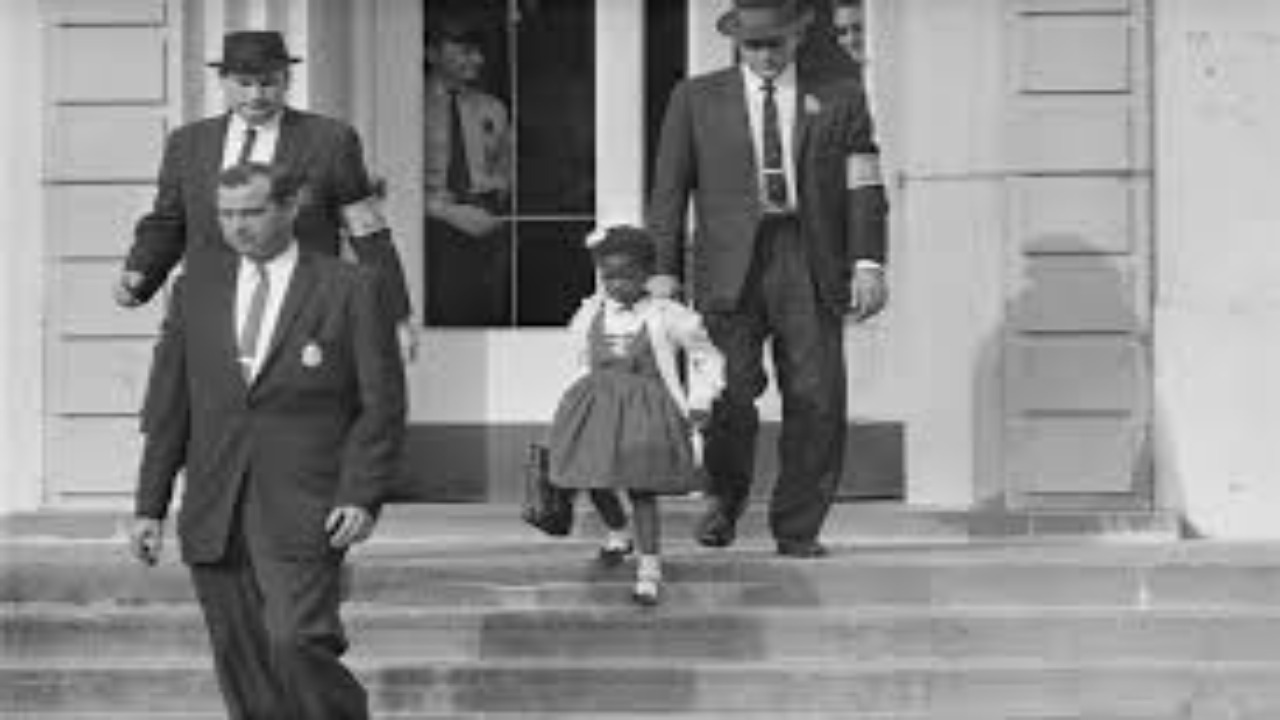
Ruby Bridge is best known for being the first Black child to integrate an all-white elementary school in the American South. On November 14, 1960, at just six years old, she walked into William Frantz Elementary School in New Orleans. Federal marshals escorted her through a crowd of angry protesters, while cameras captured a moment that would become an icon of the civil rights movement.
The Powerful Beginning of the Ruby Bridges Story
The Ruby Bridges story is tied directly to the 1954 Supreme Court decision in Brown v. Board of Education, which ruled that racial segregation in public schools was unconstitutional. Yet, southern states delayed integration. In New Orleans, schools used entrance exams to prevent Black children from enrolling in white schools.
Ruby was one of six children who passed the test. While the other five went to different schools or stayed home due to fear and protests, Ruby Bridge walked alone into Frantz Elementary. She sat in a classroom by herself for almost a year because white parents pulled their children out. Despite this, Ruby kept attending every day with determination and courage.
Ruby Bridges Walk to School Day: Honoring Courage
In honor of her bravery, the Ruby Bridges Walk to School Day 2024 will take place on Thursday, November 14. This special day encourages students across the country to walk to school just like Ruby did, promoting unity, inclusion, and the value of standing up for what is right.
Organized by the Ruby Bridges Foundation, this event is growing every year. Schools receive bookmarks, stickers, and educational tools to help children learn about civil rights. It's more than a walk, it's a living lesson in bravery and change.
Teachers and parents use this day to discuss racism, empathy, and how young people can lead movements, no matter their age. By participating, students not only remember history, they become part of it.
The Ruby Bridges Movie: Bringing the Story to the Screen
The Ruby Bridges movie, released in 1998 by Disney, is a dramatized retelling of her first year at Frantz Elementary. It shows the challenges Ruby and her family faced and how her teacher and the marshals helped protect her.
This film remains a great tool for parents and schools to introduce children to civil rights history in a way they can understand. It’s often shown during Black History Month or as part of classroom discussions on courage, justice, and resilience.
Is Ruby Bridges Still Alive?
Yes, and her voice remains strong. Ruby continues to visit schools, speak at universities, and attend events like Walk to School Day. She uses her platform to promote education, tolerance, and kindness. In 2024, she spoke at California State University and the University of Chicago, urging young people to become leaders for change.
Ruby also leads the Ruby Bridges Foundation, which works to promote equal education and connect communities through understanding and respect. Her speeches remind audiences that progress starts with everyday actions, like walking through a school door, even when the world is against you.
Why Ruby Bridge Is Trending in 2025
Search interest in "Ruby Bridge" has spiked in the U.S. due to:
-
Increased participation in Ruby Bridges Walk to School Day
-
Recent university visits and speeches
-
Renewed focus on civil rights education in American schools
-
Viral content on social media platforms celebrating her legacy
Many educators, parents, and students are turning to her story as a symbol of strength and unity, especially during discussions about racism, history, and equality.
Beyond History: The Ongoing Impact of Ruby Bridge
Ruby’s story may have started in 1960, but it echoes today. Her act of bravery at six years old still serves as a symbol for every student who faces challenges. She teaches that courage has no age limit, and change often begins with small but powerful steps.
She didn’t just change schools, she changed the hearts of many. Every November, when children walk to school in her honor, they are reminded that justice is something to work for daily, not just something written in textbooks.
Ruby Bridge shows that one act of courage can create a ripple effect across generations.
Final Thoughts: Why Ruby Bridge Still Matters
The name Ruby Bridge carries meaning beyond its letters. It reminds the United States, and the world, that bravery, even from a child, can shift the course of history. Her walk was only a few steps, but it was a giant leap toward justice.
In a time when education, diversity, and civil rights are more important than ever, Ruby’s legacy continues to grow. Events like Ruby Bridges Walk to School Day are not just tributes, they are calls for today’s youth to lead with the same courage and hope.
Ruby Bridge isn’t just a historical figure. She’s a living example of how courage can inspire a nation. And the story continues, one walk, one classroom, one brave child at a time.
For a deeper look into the history of precious jewels taken during colonial times, explore the detailed report on Emeralds, Rubies, and Diamonds stolen from India by the British Empire.
'%3e%3crect%20y='0.445312'%20width='48'%20height='48'%20rx='24'%20fill='white'%20fill-opacity='0.5'/%3e%3crect%20x='0.5'%20y='0.945312'%20width='47'%20height='47'%20rx='23.5'%20stroke='%23808080'/%3e%3cpath%20d='M34.625%2024.4453L14%2024.4453'%20stroke='%23808080'%20stroke-width='0.920053'/%3e%3cpath%20d='M23.375%2034.4453L13.375%2024.4453L23.375%2014.4453'%20stroke='%23808080'%20stroke-width='0.920053'/%3e%3c/g%3e%3cdefs%3e%3cfilter%20id='filter0_b_489_44344'%20x='-12'%20y='-11.5547'%20width='72'%20height='72'%20filterUnits='userSpaceOnUse'%20color-interpolation-filters='sRGB'%3e%3cfeFlood%20flood-opacity='0'%20result='BackgroundImageFix'/%3e%3cfeGaussianBlur%20in='BackgroundImageFix'%20stdDeviation='6'/%3e%3cfeComposite%20in2='SourceAlpha'%20operator='in'%20result='effect1_backgroundBlur_489_44344'/%3e%3cfeBlend%20mode='normal'%20in='SourceGraphic'%20in2='effect1_backgroundBlur_489_44344'%20result='shape'/%3e%3c/filter%3e%3c/defs%3e%3c/svg%3e)
'%3e%3crect%20y='0.445312'%20width='48'%20height='48'%20rx='24'%20fill='white'%20fill-opacity='0.5'/%3e%3crect%20x='0.5'%20y='0.945312'%20width='47'%20height='47'%20rx='23.5'%20stroke='%23808080'/%3e%3cpath%20d='M13.375%2024.4453L34%2024.4453'%20stroke='%23808080'%20stroke-width='0.920053'/%3e%3cpath%20d='M24.625%2014.4453L34.625%2024.4453L24.625%2034.4453'%20stroke='%23808080'%20stroke-width='0.920053'/%3e%3c/g%3e%3cdefs%3e%3cfilter%20id='filter0_b_489_44344'%20x='-12'%20y='-11.5547'%20width='72'%20height='72'%20filterUnits='userSpaceOnUse'%20color-interpolation-filters='sRGB'%3e%3cfeFlood%20flood-opacity='0'%20result='BackgroundImageFix'/%3e%3cfeGaussianBlur%20in='BackgroundImageFix'%20stdDeviation='6'/%3e%3cfeComposite%20in2='SourceAlpha'%20operator='in'%20result='effect1_backgroundBlur_489_44344'/%3e%3cfeBlend%20mode='normal'%20in='SourceGraphic'%20in2='effect1_backgroundBlur_489_44344'%20result='shape'/%3e%3c/filter%3e%3c/defs%3e%3c/svg%3e)