


Rupee Symbol Designer Udaya Kumar Responds to Controversy Over New Logo in Tamil Nadu
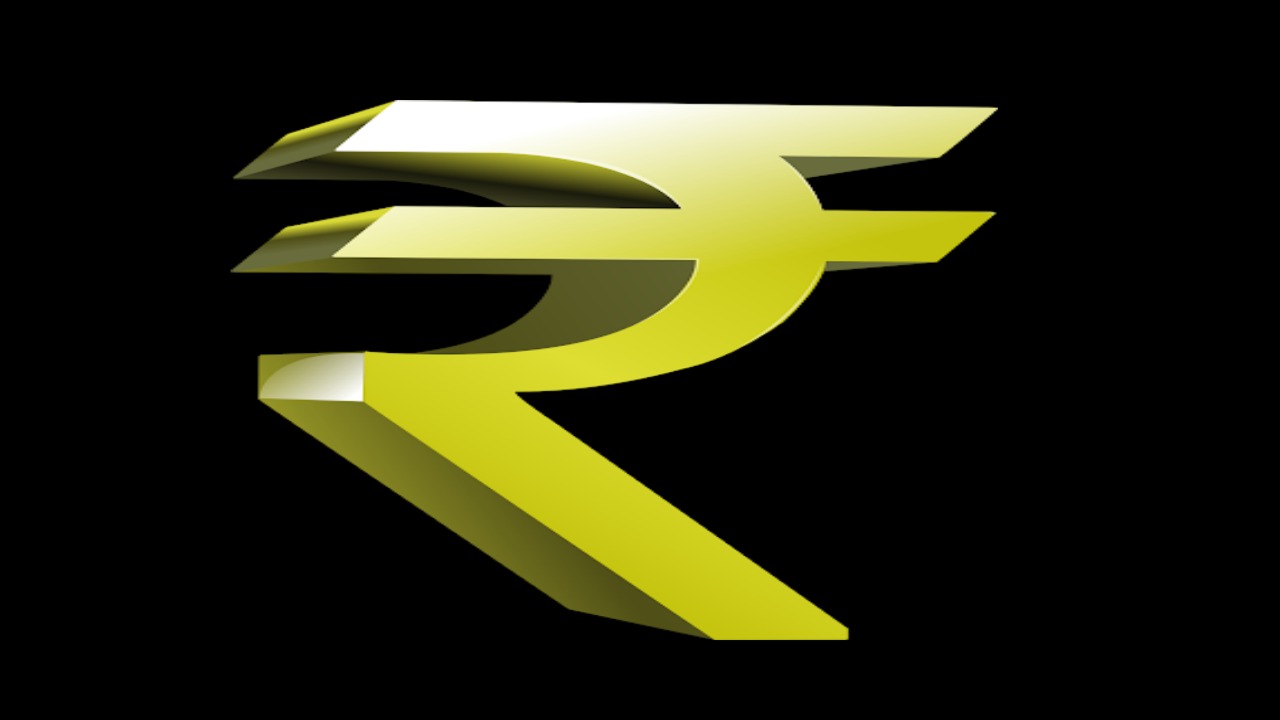
The rupee symbol (₹) is one of the most recognizable symbols in India. It was designed by D. Udaya Kumar in 2009 through a national competition. Since then, the symbol has become an iconic representation of India’s currency. However, recently, the Tamil Nadu government's decision to replace the rupee symbol with a Tamil letter "Ru" in its state budget materials has sparked controversy. This move has led to heated debates, especially with political figures making strong statements about the issue. During this controversy, the rupee symbol designer has shared his thoughts on the matter.
The Controversy Unfolds
The controversy began when the Tamil Nadu government replaced the widely accepted ₹ symbol with a Tamil letter "Ru" in state budget documents. This decision caught the attention of many, including K Annamalai, the state president of the BJP. Annamalai highlighted that the rupee symbol was designed by a Tamilian, D Udaya Kumar, and criticized the state government for disregarding this fact. The DMK government, on the other hand, clarified that the decision was not an attack on the national rupee symbol but an effort to promote the Tamil language.
Udaya Kumar's Response
The rupee symbol designer, D Udaya Kumar, reacted to the controversy gracefully and composure. In an interview with NDTV, Kumar expressed that he was proud of his work and that the controversy did not affect him personally. He emphasized that a designer must be prepared to face criticism and challenges. "Not all our designs are successful or appreciated. You may also face criticism. As a designer, you always take them positively, learn from them, and move on," he explained.
Kumar clarified that he did not see the state’s move as disrespecting his work. He believes that design is open to interpretation and feedback like any other form of expression. “I do not see this (move) as disrespectful or disregarding my work," he added. His humble response reflects his professionalism and commitment to his craft.
The Design Process Behind the Rupee Symbol
In 2009, Udaya Kumar won a national contest to design a symbol for the Indian rupee. The challenge was creating a simple, meaningful, and easily recognizable symbol. Kumar blended elements of the Devanagari letter "Ra" (for Rupee) and the Roman letter "R" to create the ₹ symbol. The symbol was designed to have universal appeal while still staying true to India's rich cultural heritage.
When designing the symbol, Kumar was focused solely on fulfilling the competition's brief. He was not thinking about any potential controversy or backlash. "I was only concerned about the task (in hand) then. I was trying to address the competition brief and fulfill that," he shared in his interview. The result was a clean, modern symbol that would become widely adopted across India in 2010.
Tamil Nadu’s Decision to Replace the Rupee Symbol
The Tamil Nadu government's decision to replace the rupee symbol with the Tamil letter "Ru" has sparked intense debate. Chief Minister MK Stalin’s government shared the new logo online, which was met with strong reactions from the BJP-led center. BJP leaders, including Finance Minister Nirmala Sitharaman, criticized the move, accusing the state of promoting "secessionist sentiments" and creating unnecessary regional divisions.
On the other hand, the DMK clarified that their intention was not to undermine the national rupee symbol but to promote Tamil culture and language. This explanation did little to calm the ongoing dispute, which has been further fueled by the larger debate around the National Education Policy (NEP) and fears of Hindi imposition in Tamil Nadu.
Kumar’s Perspective on the Issue
Udaya Kumar, however, distanced himself from the political debate. He reiterated that he did not want to engage in discussions about the National Education Policy or the political undertones of the controversy. "There are different views and opinions, and I would like to limit myself to the design aspect," he said. Kumar focuses on his work as a designer, not the political consequences that may arise from it.
Interestingly, Kumar also addressed the claim that his design was connected to his father's political legacy. While his father, N Dharmalingam, was a former MLA, Udaya Kumar clarified that his design resulted from his work and was not influenced by any political affiliations. “It is just a coincidence that my father was involved in politics,” he remarked.
The Importance of Design in Cultural Identity
The debate over the rupee symbol highlights the design's larger role in shaping national and cultural identities. The ₹ symbol is not just a representation of the currency; it reflects India’s diversity, rich history, and modern aspirations. For Udaya Kumar, his design was intended to represent India’s global presence while respecting its cultural roots. It symbolizes the country's strength, unity, and modernity.
While the political and cultural debates continue, one thing is clear: The ₹ symbol remains a powerful, meaningful representation of India's economy and identity. Whether it is embraced or challenged by different regions, its impact is undeniable.
Conclusion
Udaya Kumar’s calm and measured response to the controversy surrounding the Tamil Nadu government’s decision to replace the rupee symbol reflects his professionalism and understanding of the design world. As the rupee symbol designer, he remains proud of his creation, viewing the current debate as an opportunity to learn and grow. The controversy may come and go, but the ₹ symbol will continue to serve as a reminder of India’s rich cultural and economic heritage.
If you're interested in learning about more updates and tech news, check out our article on List of banks supported on Google Wallet in Pakistan; how to set it up on your phone.
Read Also: Won Bin: The Actor’s Rare Public Appearance Sparks Global Interest
'%3e%3crect%20y='0.445312'%20width='48'%20height='48'%20rx='24'%20fill='white'%20fill-opacity='0.5'/%3e%3crect%20x='0.5'%20y='0.945312'%20width='47'%20height='47'%20rx='23.5'%20stroke='%23808080'/%3e%3cpath%20d='M34.625%2024.4453L14%2024.4453'%20stroke='%23808080'%20stroke-width='0.920053'/%3e%3cpath%20d='M23.375%2034.4453L13.375%2024.4453L23.375%2014.4453'%20stroke='%23808080'%20stroke-width='0.920053'/%3e%3c/g%3e%3cdefs%3e%3cfilter%20id='filter0_b_489_44344'%20x='-12'%20y='-11.5547'%20width='72'%20height='72'%20filterUnits='userSpaceOnUse'%20color-interpolation-filters='sRGB'%3e%3cfeFlood%20flood-opacity='0'%20result='BackgroundImageFix'/%3e%3cfeGaussianBlur%20in='BackgroundImageFix'%20stdDeviation='6'/%3e%3cfeComposite%20in2='SourceAlpha'%20operator='in'%20result='effect1_backgroundBlur_489_44344'/%3e%3cfeBlend%20mode='normal'%20in='SourceGraphic'%20in2='effect1_backgroundBlur_489_44344'%20result='shape'/%3e%3c/filter%3e%3c/defs%3e%3c/svg%3e)
'%3e%3crect%20y='0.445312'%20width='48'%20height='48'%20rx='24'%20fill='white'%20fill-opacity='0.5'/%3e%3crect%20x='0.5'%20y='0.945312'%20width='47'%20height='47'%20rx='23.5'%20stroke='%23808080'/%3e%3cpath%20d='M13.375%2024.4453L34%2024.4453'%20stroke='%23808080'%20stroke-width='0.920053'/%3e%3cpath%20d='M24.625%2014.4453L34.625%2024.4453L24.625%2034.4453'%20stroke='%23808080'%20stroke-width='0.920053'/%3e%3c/g%3e%3cdefs%3e%3cfilter%20id='filter0_b_489_44344'%20x='-12'%20y='-11.5547'%20width='72'%20height='72'%20filterUnits='userSpaceOnUse'%20color-interpolation-filters='sRGB'%3e%3cfeFlood%20flood-opacity='0'%20result='BackgroundImageFix'/%3e%3cfeGaussianBlur%20in='BackgroundImageFix'%20stdDeviation='6'/%3e%3cfeComposite%20in2='SourceAlpha'%20operator='in'%20result='effect1_backgroundBlur_489_44344'/%3e%3cfeBlend%20mode='normal'%20in='SourceGraphic'%20in2='effect1_backgroundBlur_489_44344'%20result='shape'/%3e%3c/filter%3e%3c/defs%3e%3c/svg%3e)