On July 30, 2025, one of the strongest earthquakes in modern history struck eastern Russia, near the Kamchatka Peninsula. The earthquake had a magnitude of 8.8, making it not only the most powerful earthquake of the year but also one of the largest ever recorded.
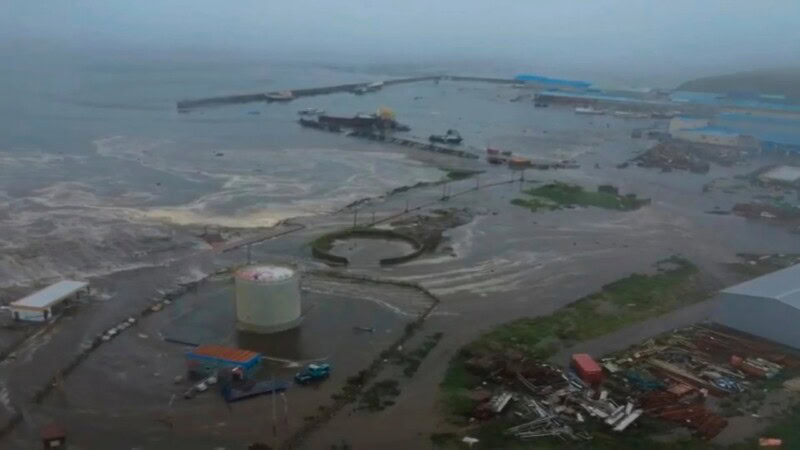
The Russia earthquake sent powerful tsunami waves across the Pacific Ocean. These waves reached as far as Hawaii and the U.S. West Coast, causing widespread alerts, evacuations, and major concerns about coastal safety.
A Powerful Shock Near Kamchatka
The earthquake occurred near the city of Petropavlovsk-Kamchatsky, a city in far eastern Russia with a population of around 180,000 people. It struck at a depth of just 12.8 miles (20.7 km) below the surface, which is considered shallow for an earthquake of this magnitude. Shallow quakes often cause more damage because the energy is released closer to the surface.
When the shaking began, many residents ran into the streets in panic. Some left their homes without shoes or jackets. Inside homes and buildings, cabinets toppled over, mirrors shattered, and balconies swayed. The Russian Emergency Ministry reported damage to buildings, including a kindergarten, and there were several injuries, though no confirmed deaths at the time of reporting.
Power outages were reported across parts of the Kamchatka region. Mobile phone networks also went down, adding to the confusion and difficulty in communicating during the emergency. The local government declared a state of emergency for the Kuril Islands, a chain of islands southeast of the peninsula that were hit hard by tsunami waves shortly after the quake.
Tsunami Waves Travel Across the Pacific
Within hours of the initial shock, tsunami waves began spreading east and south from the epicenter. These waves, although not towering walls of water, were still very dangerous due to their speed, force, and unpredictability.
In Hawaii, the water along the coastlines pulled back dramatically, between 20 and 30 feet, especially on the island of Oahu. Boats were left sitting on dry sand, and coastal roads were filled with traffic as people rushed to higher ground. Sirens rang out across the islands. Authorities quickly opened evacuation routes, including mountain passes, to help residents escape from coastal areas. Thankfully, there were no immediate reports of damage in Hawaii, but officials continued to monitor the situation.
Along the U.S. West Coast, places like Crescent City, California, recorded tsunami waves up to 3.6 feet. That may not sound like much, but combined with powerful currents and tidal swings, these waves created serious hazards. In San Francisco, the National Weather Service warned about tidal changes of up to 2.5 feet within just 15 minutes. These rapid shifts in water level can easily pull swimmers, surfers, and even small boats into dangerous conditions.
Emergency alerts were issued throughout California, Oregon, Washington, and parts of Alaska. Some advisories were later downgraded or canceled, but the initial concern was high. Residents were told to avoid beaches, harbors, and marinas until officials gave the all-clear.
Global Response and Warnings
The Russia earthquake wasn’t just a local or regional event. It was a global concern. Countries all around the Pacific Ocean quickly responded with tsunami warnings and evacuation orders.
In Japan, the meteorological agency warned of tsunami waves up to 10 feet high. The government advised nearly one million people across 133 municipalities to evacuate. While not everyone followed the orders, many people in vulnerable areas moved to safer ground. Japanese nuclear plants along the coast reported no damage, and thousands of workers at the Fukushima plant were temporarily relocated to higher ground.
In the Philippines, officials warned of possible waves between 1 and 3 feet. Even though the waves were not large, authorities stressed that they could be deadly due to strong currents and long-lasting surges. People were told to stay away from beaches and coastal areas for several hours.
Mexico’s navy issued alerts for the country’s Pacific coast, especially around Ensenada, near the U.S. border. The tsunami was expected to reach Mexico’s northern coast early in the morning and continue south toward Chiapas. Citizens were advised not to go near the shore.
In New Zealand, even though it is about 6,000 miles from the quake’s epicenter, emergency services warned of strong and unusual currents. People were urged to leave the water, beaches, and estuaries until the risk passed.
Other countries, including Chile, Ecuador, and the Solomon Islands, also issued alerts, warning of waves between 3 and 10 feet. The Pacific Tsunami Warning Center played a key role in coordinating alerts and data across nations.
A Reminder of Earthquake History and Risk
This Russia earthquake is a reminder of the power of nature—and the risk shared by all nations bordering the Pacific Ring of Fire. The Kamchatka Peninsula is no stranger to large quakes. In 1952, a magnitude 9.0 earthquake struck the same region, sending 30-foot waves all the way to Hawaii. Another powerful quake of 8.4 magnitude happened there in 1923.
Earlier in July 2025, five strong quakes had already shaken the sea near Kamchatka. The largest reached 7.4 magnitude. Experts now say those may have been foreshocks, more minor earthquakes that happen before a major one.
This most recent earthquake was also the strongest globally since the 2011 Japan quake, which caused a massive tsunami and led to the Fukushima nuclear disaster.
What This Means for the U.S.
While the earthquake struck far from the mainland United States, the Russia earthquake shows how deeply connected the world is, especially through natural forces like tectonic plates and ocean currents.
The U.S. West Coast lies along the same fault zones that produced this earthquake. Areas like California, Oregon, and Washington are at risk of similar quakes and tsunamis. Experts have long warned about the potential for a so-called “Big One” in California, which could cause serious damage and loss of life.
This event serves as a wake-up call. It shows that preparedness saves lives. Thanks to modern early warning systems, countries had time to warn people, stop transportation, and begin evacuations before the waves arrived.
Final Thoughts: Be Ready, Stay Safe
The Russia earthquake of July 2025 will be remembered for its size, reach, and the powerful reminder it gave us all. While the immediate damage in the U.S. was minimal, the potential was enormous. It’s a clear example of how an earthquake in one part of the world can affect people thousands of miles away.
For people in the United States, especially in coastal areas, this is a good time to think about emergency preparedness. Know your evacuation route. Have an emergency kit ready. Sign up for alerts from local emergency services. And most importantly, stay informed.
Read Also: Atlas Honda CG 150 – Affordable 150cc Motorcycle Power