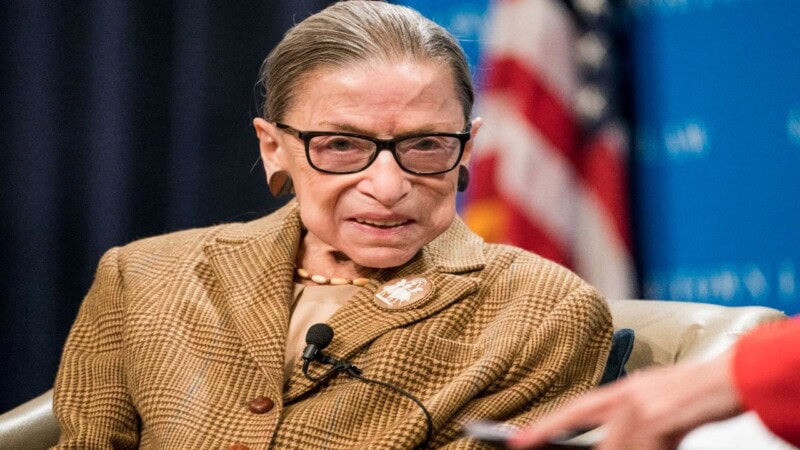
Ruth Bader Ginsburg was a champion of justice, a defender of women’s rights, and a legal icon. Her work on the Supreme Court transformed the legal landscape of the United States. This blog explores her life, achievements, and lasting legacy.
Early Life and Education
Ruth Bader Ginsburg was born on March 15, 1933, in Brooklyn, New York, to Celia and Nathan Bader. Her mother, Celia, was a strong influence in her life, encouraging her education and independence. Celia passed away just before Ruth’s high school graduation, leaving a lasting impact on her daughter’s determination.
Ginsburg excelled in her studies and graduated from James Madison High School. She then attended Cornell University, where she majored in government and graduated as the highest-ranking female student in her class. At Cornell, she met Martin Ginsburg, whom she married shortly after graduation.
After marriage, Ginsburg enrolled at Harvard Law School, where she was one of only nine women in a class of over 500 men. She balanced her rigorous studies with raising her young daughter and supporting her husband through a serious illness. Despite these challenges, she excelled academically and became the first female member of the Harvard Law Review.
When Martin took a job in New York, she transferred to Columbia Law School, where she continued her stellar academic performance. She graduated in 1959, tying for first place in her class, yet faced significant gender-based barriers in finding employment.
Legal Career and Advocacy
Despite her exceptional qualifications, Ruth Bader Ginsburg faced gender discrimination early in her career. Few law firms wanted to hire women, but she persevered. She became a law professor and co-founded the Women’s Rights Project at the American Civil Liberties Union (ACLU). Her work led to major legal victories that advanced gender equality in the U.S.
Appointment to the Supreme Court
In 1993, President Bill Clinton nominated Ruth Bader Ginsburg to the U.S. Supreme Court. She was only the second woman ever to serve on the Court. Throughout her tenure, she fought for equal rights, civil liberties, and fair treatment under the law.
Landmark Cases and Decisions
Ruth Bader Ginsburg played a key role in many important cases. Some of her most significant rulings include:
United States v. Virginia (1996): She wrote the majority opinion that struck down the male-only admission policy at the Virginia Military Institute.
Ledbetter v. Goodyear Tire & Rubber Co. (2007): Though she dissented in this case, her strong stance inspired the Lilly Ledbetter Fair Pay Act, which strengthened equal pay laws.
Shelby County v. Holder (2013): She dissented against the decision that weakened the Voting Rights Act, warning it would lead to voter suppression.
The “Notorious RBG” Legacy
Ruth Bader Ginsburg became a pop culture icon, earning the nickname “Notorious RBG.” Her dedication to justice, sharp legal mind, and resilience inspired millions. She became a symbol of strength and perseverance, especially for young women and advocates of equality.
Her Final Years and Passing
Even in her final years, Ruth Bader Ginsburg remained active on the bench. She continued to write influential opinions and dissents, shaping the legal landscape despite facing serious health challenges. Diagnosed with cancer multiple times, she underwent surgeries, chemotherapy, and radiation while never stepping away from her duties. Her resilience was a testament to her dedication to justice.
In 2020, she announced that her cancer had returned, but she remained committed to her work. She reassured the public that she would continue serving as long as she was able. Sadly, on September 18, 2020, she passed away at the age of 87 due to complications from pancreatic cancer. Her passing was a profound loss for the nation, and thousands gathered outside the Supreme Court to pay tribute to her legacy.
She was the first woman to lie in state at the U.S. Capitol, a historic honour recognizing her immense contributions to the country. Leaders from around the world praised her work and dedication, emphasizing the lasting influence she had on law and equality.
Lasting Influence and Memorials
Ruth Bader Ginsburg’s influence lives on. She paved the way for future generations of lawyers, judges, and activists. Schools, libraries, and scholarships have been named in her honor. The U.S. Postal Service issued a commemorative stamp in her memory, and numerous statues and murals celebrate her legacy.
Her writings and legal opinions continue to shape discussions on gender equality and civil rights. Young women studying law find inspiration in her perseverance and achievements. Each year, various organizations hold events to honour her contributions, ensuring that her dedication to justice is never forgotten.
Her legacy reminds us to fight for equality and justice every day. The principles she stood for remain a guiding light for those striving to make the world a fairer place.
Conclusion
Ruth Bader Ginsburg changed the world through her work. She fought for fairness, challenged discrimination, and left a lasting impact on the legal system. Her life teaches us that persistence and courage can drive change. Her legacy will continue to inspire generations to come.
Read Also: A cast of the Deliverance: Meet the Stars Behind Lee Daniels’ Supernatural Thriller