
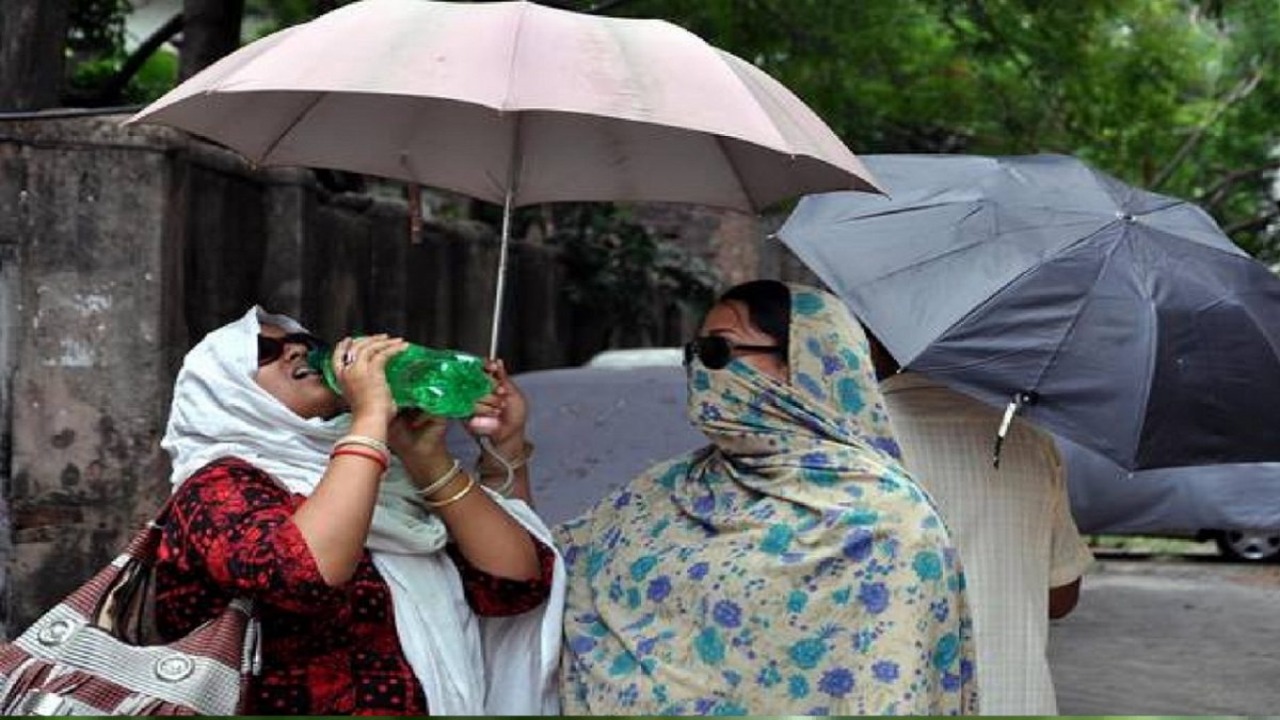


Severe heatwave alert issued as global temps break records
The world isn’t just heating up—it’s scorching. From Delhi’s dry winds to the asphalt-melting streets of Phoenix, severe heatwave alerts are becoming a fixture on the news ticker. It’s no longer just about summer being “hotter than usual”; it's about entire regions shutting down, hospitals filling up, and infrastructure buckling under relentless, record-breaking heat.
A severe heatwave alert isn’t merely a weather update. It’s a warning flag—issued by meteorological departments—to signal dangerously high temperatures that pose threats to health, agriculture, and daily life. The frequency of these alerts is rising, and so is their severity. This growing pattern has sparked concern across continents as both urban and rural zones grapple with how to respond effectively.
What is a Severe Heatwave Alert?
A severe heatwave alert serves as a public advisory, often triggered when temperatures exceed the seasonal average by a significant margin—typically 6°C or more over consecutive days. These alerts are critical for early response planning. They're not about mild discomfort but the threshold where outdoor activity becomes a health hazard.
Meteorological departments use various indicators—temperature spikes, humidity levels, and wind patterns—to determine when to declare an alert. Once issued, public health departments, schools, and even transit systems adjust operations accordingly. It’s not uncommon for flights to be delayed or power grids to operate at near-burst capacity in response.
The severity of a severe heatwave often hinges on humidity, night-time temperatures, and urban design. Concrete-heavy cities trap heat, turning urban centers into “heat islands” that barely cool down after sunset, further stressing vulnerable populations.
Global Temperature Records: Breaking Boundaries
2024 closed with a headline few could ignore: the hottest year in recorded human history. In cities like Seville, Madrid, and Cairo, thermometers climbed beyond 45°C, shattering long-standing records. In India, parts of Rajasthan and Delhi reported highs nearing 50°C—resulting in multiple fatalities and widespread power shortages.
Meanwhile, the U.S. Southwest experienced one of its longest heat waves, with Phoenix recording 31 consecutive days above 43°C. Across Europe, severe heatwave alerts interrupted travel, forced evacuations, and overwhelmed health services.
The urgency isn’t speculative. For those looking for a comprehensive view of how the planet is reacting, this detailed report on 2024's historic temperature milestones provides a broader context on how climate extremes are no longer anomalies—they're patterns.
Health Risks During a Severe Heatwave
When the mercury rises, so do emergency room visits. Severe heatwaves strain the body in ways that aren’t always visible. Heat exhaustion, heatstroke, and severe dehydration are just the beginning. These risks multiply for children, the elderly, and those with pre-existing health conditions.
The signs can be subtle—a racing heart, dry skin despite the heat, confusion—but the outcomes can be devastating. During a severe heatwave alert, hospitals often prepare for a surge in heat-related illnesses. In poorer regions, where access to clean water and air conditioning is limited, mortality rates spike alarmingly.
Precaution, not panic, becomes the most powerful tool. Cooling down in shaded areas, wearing loose-fitting clothes, avoiding caffeine and alcohol, and most importantly, staying hydrated can mitigate the worst of the heat's effects.
Coping Strategies During a Severe Heatwave Alert
Surviving a severe heatwave isn’t about enduring—it’s about adapting. Simple changes in routine make a big difference. Shifting outdoor work hours, keeping curtains drawn during peak sunlight, and even switching meals to lighter, cooler options like fruits and salads can help regulate body temperature.
Communities play a massive role in coping too. Local authorities often open cooling shelters and organize water distribution drives. In cities like Paris and Tokyo, public fountains and misting stations offer quick relief for those on the move.
Another underappreciated resource? Technology. Apps that track heatwave alerts or provide heat maps allow residents to plan safer commutes and avoid exposed zones.
Climate Change and the Intensification of Heatwaves
The question no longer is if climate change is driving heatwaves—it’s how fast it's making them worse. The Earth’s rising baseline temperature means that each summer starts from a hotter place. That foundation, when stacked with El Niño effects and urban sprawl, creates a cocktail of conditions ripe for severe heat waves.
Scientific journals have traced a direct line between carbon emissions, deforestation, and the length and intensity of modern heatwaves. What used to be considered once-in-a-decade events are now seasonal occurrences, forcing climate models to revise projections with sobering frequency.
Unless emissions are curbed and cities adopt climate-resilient designs—green roofs, better ventilation, tree-lined streets—the outlook suggests longer summers, stronger severe heatwave alerts, and far greater human toll.
Conclusion
The planet is heating up, and the alerts are no longer distant headlines. They are local. They are immediate. A severe heatwave alert is not just a weather forecast—it's a lifeline. It signals when to change plans, check on neighbors, and recognize that nature isn’t just warming up; it’s warning us.
As global records continue to fall and the intensity of severe heatwaves escalates, adapting to this new climate reality becomes a necessity. Governments, communities, and individuals each play a role in shaping the response—because the heat is no longer coming. It's already here.
'%3e%3crect%20y='0.445312'%20width='48'%20height='48'%20rx='24'%20fill='white'%20fill-opacity='0.5'/%3e%3crect%20x='0.5'%20y='0.945312'%20width='47'%20height='47'%20rx='23.5'%20stroke='%23808080'/%3e%3cpath%20d='M34.625%2024.4453L14%2024.4453'%20stroke='%23808080'%20stroke-width='0.920053'/%3e%3cpath%20d='M23.375%2034.4453L13.375%2024.4453L23.375%2014.4453'%20stroke='%23808080'%20stroke-width='0.920053'/%3e%3c/g%3e%3cdefs%3e%3cfilter%20id='filter0_b_489_44344'%20x='-12'%20y='-11.5547'%20width='72'%20height='72'%20filterUnits='userSpaceOnUse'%20color-interpolation-filters='sRGB'%3e%3cfeFlood%20flood-opacity='0'%20result='BackgroundImageFix'/%3e%3cfeGaussianBlur%20in='BackgroundImageFix'%20stdDeviation='6'/%3e%3cfeComposite%20in2='SourceAlpha'%20operator='in'%20result='effect1_backgroundBlur_489_44344'/%3e%3cfeBlend%20mode='normal'%20in='SourceGraphic'%20in2='effect1_backgroundBlur_489_44344'%20result='shape'/%3e%3c/filter%3e%3c/defs%3e%3c/svg%3e)
'%3e%3crect%20y='0.445312'%20width='48'%20height='48'%20rx='24'%20fill='white'%20fill-opacity='0.5'/%3e%3crect%20x='0.5'%20y='0.945312'%20width='47'%20height='47'%20rx='23.5'%20stroke='%23808080'/%3e%3cpath%20d='M13.375%2024.4453L34%2024.4453'%20stroke='%23808080'%20stroke-width='0.920053'/%3e%3cpath%20d='M24.625%2014.4453L34.625%2024.4453L24.625%2034.4453'%20stroke='%23808080'%20stroke-width='0.920053'/%3e%3c/g%3e%3cdefs%3e%3cfilter%20id='filter0_b_489_44344'%20x='-12'%20y='-11.5547'%20width='72'%20height='72'%20filterUnits='userSpaceOnUse'%20color-interpolation-filters='sRGB'%3e%3cfeFlood%20flood-opacity='0'%20result='BackgroundImageFix'/%3e%3cfeGaussianBlur%20in='BackgroundImageFix'%20stdDeviation='6'/%3e%3cfeComposite%20in2='SourceAlpha'%20operator='in'%20result='effect1_backgroundBlur_489_44344'/%3e%3cfeBlend%20mode='normal'%20in='SourceGraphic'%20in2='effect1_backgroundBlur_489_44344'%20result='shape'/%3e%3c/filter%3e%3c/defs%3e%3c/svg%3e)