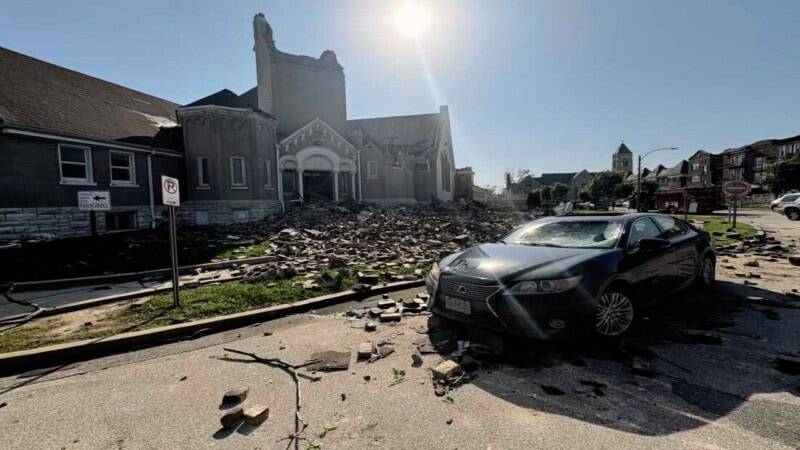
A powerful force of nature struck the heart of Missouri on May 16, 2025, leaving a trail of heartbreak, destruction, and uncertainty. The St. Louis tornado tore through the city on a quiet Friday evening, quickly turning it into a disaster zone. With at least five lives lost, thousands of homes destroyed, and over 100,000 residents left without power, the St. Louis tornado news has captured the attention of the entire nation.
What Happened in the St. Louis Tornado 2025?
Around 2:30 PM local time, the tornado in St. Louis, MO touched down west of the city, near Forest Park , a well-known area that houses the St. Louis Zoo and was once the location of the 1904 Olympic Games. From there, it carved a devastating path through neighborhoods, snapping trees, flipping vehicles, and tearing roofs from buildings.
The twister’s journey followed a major road, amplifying the damage in populated areas. First responders, including the St. Louis Fire Department, were quickly on the scene. They reported conducting door-to-door searches, especially in the hardest-hit zones.
Impact on Lives and Property
The St. Louis tornado 2025 has left at least five people dead. One tragic incident occurred at the Centennial Christian Church, where three individuals were trapped after part of the building collapsed. Despite brave rescue efforts, one person later died from their injuries. The city’s fire department also reported several other rescues from collapsed structures and debris-covered homes.
The numbers are staggering: more than 5,000 structures suffered damage ranging from broken windows and missing shingles to total destruction. Power lines littered the streets, plunging over 100,000 homes into darkness. Emergency shelters quickly filled with families seeking refuge.
Community Response and Curfews
In an effort to keep people safe and prevent looting, officials imposed a citywide curfew from 9:00 PM to 6:00 AM in the most affected neighborhoods. The local government, alongside volunteers and emergency workers, began clearing streets and restoring basic services.
Mayor Cara Spencer addressed the public with a somber message: “Our city is grieving tonight. The loss of life and the destruction is truly, truly horrendous. We’re going to have a lot of work to do in the coming days. There is no doubt there, but tonight we are focused on saving lives and keeping people safe and allowing our community to grieve.”
More Than One Tornado
While St. Louis tornado news dominated headlines, it wasn’t the only twister reported. The National Weather Service confirmed that at least six other tornadoes struck across Missouri and neighboring Illinois. Severe weather conditions stretched all the way to the Atlantic coast, signaling an unusually intense spring storm system.
The widespread nature of this weather outbreak reveals a growing concern among meteorologists. They point to climate change and warming air masses that are feeding stronger, faster, and more unpredictable storms.
Why This Tornado Was So Dangerous
Unlike rural tornadoes that hit farmland or sparsely populated areas, the tornado in St. Louis, MO hit urban zones with dense populations and aging infrastructure. The twister’s route crossed highways, shopping areas, and historical neighborhoods, multiplying the potential for harm.
Many residents reported only a few minutes of warning. Some heard the sirens, while others received alerts on their phones. But for many, it wasn’t enough time to reach safe shelters. This has reignited conversations about better early-warning systems and community preparedness.
Rebuilding After the St. Louis Tornado
In the days following the St. Louis tornado 2025, cleanup crews and insurance assessors have begun evaluating the damage. Local businesses, nonprofits, and federal agencies like FEMA are working together to provide aid.
Food trucks and volunteers are feeding affected families. School gyms have turned into temporary shelters. Churches and community centers are collecting clothing and supplies. Despite the pain and loss, the spirit of the people is shining through.
This moment calls for long-term rebuilding plans, including more resilient building codes, tornado-safe community shelters, and infrastructure upgrades. Experts suggest that city planners will now have to include tornado-resistance in future designs.
Insights and Lessons from the St. Louis Tornado
Every disaster teaches valuable lessons. The St. Louis tornado 2025 has highlighted the urgency of weather preparedness in major cities. Here are some key takeaways:
-
Emergency Alerts Must Improve: Many victims say they didn’t receive timely warnings. City officials are now working with tech firms to improve geo-targeted alerts.
-
Infrastructure Needs Upgrading: Older buildings without basements or storm shelters are more vulnerable.
-
Community Training Works: Areas with community-led disaster training saw fewer injuries, showing the value of local readiness programs.
-
Mental Health Support is Crucial: Surviving a tornado is traumatic. The city is setting up free counseling and trauma recovery services.
How You Can Help
The recovery from the tornado in St. Louis, MO will take time. People can help by donating to trusted organizations like the American Red Cross, United Way of Greater St. Louis, and local shelters. Volunteer programs are also looking for extra hands to help distribute supplies, clear debris, and provide emotional support.
Even if you’re not from Missouri, your contribution can make a big difference. Sharing verified information on social media, offering temporary housing through platforms like Airbnb, or simply sending words of support can mean the world to someone who’s lost everything.
Final Thoughts
The St. Louis tornado is more than a headline, it’s a sobering reminder of nature’s power and the need for resilience. From the loss of loved ones to the destruction of homes and neighborhoods, the pain runs deep. But so does the strength of the people of St. Louis.
As the city rebuilds, it stands as a symbol of hope and unity. In the face of tragedy, humanity responds not with fear, but with courage, compassion, and resolve. The road ahead may be long, but with each helping hand, each neighborly act, and each policy improved, St. Louis will rise again.
For more details on similar tragic events, read about the Dominican Republic nightclub roof collapse that left nearly 100 dead here.