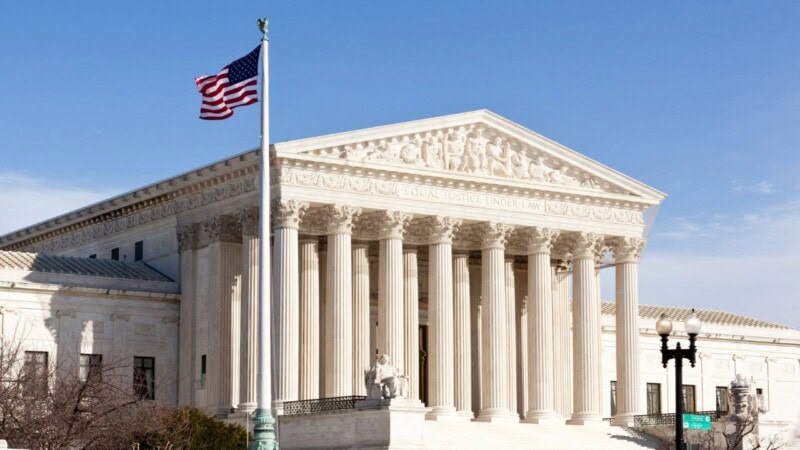
In a significant decision that will reverberate through the U.S. legal and political landscapes, the Supreme Court sided with the Trump administration regarding the controversial deportation of Venezuelan gang members under the 1798 Alien Enemies Act. This decision, delivered on April 7, 2025, marks a key moment in the administration’s ongoing attempts to assert control over national security and immigration policies.
The ruling was a 5-to-4 vote, with conservative justices in the majority and liberal justices dissenting. It has ignited intense debate about the balance of power between the executive and judicial branches, the rights of individuals facing deportation, and the legal interpretations of laws that have been dormant for over two centuries.
What is the Alien Enemies Act?
The Alien Enemies Act, dating back to 1798, was originally designed to grant the U.S. government the authority to detain and deport foreign nationals from countries involved in war with the United States. Historically, it was invoked only during wartime, most notably against Japanese, German, and Italian nationals during World War II.
The Trump administration argued that the law applied to Venezuelan nationals, specifically members of the gang Tren de Aragua (TdA), which the U.S. government labeled a Foreign Terrorist Organization (FTO) in February 2025. According to the Trump administration, this group posed a national security threat, and their presence in the U.S. could be seen as an “invasion,” justifying deportation under the Alien Enemies Act.
The Supreme Court Decision: What Does it Mean?
In essence, the Supreme Court did not directly rule on whether the Alien Enemies Act could be applied to Venezuelan gang members. Instead, the Court allowed the Trump administration to continue the deportations but with one key caveat: detainees must be given notice of their deportation and an opportunity to challenge it in court on an individual basis.
The Court’s decision means that alleged gang members being deported under this law will not be able to file a class-action lawsuit, as civil rights organizations had sought. Instead, those who wish to contest their deportation must do so individually through “habeas petitions,” a legal process that allows detainees to challenge their imprisonment.
This decision is seen as a win for the Trump administration. It enables continued deportations of what they consider dangerous foreign nationals, but with some procedural safeguards to ensure due process rights are upheld.
Why is the Decision Controversial?
The ruling has sparked immediate controversy for several reasons. First, the legal application of the Alien Enemies Act to gang members, rather than state actors from a nation at war with the U.S., is unprecedented. Critics argue that using this 1798 law to target individuals linked to a gang rather than an actual nation at war could set a dangerous precedent.
Additionally, the Court’s decision to allow the Trump administration to continue deportations with minimal procedural protections for detainees has raised concerns about due process. Justice Sonia Sotomayor, one of the dissenting justices, argued that even the majority of the Court recognized that detainees should be notified of their removal and given a chance to contest it before deportation. However, she lamented that the Court went too far in granting the government “extraordinary relief,” which bypasses much of the typical judicial review process.
The Dissenting Opinions: Concerns Over the Rule of Law
Justices Sonia Sotomayor, Ketanji Brown Jackson, and others who dissented in the case warned about the potential erosion of judicial oversight in the context of national security decisions. Justice Jackson specifically cautioned that decisions like this could set a harmful precedent for future cases, where executive powers are expanded without adequate judicial scrutiny.
The dissenters also expressed concerns about the Court’s growing reliance on emergency orders, which can often sidestep the usual, more deliberate process of hearings and debates. This trend is what some have dubbed the “shadow docket,” where significant decisions are made with limited transparency or discussion.
Furthermore, Justice Sotomayor pointed to past instances where the U.S. government overstepped its bounds, such as the internment of Japanese Americans during World War II, as a cautionary tale. She argued that by allowing the government to bypass normal legal processes in the name of national security, the Court was opening the door to potentially harmful decisions that could impact civil liberties.
The Broader Implications for Immigration and National Security
The Supreme Court’s ruling also has significant implications for immigration law and national security policy in the U.S. The decision aligns with the Trump administration’s broader approach to immigration enforcement, which often prioritizes deportation for individuals deemed to pose a national security threat, regardless of their ties to specific nation-states.
This case underscores the tension between national security concerns and the rights of individuals facing deportation. Critics of the ruling argue that it allows the government too much latitude to detain and remove people from the country without adequate due process protections. They also express concern about how this decision could affect future deportations and the broader treatment of immigrants and foreign nationals in the U.S.
At the same time, supporters of the ruling argue that the Court has correctly recognized the government’s responsibility to protect national security and the safety of its citizens. They assert that allowing the administration to continue deportations, even under controversial legal grounds, is essential for maintaining order and protecting Americans from potential threats.
What’s Next for the Deportation Battle?
The battle over the use of the Alien Enemies Act is far from over. The Court’s decision allows deportations to continue, but it also opens the door for further legal challenges. Individuals affected by the ruling will likely file habeas petitions to challenge their detention and deportation on a case-by-case basis.
This decision will undoubtedly influence the future of U.S. immigration policy, especially as the Trump administration (or future administrations) seeks to expand executive powers in the realm of national security. The continuing legal battles will likely focus on finding a balance between ensuring national security and protecting individuals’ constitutional rights.
Conclusion: The Supreme Court’s Role in Shaping Policy
In this highly contentious case, the Supreme Court has played a pivotal role in shaping the future of U.S. immigration and deportation policy. While the decision is a victory for the Trump administration, it is clear that the legal and moral questions surrounding the case will continue to evolve. As the country grapples with the intersection of national security and individual rights, the Supreme Court will undoubtedly be at the center of the debate, making decisions that will affect the lives of many.
Read More: Discover the Fascinating World of Capes: From Coastal Landmarks to Iconic Fashion Statements