


Tap Water Bacteria: What You Need to Know to Stay Safe in 2025
Tap water is a daily essential in every American household, used for drinking, cooking, brushing teeth, and cleaning. But what if that clear liquid flowing from the faucet isn’t as safe as it seems? Recent contamination scares in the UK and past incidents in the U.S. have spotlighted a growing concern: tap water bacteria. These invisible threats can carry harmful pathogens, leading to serious health issues if ignored. Understanding what’s in tap water, how bacteria enter the system, and the symptoms of exposure is crucial for protecting personal and family health.
Is Tap Water Safe? Understanding the Hidden Dangers of Tap Water Bacteria
Tap water is something most people in the U.S. trust. From brushing teeth to making coffee, clean water is taken for granted. But what if the water coming out of your faucet contains something harmful? That’s the growing concern around tap water bacteria.
In 2025, water contamination incidents across the world have raised alarm bells. These bacteria may not be visible, but they can cause serious health problems.
What Is Tap Water Bacteria?
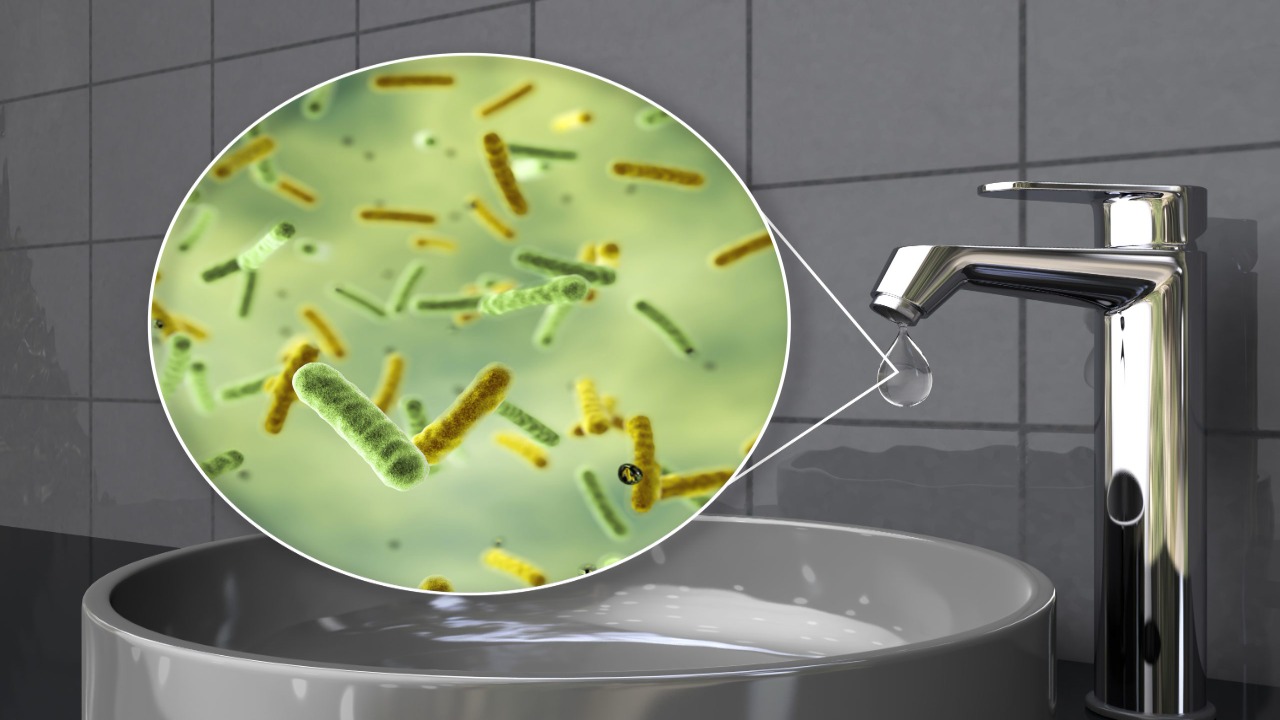
Tap water bacteria are microorganisms that live in water systems. While some are harmless, others can cause illness. Contaminants can enter the water through broken pipes, untreated sewage, or runoff from farms.
These bacteria aren’t just a minor inconvenience. The presence of coliform bacteria, for example, may suggest that tap water bacteria harmful to humans could be present, like E. coli or cryptosporidium.
Tap Water Bacteria Symptoms to Watch Out For
When harmful bacteria enter the water supply, health symptoms can appear quickly, especially among children, the elderly, and people with weak immune systems. Some of the most common tap water bacteria symptoms include:
-
Stomach cramps
-
Vomiting
-
Diarrhea
-
Fever
-
Dehydration
In severe cases, these symptoms may lead to hospitalization or long-term digestive issues. Early detection is key, so it’s important to pay attention to these signs.
4 Types of Pathogens Found in Water
Not all pathogens are bacteria. Some are viruses or parasites. These are the four most common types of pathogens found in water:
-
Bacteria – Like E. coli and Legionella.
-
Viruses – Such as norovirus and hepatitis A.
-
Parasites – Including giardia and cryptosporidium.
-
Fungi – Mold spores can sometimes enter water systems.
These pathogens vary in their effects, but all can lead to significant illness when consumed through tap water.
Real-Life Scare: The UK Tap Water Bacteria Outbreak in May 2025
The dangers of contaminated tap water became very real for residents of North Yorkshire, UK, in May 2025. A routine test by Yorkshire Water detected high levels of coliform bacteria. This led to an urgent "do not drink" warning, affecting nearly 200 postal zones.
People were told to boil their tap water before using it for drinking, brushing teeth, or even rinsing vegetables. Experts feared the presence of cryptosporidium, a parasite that can survive standard water treatment.
The incident was resolved after a few days, but not without sparking massive concern. Many criticized the ageing water infrastructure and questioned whether water providers were doing enough.
Similar outbreaks in Devon and Surrey in 2024 suggest this is not an isolated event. With growing infrastructure issues, these incidents could become more frequent worldwide.
Why Tap Water Bacteria Is Harmful to Health
When harmful bacteria invade the water supply, they bypass the body’s natural defense systems. Drinking water is directly absorbed, so any toxins or bacteria in the water can reach internal organs quickly.
Tap water bacteria harmful to health may cause:
-
Long-term stomach issues
-
Liver infections
-
Weakened immunity
-
In children, slowed growth or development
For some, like cancer patients or pregnant women, the impact can be life-threatening. That’s why knowing the source and safety of your tap water is crucial.
How Do These Bacteria Enter Tap Water?
There are many ways tap water becomes contaminated:
-
Leaks in old pipes
-
Animal waste runoff after storms
-
Malfunctioning treatment plants
-
Poor sanitation in water storage tanks
Even in developed countries like the U.S., infrastructure challenges can lead to contamination. The American Society of Civil Engineers has rated the U.S. water system with a C- grade, pointing to widespread problems in pipeline age and funding.
Protecting Yourself: What You Can Do at Home
Here are some steps to reduce your exposure to tap water bacteria:
-
Install a Water Filter – Use certified filters that block bacteria and parasites.
-
Boil Water When Unsure – Especially during local advisories.
-
Test Your Water – Home testing kits are easy to use and affordable.
-
Stay Informed – Sign up for local water quality alerts.
-
Use Bottled Water During Emergencies – Always keep a backup.
When to See a Doctor
If you're experiencing symptoms like stomach pain, vomiting, or diarrhea and suspect it could be from your tap water, see a healthcare provider. Mention any boil water notices or tap water issues in your area. Early treatment can prevent complications.
Looking Ahead: Will Tap Water Be Safer in the Future?
Governments and water companies face growing pressure to modernize water infrastructure. In the U.S., federal investment in water safety is increasing, but change takes time. Until then, being proactive is the best defense.
The 2025 UK contamination event is a strong reminder that clean water should not be taken for granted. As awareness rises, consumers can play a big role by reporting issues and staying alert.
FAQs
Q: Can tap water bacteria cause long-term illness?
Yes. If untreated, infections like cryptosporidium can lead to lasting digestive problems.
Q: Is boiling water enough to kill bacteria?
In most cases, yes. Boiling for at least 1 minute can kill most harmful organisms.
Q: Should I be worried about U.S. tap water?
While most areas are safe, localized contamination can happen. Stay updated on local alerts.
Final Thoughts
Tap water bacteria may be invisible, but the risks are very real. With symptoms that can range from mild discomfort to life-threatening illness, taking water safety seriously is essential.
Understanding the 4 types of pathogens found in water, recognizing tap water bacteria symptoms, and accepting that tap water bacteria harmful effects can happen even in developed nations helps everyone stay safer.
For more insights into unsafe drinking water, see this list of 19 bottled water brands deemed unsafe for consumption.
'%3e%3crect%20y='0.445312'%20width='48'%20height='48'%20rx='24'%20fill='white'%20fill-opacity='0.5'/%3e%3crect%20x='0.5'%20y='0.945312'%20width='47'%20height='47'%20rx='23.5'%20stroke='%23808080'/%3e%3cpath%20d='M34.625%2024.4453L14%2024.4453'%20stroke='%23808080'%20stroke-width='0.920053'/%3e%3cpath%20d='M23.375%2034.4453L13.375%2024.4453L23.375%2014.4453'%20stroke='%23808080'%20stroke-width='0.920053'/%3e%3c/g%3e%3cdefs%3e%3cfilter%20id='filter0_b_489_44344'%20x='-12'%20y='-11.5547'%20width='72'%20height='72'%20filterUnits='userSpaceOnUse'%20color-interpolation-filters='sRGB'%3e%3cfeFlood%20flood-opacity='0'%20result='BackgroundImageFix'/%3e%3cfeGaussianBlur%20in='BackgroundImageFix'%20stdDeviation='6'/%3e%3cfeComposite%20in2='SourceAlpha'%20operator='in'%20result='effect1_backgroundBlur_489_44344'/%3e%3cfeBlend%20mode='normal'%20in='SourceGraphic'%20in2='effect1_backgroundBlur_489_44344'%20result='shape'/%3e%3c/filter%3e%3c/defs%3e%3c/svg%3e)
'%3e%3crect%20y='0.445312'%20width='48'%20height='48'%20rx='24'%20fill='white'%20fill-opacity='0.5'/%3e%3crect%20x='0.5'%20y='0.945312'%20width='47'%20height='47'%20rx='23.5'%20stroke='%23808080'/%3e%3cpath%20d='M13.375%2024.4453L34%2024.4453'%20stroke='%23808080'%20stroke-width='0.920053'/%3e%3cpath%20d='M24.625%2014.4453L34.625%2024.4453L24.625%2034.4453'%20stroke='%23808080'%20stroke-width='0.920053'/%3e%3c/g%3e%3cdefs%3e%3cfilter%20id='filter0_b_489_44344'%20x='-12'%20y='-11.5547'%20width='72'%20height='72'%20filterUnits='userSpaceOnUse'%20color-interpolation-filters='sRGB'%3e%3cfeFlood%20flood-opacity='0'%20result='BackgroundImageFix'/%3e%3cfeGaussianBlur%20in='BackgroundImageFix'%20stdDeviation='6'/%3e%3cfeComposite%20in2='SourceAlpha'%20operator='in'%20result='effect1_backgroundBlur_489_44344'/%3e%3cfeBlend%20mode='normal'%20in='SourceGraphic'%20in2='effect1_backgroundBlur_489_44344'%20result='shape'/%3e%3c/filter%3e%3c/defs%3e%3c/svg%3e)