


The Cultural History of Bhang: Tradition Meets Trend
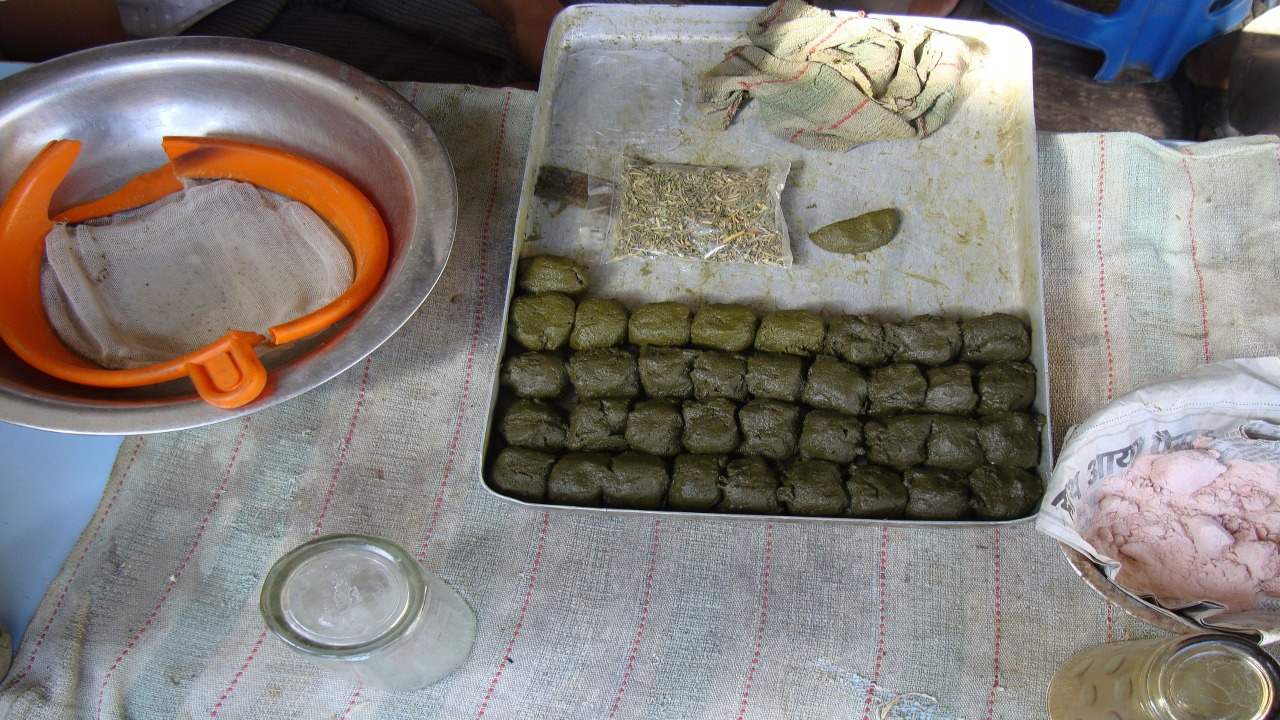
Bhang, an edible preparation derived from the cannabis plant, has been an integral part of Indian culture for centuries. Its history dates back to 1000 BCE, deeply embedded in religious traditions and Ayurvedic medicine. Today, bhang remains a popular festive drink, particularly during Holi and Maha Shivratri, while also gaining global curiosity. This article explores bhang's cultural evolution, legal status, and growing global influence.
Ancient Roots of Bhang
Bhang has its origins in Ayurveda and ancient spiritual practices. The Vedas, some of the oldest scriptures in Hinduism, mention cannabis as one of the five sacred plants. It was believed to have medicinal properties, offering relief from stress, pain, and digestive issues. Over time, its significance extended beyond medicine, becoming a part of religious rituals and social customs.
Historical References and Mythology
The association of bhang with Hindu mythology is profound. It is closely linked to Lord Shiva, who is often depicted as consuming cannabis to achieve a meditative state. Devotees believe that bhang fosters spiritual enlightenment, making it a crucial element in various Hindu traditions.
Bhang in Festivals and Rituals
One of the most iconic uses of bhang is during Holi, the festival of colors. The bhang Holi drink is commonly prepared by mixing cannabis leaves with milk, yogurt, and spices, creating a festive beverage that enhances the celebratory spirit.
Similarly, bhang lassi, a variation blended with yogurt and nuts, is consumed during religious gatherings and temple offerings. Its association with Maha Shivratri, a festival honoring Lord Shiva, highlights its spiritual importance. In some regions, devotees prepare and consume bhang as an offering to the deity before engaging in night-long prayers.
The Legal and Social Debate on Bhang
Legal Status in India and Beyond
Bhang occupies a complex legal position. While cannabis remains illegal in many parts of the world, India has a unique stance. The Narcotic Drugs and Psychotropic Substances Act of 1985 prohibits cannabis resin and flowers but allows the use of bhang made from leaves. In contrast, countries like Pakistan strictly regulate cannabis, allowing only industrial and medicinal use.
Globally, the perception of bhang is evolving. With increasing discussions on the legalization of cannabis, some Western countries are showing interest in the traditional uses of bhang. However, concerns about its psychoactive effects and potential misuse persist.
Social Acceptance and Cultural Shifts
Despite its deep-rooted presence in Indian traditions, modern perspectives on bhang are shifting. Some people advocate for its medicinal benefits, citing Ayurvedic texts, while others argue against its recreational use. The pf bhangs bbc discussions have further fueled debates on cultural heritage versus regulatory control.
The Global Influence of Bhang
With globalization and increasing cultural exchange, bhang is gaining international recognition. Documentaries, media reports, and articles from major outlets, including pf bhangs bbc, have explored its historical and modern-day significance. Tourists visiting India often seek to experience bhang firsthand, particularly in states like Uttarakhand and Uttar Pradesh, where government-run shops legally sell bhang-infused products.
Western Curiosity and Commercialization
The growing interest in plant-based and holistic wellness trends has brought bhang into the spotlight. Some wellness brands are experimenting with cannabis-infused products inspired by bhang drink. However, due to regulatory restrictions, these products are often modified to comply with international laws.
Conclusion
Bhang, deeply entrenched in Indian culture, has maintained its traditional significance while adapting to modern trends. From its religious and medicinal origins to its role in festivals and evolving legal debates, bhang remains a topic of interest both in India and globally. As discussions on cannabis legalization continue, bhang’s future will likely see more cultural and commercial evolution.
For more insights into India’s rich traditions, explore our comprehensive guides on the entertainment section.
'%3e%3crect%20y='0.445312'%20width='48'%20height='48'%20rx='24'%20fill='white'%20fill-opacity='0.5'/%3e%3crect%20x='0.5'%20y='0.945312'%20width='47'%20height='47'%20rx='23.5'%20stroke='%23808080'/%3e%3cpath%20d='M34.625%2024.4453L14%2024.4453'%20stroke='%23808080'%20stroke-width='0.920053'/%3e%3cpath%20d='M23.375%2034.4453L13.375%2024.4453L23.375%2014.4453'%20stroke='%23808080'%20stroke-width='0.920053'/%3e%3c/g%3e%3cdefs%3e%3cfilter%20id='filter0_b_489_44344'%20x='-12'%20y='-11.5547'%20width='72'%20height='72'%20filterUnits='userSpaceOnUse'%20color-interpolation-filters='sRGB'%3e%3cfeFlood%20flood-opacity='0'%20result='BackgroundImageFix'/%3e%3cfeGaussianBlur%20in='BackgroundImageFix'%20stdDeviation='6'/%3e%3cfeComposite%20in2='SourceAlpha'%20operator='in'%20result='effect1_backgroundBlur_489_44344'/%3e%3cfeBlend%20mode='normal'%20in='SourceGraphic'%20in2='effect1_backgroundBlur_489_44344'%20result='shape'/%3e%3c/filter%3e%3c/defs%3e%3c/svg%3e)
'%3e%3crect%20y='0.445312'%20width='48'%20height='48'%20rx='24'%20fill='white'%20fill-opacity='0.5'/%3e%3crect%20x='0.5'%20y='0.945312'%20width='47'%20height='47'%20rx='23.5'%20stroke='%23808080'/%3e%3cpath%20d='M13.375%2024.4453L34%2024.4453'%20stroke='%23808080'%20stroke-width='0.920053'/%3e%3cpath%20d='M24.625%2014.4453L34.625%2024.4453L24.625%2034.4453'%20stroke='%23808080'%20stroke-width='0.920053'/%3e%3c/g%3e%3cdefs%3e%3cfilter%20id='filter0_b_489_44344'%20x='-12'%20y='-11.5547'%20width='72'%20height='72'%20filterUnits='userSpaceOnUse'%20color-interpolation-filters='sRGB'%3e%3cfeFlood%20flood-opacity='0'%20result='BackgroundImageFix'/%3e%3cfeGaussianBlur%20in='BackgroundImageFix'%20stdDeviation='6'/%3e%3cfeComposite%20in2='SourceAlpha'%20operator='in'%20result='effect1_backgroundBlur_489_44344'/%3e%3cfeBlend%20mode='normal'%20in='SourceGraphic'%20in2='effect1_backgroundBlur_489_44344'%20result='shape'/%3e%3c/filter%3e%3c/defs%3e%3c/svg%3e)