
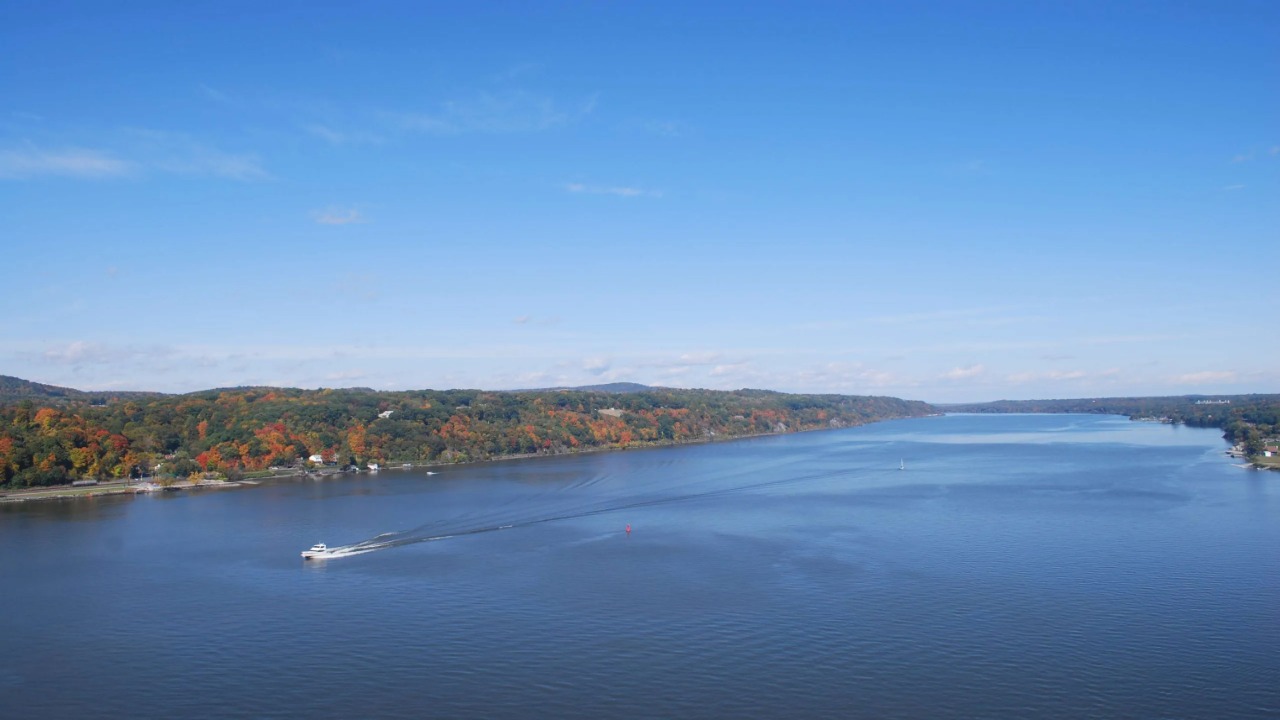


The Hudson River: A Lifeline to New York's Past and Present
The Hudson River is more than just a body of water flowing through New York. It symbolizes the region’s rich history, diverse ecosystem, and lifeline that has connected people, places, and industries for centuries. Spanning over 300 miles from the Adirondacks to New York Harbor, the Hudson River is a defining natural feature of the state. It has been a major part of New York's development and continues to shape the lives of those near it.
A River of History and Change
The history of the Hudson River dates back long before European settlers arrived. Native American tribes had already named the river "Mahicantuck," meaning "great waters in constant motion" or "river that flows two ways." This name fits the Hudson's unique tidal nature, where salty sea water meets fresh water running off the land. It is an estuary, making the river different from many others. The estuary spans 153 miles from Troy to New York Harbor and experiences regular tidal shifts, with water levels rising and falling twice a day.
The Hudson's history with European settlers began in 1609 when English explorer Henry Hudson sailed up the river. Initially, he referred to the river as the "Manhatees" while searching for the Northwest Passage. The river was later named the "River of the Prince Mauritius" by the Dutch. However, it was not until 1664, when the English took control of the region, that the river officially took the name "Hudson River."
A Vital Ecosystem
The Hudson River is one of the most productive ecosystems on the planet. Estuaries like the Hudson play a vital role in supporting biodiversity. Over 200 fish species call the Hudson home, including striped bass, herring, and giant sturgeon. These species are vital to the river's food chain and provide an important food source for wildlife such as bald eagles, herons, and other birds.
The river’s tidal nature makes it especially rich in nutrients. Freshwater from upstream meets the salty water from the Atlantic Ocean, creating a perfect environment for fish and other wildlife. The river's wetlands, mudflats, and marshes are crucial for many species, providing nurseries for young fish and shelter for various birds.
Hudson River's Economic Impact
The Hudson River has long been a major economic resource for New York State. In the 19th century, the river was key in developing the nation's transportation network. The river was an essential link between New York Harbor and the Great Lakes via the Erie Canal. This connection allowed goods to be transported efficiently, boosting the economy and helping New York become the Empire State.
As industrialization grew, the Hudson River became a vital trade and commerce route. It became a source of water for cities, process water for industries, and a recreational space for residents. The river's accessibility and role in the region's economy cannot be overstated.
The Hudson River Today: Environmental Recovery and Preservation
Like many natural resources, the Hudson River faced significant environmental challenges in the 20th century. Rapid industrialization, urbanization, and pollution damage the river. Sewage discharge, toxic chemicals, and the filling of wetlands resulted in high pollution levels. By the mid-1900s, the river’s once-healthy ecosystem was in jeopardy.
However, citizens and environmental organizations rose to the challenge. In the 1960s, local activists fought to protect natural landmarks like Storm King Mountain, helping spark the modern environmental movement. In 1972, the federal Clean Water Act was passed, and New York State began implementing programs to clean up the river. The Hudson River National Estuarine Research Reserve was also established to protect the region's crucial wetlands and wildlife habitats.
Thanks to these efforts, the Hudson River has made a remarkable recovery. Today, it is one of the healthiest estuaries on the Atlantic Coast. Fish populations have rebounded, and the water quality has significantly improved. The river’s recovery is a testament to the power of environmental action and the importance of preserving natural resources.
A Source of Inspiration
Beyond its ecological and economic importance, the Hudson River has long inspired artists, writers, and thinkers. Its beauty, especially the stunning Hudson Highlands, has inspired countless paintings, poems, and stories. Famous artists like Thomas Cole and Frederic Church were drawn to the river's beauty, and their works helped establish the Hudson River School of painting. This art movement celebrated the American landscape.
The Hudson River inspires creativity as modern artists and nature lovers visit its shores. It is more than just a river; it is a cultural icon that continues to shape New York State's identity.
Conclusion
The Hudson River is truly a lifeline to New York's past and present. Its rich history, diverse ecosystem, and impact on the region's economy make it one of the most important natural features in the United States. Whether you admire its beauty from a park, sail its waters, or learn about its history, the Hudson River offers something for everyone. As the river continues to thrive, it stands as a reminder of the power of nature and the importance of environmental stewardship.
For more exciting updates, check out the latest news on Jio, Airtel sign deal with Elon Musk's SpaceX to bring Starlink to India.
'%3e%3crect%20y='0.445312'%20width='48'%20height='48'%20rx='24'%20fill='white'%20fill-opacity='0.5'/%3e%3crect%20x='0.5'%20y='0.945312'%20width='47'%20height='47'%20rx='23.5'%20stroke='%23808080'/%3e%3cpath%20d='M34.625%2024.4453L14%2024.4453'%20stroke='%23808080'%20stroke-width='0.920053'/%3e%3cpath%20d='M23.375%2034.4453L13.375%2024.4453L23.375%2014.4453'%20stroke='%23808080'%20stroke-width='0.920053'/%3e%3c/g%3e%3cdefs%3e%3cfilter%20id='filter0_b_489_44344'%20x='-12'%20y='-11.5547'%20width='72'%20height='72'%20filterUnits='userSpaceOnUse'%20color-interpolation-filters='sRGB'%3e%3cfeFlood%20flood-opacity='0'%20result='BackgroundImageFix'/%3e%3cfeGaussianBlur%20in='BackgroundImageFix'%20stdDeviation='6'/%3e%3cfeComposite%20in2='SourceAlpha'%20operator='in'%20result='effect1_backgroundBlur_489_44344'/%3e%3cfeBlend%20mode='normal'%20in='SourceGraphic'%20in2='effect1_backgroundBlur_489_44344'%20result='shape'/%3e%3c/filter%3e%3c/defs%3e%3c/svg%3e)
'%3e%3crect%20y='0.445312'%20width='48'%20height='48'%20rx='24'%20fill='white'%20fill-opacity='0.5'/%3e%3crect%20x='0.5'%20y='0.945312'%20width='47'%20height='47'%20rx='23.5'%20stroke='%23808080'/%3e%3cpath%20d='M13.375%2024.4453L34%2024.4453'%20stroke='%23808080'%20stroke-width='0.920053'/%3e%3cpath%20d='M24.625%2014.4453L34.625%2024.4453L24.625%2034.4453'%20stroke='%23808080'%20stroke-width='0.920053'/%3e%3c/g%3e%3cdefs%3e%3cfilter%20id='filter0_b_489_44344'%20x='-12'%20y='-11.5547'%20width='72'%20height='72'%20filterUnits='userSpaceOnUse'%20color-interpolation-filters='sRGB'%3e%3cfeFlood%20flood-opacity='0'%20result='BackgroundImageFix'/%3e%3cfeGaussianBlur%20in='BackgroundImageFix'%20stdDeviation='6'/%3e%3cfeComposite%20in2='SourceAlpha'%20operator='in'%20result='effect1_backgroundBlur_489_44344'/%3e%3cfeBlend%20mode='normal'%20in='SourceGraphic'%20in2='effect1_backgroundBlur_489_44344'%20result='shape'/%3e%3c/filter%3e%3c/defs%3e%3c/svg%3e)