


The Role and Future of the Department of Education Explained
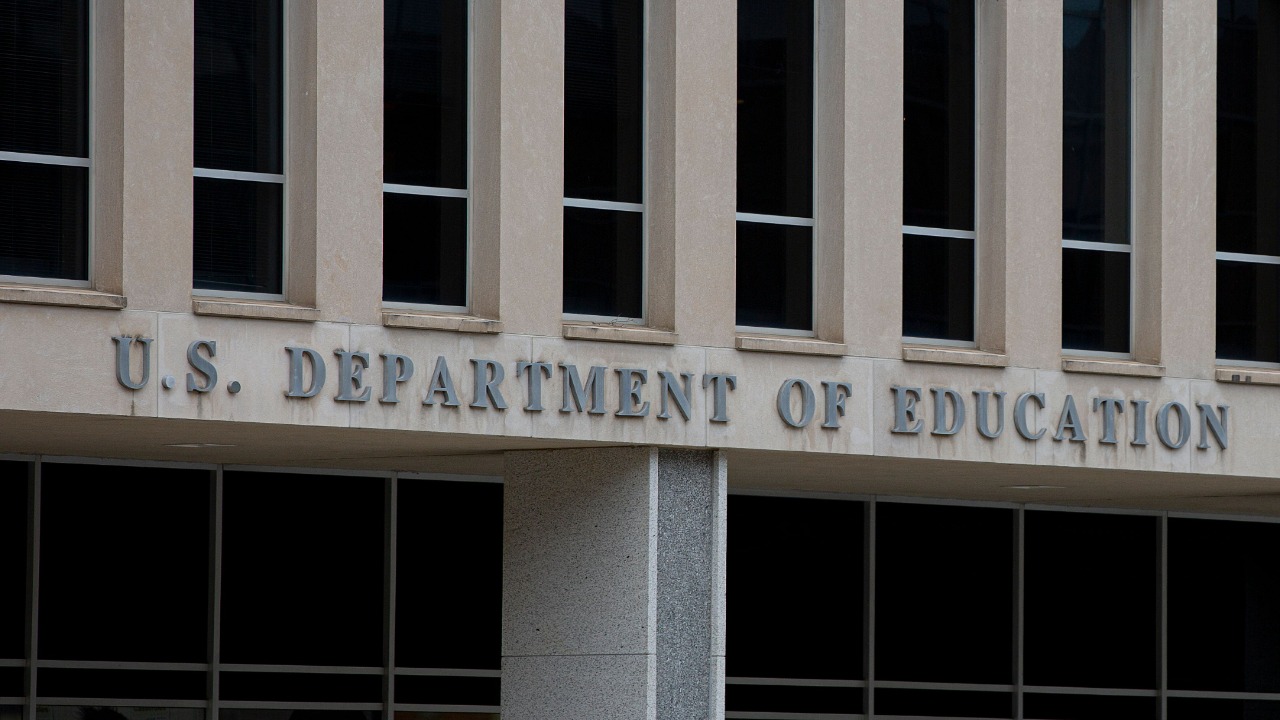
The U.S. Department of Education has recently become a focal point of global discussions. With significant developments unfolding, such as the potential reduction of its workforce by almost half, many are questioning the implications of these changes.
These discussions have led to increased searches for terms such as "U.S. Department of Education abbreviation" and "What would happen if the U.S. Department of Education was abolished?" This article provides a detailed analysis of the recent news surrounding the U.S. Department of Education, its historical significance, and the potential consequences of its dissolution.
Understanding the U.S. Department of Education and Its Purpose
The U.S. Department of Education (ED), established in 1979, is responsible for overseeing federal education policies, funding public education, and ensuring equal access to educational opportunities. The U.S. Department of Education abbreviation (ED or DOE) is widely recognized across official documents and public discourse.
Since its inception, the ED has played a vital role in supporting state and local education systems by providing financial aid, enforcing educational laws, and promoting research-based improvements in teaching and learning. Federal oversight has ensured that schools across the country adhere to certain academic standards while addressing issues such as student loan debt and teacher shortages.
Recent Developments and Why the U.S. Department of Education is Trending
The U.S. Department of Education is currently at the center of controversy due to proposed staffing reductions, potentially cutting its workforce from over 4,100 employees to approximately 2,180. This move aligns with policy objectives aimed at reducing federal involvement in education, shifting responsibilities to individual states.
Education Secretary Linda McMahon has stated that these layoffs are the "first step" toward scaling back the department, potentially leading to its complete dissolution. These changes reflect a broader push by the administration to decentralize education, an idea that has long been debated by policymakers.
The debate surrounding the department's future has intensified, leading many to ask: "What would happen if the U.S. Department of Education was abolished?" This question has sparked discussions among educators, parents, and lawmakers about the possible repercussions of dismantling a federal education system.
What Would Happen If the U.S. Department of Education Was Abolished?
The potential elimination of the U.S. Department of Education would bring about a significant transformation in the U.S. education system. The department currently administers billions of dollars in federal funding, which supports public schools, special education programs, and student loan initiatives. Without a centralized federal entity, these responsibilities would likely shift to individual states, leading to disparities in educational quality and funding.
Impact on Public Schools
Public schools across the country rely on federal funding for various programs, including Title I, which supports low-income students. If the ED were abolished, these funds might be distributed unevenly, leaving some schools struggling to maintain resources, hire qualified teachers, and provide essential services.
Effect on Student Loans and Higher Education
The U.S. Department of Education also oversees federal student loans, ensuring affordable access to higher education. Without this oversight, student loan management could shift to private lenders, potentially increasing interest rates and making higher education less accessible for lower-income students.
Standardization and Educational Equity
One of the ED's key responsibilities is to enforce laws related to educational equality, including Title IX and the Individuals with Disabilities Education Act (IDEA). Without a federal agency overseeing these protections, states would have more discretion in implementing educational policies, potentially leading to inconsistencies in how students with disabilities and marginalized communities receive support.
The Debate Over the U.S. Department of Education’s Role
Advocates for abolishing the U.S. Department of Education argue that education should be managed at the state level, allowing for localized decision-making that reflects regional needs. They believe that decentralization would reduce bureaucracy and improve efficiency. However, opponents warn that removing federal oversight could create disparities in education quality, particularly in underfunded areas.
The conversation around the ED's future has also raised concerns about the broader implications for the teaching profession. Federal funding supports professional development programs, teacher training, and incentives for educators in underserved communities. Without these resources, teacher shortages could worsen, impacting student performance nationwide.
Why This Matters to Students, Parents, and Educators
The uncertainty surrounding the U.S. Department of Education has left many stakeholders wondering about the future of education in the U.S. While some states may be well-equipped to manage their own education systems, others may struggle without federal assistance. Students, parents, and educators will need to stay informed as policy changes unfold.
For now, the U.S. Department of Education abbreviation (ED) remains a symbol of federal involvement in public education. However, if current trends continue, the future of the ED may be redefined, reshaping the landscape of education in the U.S.
Final Thoughts
The trending discussions around the U.S. Department of Education highlight a pivotal moment in the U.S. education system. As the debate continues, the question "What would happen if the U.S. Department of Education was abolished?" remains a critical point of reflection. The outcomes of these discussions will determine how education is funded, regulated, and delivered to millions of students across the country.
For now, the conversation is far from over, and its implications will shape the educational experiences of future generations.
Read Further More: Sarah McBride: A Political Trailblazer Making Headlines Again
'%3e%3crect%20y='0.445312'%20width='48'%20height='48'%20rx='24'%20fill='white'%20fill-opacity='0.5'/%3e%3crect%20x='0.5'%20y='0.945312'%20width='47'%20height='47'%20rx='23.5'%20stroke='%23808080'/%3e%3cpath%20d='M34.625%2024.4453L14%2024.4453'%20stroke='%23808080'%20stroke-width='0.920053'/%3e%3cpath%20d='M23.375%2034.4453L13.375%2024.4453L23.375%2014.4453'%20stroke='%23808080'%20stroke-width='0.920053'/%3e%3c/g%3e%3cdefs%3e%3cfilter%20id='filter0_b_489_44344'%20x='-12'%20y='-11.5547'%20width='72'%20height='72'%20filterUnits='userSpaceOnUse'%20color-interpolation-filters='sRGB'%3e%3cfeFlood%20flood-opacity='0'%20result='BackgroundImageFix'/%3e%3cfeGaussianBlur%20in='BackgroundImageFix'%20stdDeviation='6'/%3e%3cfeComposite%20in2='SourceAlpha'%20operator='in'%20result='effect1_backgroundBlur_489_44344'/%3e%3cfeBlend%20mode='normal'%20in='SourceGraphic'%20in2='effect1_backgroundBlur_489_44344'%20result='shape'/%3e%3c/filter%3e%3c/defs%3e%3c/svg%3e)
'%3e%3crect%20y='0.445312'%20width='48'%20height='48'%20rx='24'%20fill='white'%20fill-opacity='0.5'/%3e%3crect%20x='0.5'%20y='0.945312'%20width='47'%20height='47'%20rx='23.5'%20stroke='%23808080'/%3e%3cpath%20d='M13.375%2024.4453L34%2024.4453'%20stroke='%23808080'%20stroke-width='0.920053'/%3e%3cpath%20d='M24.625%2014.4453L34.625%2024.4453L24.625%2034.4453'%20stroke='%23808080'%20stroke-width='0.920053'/%3e%3c/g%3e%3cdefs%3e%3cfilter%20id='filter0_b_489_44344'%20x='-12'%20y='-11.5547'%20width='72'%20height='72'%20filterUnits='userSpaceOnUse'%20color-interpolation-filters='sRGB'%3e%3cfeFlood%20flood-opacity='0'%20result='BackgroundImageFix'/%3e%3cfeGaussianBlur%20in='BackgroundImageFix'%20stdDeviation='6'/%3e%3cfeComposite%20in2='SourceAlpha'%20operator='in'%20result='effect1_backgroundBlur_489_44344'/%3e%3cfeBlend%20mode='normal'%20in='SourceGraphic'%20in2='effect1_backgroundBlur_489_44344'%20result='shape'/%3e%3c/filter%3e%3c/defs%3e%3c/svg%3e)