
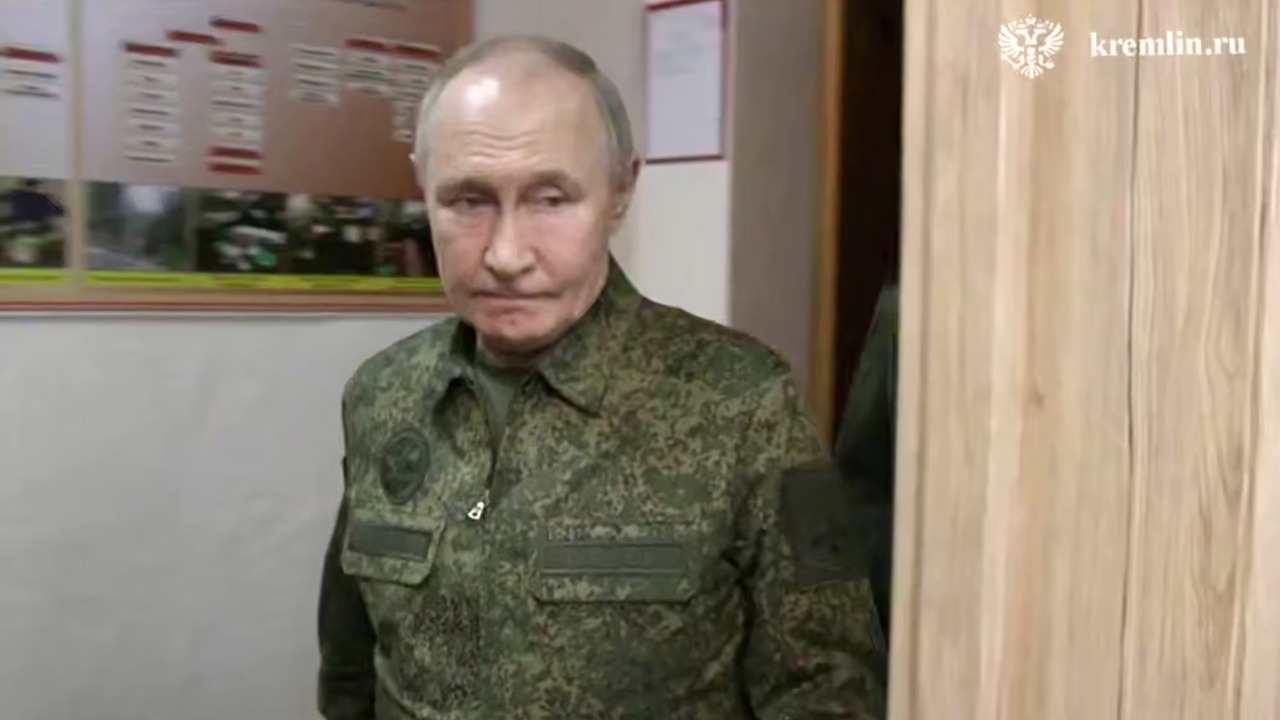


Trump Wants to Speak with President Putin as US and Ukraine Agree on 30-Day Ceasefire
A major development is that US President Donald Trump has stated that he intends to meet with Russian President Putin. Following high-level talks in Saudi Arabia, the US and Ukraine agreed on a 30-day ceasefire proposal. The proposed ceasefire aims to halt the ongoing conflict between Ukraine and Russia, offering a brief window for peace.
The US-Ukraine Talks in Saudi Arabia
The talks between the US and Ukraine in Saudi Arabia were crucial in the current geopolitical climate. Through Secretary of State Marco Rubio, the US made it clear that the ball is now in Russia's court. Rubio said, "If they say no, then we’ll unfortunately know the impediment to peace here." The proposal, which came after intense discussions, suggested an immediate 30-day ceasefire. Both sides seemed open to the idea, but it all depends on Russia's response.
During the talks, Ukraine’s President Volodymyr Zelenskyy clarified that Ukraine is ready to accept the proposal. In his address, Zelenskyy highlighted that the ceasefire would include halting missile, drone, and bomb attacks, not just in the frontline areas but also in the Black Sea. He added that the proposal was a positive step and Ukraine is prepared to take it.
Trump's Role in the Ceasefire Proposal
After the talks concluded, President Trump spoke to reporters at the White House, revealing his plans to talk to President Putin. He said, "We have a big meeting with Russia tomorrow, and some great conversations hopefully will ensue." Trump hoped the deal would be agreed upon in the next few days.
Trump's involvement in the process is crucial. As a former president with close ties to Russia, his relationship with President Putin could influence the outcome of this proposed ceasefire. Trump's willingness to engage in direct talks with Putin signals a continued push for diplomacy, even as hostilities persist between Russia and Ukraine.
Russia's Response to the Ceasefire Proposal
At the time of writing, the Kremlin has not officially responded to the ceasefire proposal. However, Moscow has indicated that it will insist on the agreement after being briefed by the U.S. The Russian Foreign Ministry spokesperson added that Moscow's stance would be determined internally, not based on external agreements or efforts by other parties.
Some Russian lawmakers, such as Konstantin Kosachev, have expressed skepticism about the proposal. In a Telegram post, Kosachev stated that the ceasefire terms were "American, not Ukrainian." He also suggested that Ukraine agree to the terms they were told to accept. For many in Russia, any agreement with the West must align with Moscow’s terms.
President Putin has been clear about his conditions for peace. He has repeatedly stated that Russia wants a comprehensive settlement rather than a temporary truce. One key demand is that Ukraine renounces its bid to join NATO. Additionally, Putin insists that Ukraine recognize the regions that Moscow has occupied as part of Russia.
Sanctions and Potential Consequences
If Russia rejects the ceasefire proposal, there could be significant consequences. US Senator Lindsey Graham warned that sanctions would be imposed on Russia if the Kremlin refuses to comply. Graham stated, "It is long overdue that Russia feels overwhelming economic pain as a result of its brutal invasion of Ukraine." Sanctions could severely impact Russia’s economy and further strain its relationship with the West.
The proposal is a step toward peace, but its success hinges on Russia’s willingness to cooperate. The global community is watching closely, hoping the ceasefire could pave the way for longer-term negotiations. However, the ongoing violence in Ukraine, including Russian strikes on Ukrainian cities, shows that the road to peace will not be easy.
Continued Violence Amid Ceasefire Talks
Despite the hopeful discussions in Saudi Arabia, the violence on the ground continues. Just hours after the talks concluded, Russian strikes targeted Ukrainian cities, resulting in casualties. In Kryvyi Rih, President Zelenskyy’s hometown, one person was killed. In the port city of Odesa, four people—believed to be Syrian nationals—were killed in a Russian attack on a cargo ship.
These ongoing attacks demonstrate the complexity of the situation. The ceasefire proposal, if agreed upon, would offer a temporary respite. However, the question remains: Can peace be achieved, or will the violence resume after the 30-day window?
What’s Next for US-Russia Relations?
The outcome of the ceasefire proposal will have significant implications for US- Russia relations. If the ceasefire is agreed upon, further discussions between Washington and Moscow could open. However, if Russia rejects the deal, tensions could escalate, leading to more sanctions and military action.
President Trump’s plans to speak with President Putin are seen as a crucial step in determining the future of the ceasefire proposal. Trump has long maintained a strong stance on foreign policy, particularly with Russia. His involvement in these discussions could influence whether the proposed ceasefire takes hold or falls apart.
Read Also: Mohan Babu Hit with Murder Allegations Two Decades After Soundarya’s Tragic Passing
'%3e%3crect%20y='0.445312'%20width='48'%20height='48'%20rx='24'%20fill='white'%20fill-opacity='0.5'/%3e%3crect%20x='0.5'%20y='0.945312'%20width='47'%20height='47'%20rx='23.5'%20stroke='%23808080'/%3e%3cpath%20d='M34.625%2024.4453L14%2024.4453'%20stroke='%23808080'%20stroke-width='0.920053'/%3e%3cpath%20d='M23.375%2034.4453L13.375%2024.4453L23.375%2014.4453'%20stroke='%23808080'%20stroke-width='0.920053'/%3e%3c/g%3e%3cdefs%3e%3cfilter%20id='filter0_b_489_44344'%20x='-12'%20y='-11.5547'%20width='72'%20height='72'%20filterUnits='userSpaceOnUse'%20color-interpolation-filters='sRGB'%3e%3cfeFlood%20flood-opacity='0'%20result='BackgroundImageFix'/%3e%3cfeGaussianBlur%20in='BackgroundImageFix'%20stdDeviation='6'/%3e%3cfeComposite%20in2='SourceAlpha'%20operator='in'%20result='effect1_backgroundBlur_489_44344'/%3e%3cfeBlend%20mode='normal'%20in='SourceGraphic'%20in2='effect1_backgroundBlur_489_44344'%20result='shape'/%3e%3c/filter%3e%3c/defs%3e%3c/svg%3e)
'%3e%3crect%20y='0.445312'%20width='48'%20height='48'%20rx='24'%20fill='white'%20fill-opacity='0.5'/%3e%3crect%20x='0.5'%20y='0.945312'%20width='47'%20height='47'%20rx='23.5'%20stroke='%23808080'/%3e%3cpath%20d='M13.375%2024.4453L34%2024.4453'%20stroke='%23808080'%20stroke-width='0.920053'/%3e%3cpath%20d='M24.625%2014.4453L34.625%2024.4453L24.625%2034.4453'%20stroke='%23808080'%20stroke-width='0.920053'/%3e%3c/g%3e%3cdefs%3e%3cfilter%20id='filter0_b_489_44344'%20x='-12'%20y='-11.5547'%20width='72'%20height='72'%20filterUnits='userSpaceOnUse'%20color-interpolation-filters='sRGB'%3e%3cfeFlood%20flood-opacity='0'%20result='BackgroundImageFix'/%3e%3cfeGaussianBlur%20in='BackgroundImageFix'%20stdDeviation='6'/%3e%3cfeComposite%20in2='SourceAlpha'%20operator='in'%20result='effect1_backgroundBlur_489_44344'/%3e%3cfeBlend%20mode='normal'%20in='SourceGraphic'%20in2='effect1_backgroundBlur_489_44344'%20result='shape'/%3e%3c/filter%3e%3c/defs%3e%3c/svg%3e)