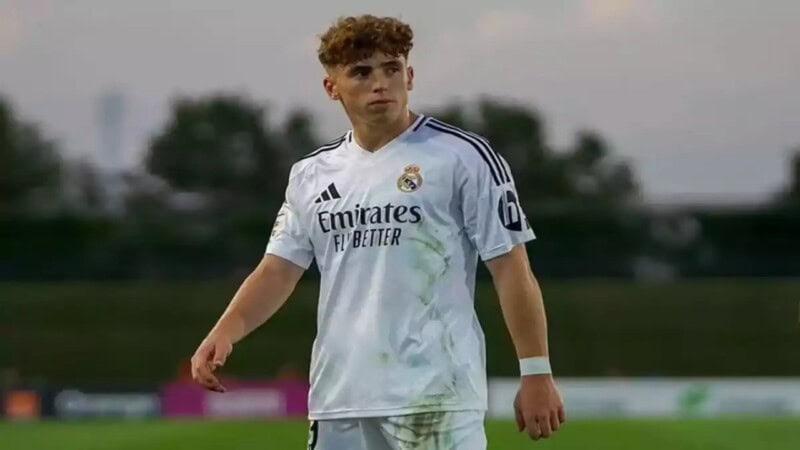
Víctor Muñoz Manrique, known simply as Víctor, is one of Spain’s most respected football figures. Born on March 15, 1957, in Zaragoza, Spain, he earned recognition as an exceptional footballer and later as a highly regarded manager. His playing career, particularly with FC Barcelona and Real Zaragoza, left a lasting impression on Spanish football. His tactical awareness, creativity on the field, and leadership qualities made him a true maestro in the midfield, influencing generations of players who followed in his footsteps. Víctor’s journey from local youth talent to international footballing icon is a testament to his relentless pursuit of excellence.
Early Life and Football Beginnings
Víctor Muñoz’s love for football began in his hometown of Zaragoza, known for its rich footballing tradition. He was drawn to the sport from an early age, showing a natural talent for controlling the ball and reading the game. His football journey started at the youth academy of Real Zaragoza, a club that would play a pivotal role in his career.
In the 1970s, when he was still a teenager, Víctor joined Real Zaragoza’s youth system. His footballing abilities quickly set him apart from his peers, and he began to attract attention from senior team coaches. It didn’t take long before Víctor was promoted to the first team, making his professional debut at 19. His rapid rise clearly indicated his potential, and it wasn’t long before he became a regular fixture in the Zaragoza lineup.
The Rise to Prominence: Playing Career
Real Zaragoza (1976–1981)
Víctor’s professional career began with Real Zaragoza, a club that played a crucial role in shaping his early years as a footballer. From 1976 to 1981, he played for Zaragoza, during which period his skills as a midfielder flourished. Known for his vision, technical ability, and passing accuracy, Víctor became the engine of Zaragoza’s midfield.
Although Zaragoza was not considered one of Spain’s top-tier clubs then, Víctor’s contributions helped elevate the team’s status in Spanish football. His intelligence on the ball allowed him to dictate the pace of the game, and his ability to link up with both attack and defense made him an invaluable asset to the squad. While at Zaragoza, Víctor began to earn national recognition, becoming one of the most promising midfielders in Spain.
FC Barcelona (1981–1988)
In 1981, Víctor Muñoz took a significant step in his career by moving to FC Barcelona, one of the world’s most prestigious and successful football clubs. His arrival at Barcelona marked the beginning of a golden era for the club. Víctor became an integral part of Barcelona’s midfield for seven seasons, playing 332 La Liga matches and scoring 25 goals. His ability to control the game from the center of the pitch was unrivaled during this time, and he was crucial to the team’s success.
Víctor’s time at Barcelona was decorated with several major trophies, including:
-
La Liga Championship (1984–85): Under coach Luis Aragonés, Barcelona clinched the La Liga title, with Víctor playing a central role in the team’s success.
-
Copa del Rey (1982–83, 1987–88): Víctor helped Barcelona win two titles, showcasing his ability to perform in crucial moments.
-
UEFA Cup Winners’ Cup (1981–82): Another significant achievement during his tenure at Barcelona, where the club triumphed in European competition.
-
Supercopa de España (1983): Barcelona claimed the Spanish Super Cup, a testament to Víctor’s consistency and contribution to the team.
Víctor’s playing style was characterized by his exceptional technical skills, precise passing, and ability to break down opposition attacks. He was a defensive shield and a playmaker, creating opportunities for his teammates and scoring important goals. His partnership with other Barcelona greats, including Diego Maradona and the emerging talent of the 1980s, helped Barcelona remain competitive both domestically and in European competitions.
Sampdoria and St. Mirren (1988–1991)
Seeking new challenges and a change of scenery, Víctor moved to Italy in 1988 to play for UC Sampdoria, one of Serie A’s most respected clubs. In Italy, Víctor continued to demonstrate his technical and tactical prowess, even in one of the toughest leagues in Europe. He spent several seasons at Sampdoria, adapting to Italian football’s more defensive-minded style.
After his time in Italy, Víctor moved to Scotland, where he joined St. Mirren in the Scottish Premier League. Although the move to Scotland was relatively low-profile, it further expanded Víctor’s footballing horizons and experience in different footballing cultures. His time in Italy and Scotland allowed him to develop an even greater understanding of the game, which would later serve him well in his managerial career.
Return to Zaragoza and Retirement
In 1990, Víctor returned to his roots, joining Real Zaragoza again. His return to Zaragoza was a pivotal moment in the club’s history. At this stage, Víctor was nearing the end of his playing career, but his experience and leadership remained invaluable. He played a vital role in helping Zaragoza avoid relegation from La Liga in the early 1990s, offering his expertise in the midfield to guide the team through challenging times.
Víctor officially retired from professional football in 1991, ending a stellar playing career. By then, he had played for some of the biggest clubs in Spain and Europe, leaving a lasting legacy at FC Barcelona and Real Zaragoza.
International Career
While much of Víctor’s career was spent at the club level, he also significantly impacted the Spanish national team. Throughout his international career, from 1981 to 1988, he earned 60 caps and scored three goals. Víctor was known for his composure in midfield and his ability to maintain possession under pressure, skills that were highly valued by the national team.
One of his most notable international appearances came during the 1984 UEFA European Championship, where Spain finished as runners-up, narrowly losing to France in the final. Víctor also represented Spain in the 1986 FIFA World Cup, where Spain made it to the quarterfinals before being eliminated by Belgium. These international tournaments helped solidify Víctor’s reputation as one of Spain’s finest midfielders of the 1980s.
Transition to Management
After retiring from playing, Víctor Muñoz transitioned into a managerial role, where his deep understanding of the game and his experience as a top-level player made him an appealing choice for several clubs. His managerial career spanned over a decade, and he took charge of a variety of clubs, including:
-
Real Zaragoza (2004–2006), where he led the team to win the Copa del Rey in 2004.
-
Villarreal CF (2000–2002) guided them to their best-ever finish in La Liga.
Panathinaikos (2006–2007) in Greece. -
Getafe CF (2008–2009) and several other clubs in Spain and abroad.
As a manager, Víctor was known for his tactical acumen and ability to develop young players. His experiences as a player at the highest level enabled him to relate to his players and provide valuable insights into the technical and mental aspects of the game. Though he didn’t achieve the same level of success as a manager or player, his managerial career still contributed to his legacy in football.
Legacy and Impact
Víctor Muñoz’s influence on Spanish football remains significant. His career as a midfielder at the highest levels, including stints with FC Barcelona and Real Zaragoza, set him apart as one of Spain’s finest footballers. His tactical intelligence, leadership, and playmaking abilities were instrumental in his teams’ successes both domestically and in European competitions.
Víctor’s legacy also lives on in the numerous players who looked up to him as a role model. His understanding of the game, humility, and work ethic have made him a respected figure in Spanish football circles. After his retirement, Víctor contributed to the sport, shaping the next generation of players and coaches.
Conclusion
Víctor Muñoz’s journey through football, from a promising youth talent in Zaragoza to a key figure at FC Barcelona, is one of dedication, passion, and achievement. His contributions to Spanish football, both on the field and as a manager, have left an indelible mark. Víctor’s story reminds us that one can rise to greatness with determination, skill, and a deep love for the game. His influence continues to resonate in football, inspiring future generations of players and managers.
Also Read: Daryl Mitchell dismisses Indian media claims about ‘never coming back to Pakistan.’