
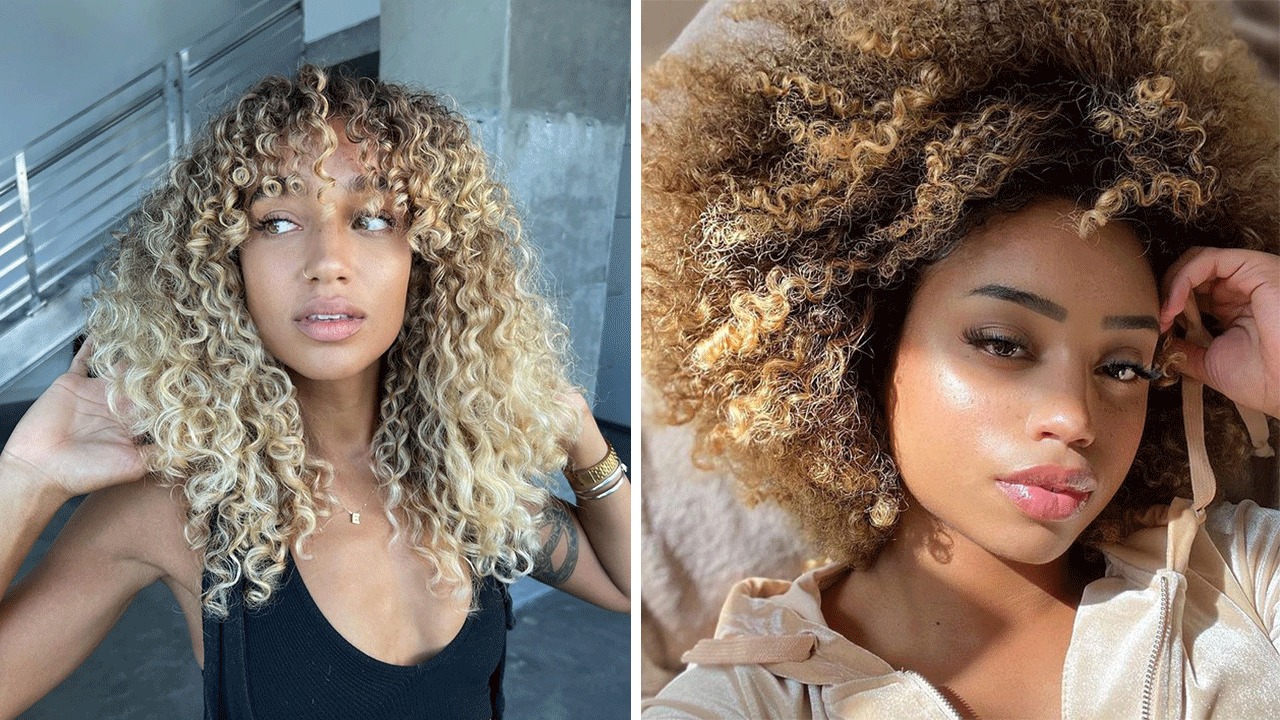


What Is Hair Texture? A Guide to Hair Texture Types, Charts & Care
Understanding hair texture is the first step toward healthier, more manageable hair. Whether trying to choose the right products, select a flattering hairstyle, or understand why hair behaves a certain way, recognizing your hair’s texture can make all the difference. In the U.S., more people are now exploring personalized hair care, and learning the basics about hair texture is at the heart of it all.
What is a Texture for Hair?
When asking, “What is a texture for hair?”, most people confuse it with hair type. But they’re different. Hair texture refers to the thickness or diameter of individual strands, while hair type refers to the pattern, like straight, wavy, or curly.
There are three primary hair texture types:
-
Fine
-
Medium
-
Coarse
Let’s break these down further.
Fine Hair Texture: Delicate and Lightweight
Fine hair features thin, delicate strands. It often feels soft and silky but may struggle with volume. Since each strand is narrow, fine hair can become oily quickly and might not hold curls or styles for long.
Common traits of fine hair:
-
Struggles to maintain volume
-
Gets oily faster
-
Easily weighed down by heavy products
Care tip: Look for lightweight products like volumizing mousse or dry shampoo. Avoid heavy conditioners near the roots.
Medium Hair Texture: The Balanced Type
Medium hair is the most common hair texture among Americans. The strand width is somewhere between fine and coarse. It holds styles fairly well and doesn’t break as easily as fine hair.
Medium texture traits include:
-
Good volume
-
Easy to style
-
More resilient than fine hair
Care tip: A balanced shampoo-conditioner routine works best. A bit of hair texture powder can add grip and volume without stiffness.
Coarse Hair Texture: Thick and Strong
Coarse hair features wide, thick strands that are strong and often more resistant to heat or damage. It can be curly, wavy, or straight, but always feels more textured to the touch. However, it may also be drier and harder to manage.
Common signs of coarse hair:
-
Feels rough or wiry
-
Prone to dryness
-
Holds volume well
Care tip: Coarse hair benefits from deep conditioning treatments and natural oils. Minimize heat styling to avoid frizz and breakage.
Hair Texture Types vs. Hair Types
It’s easy to confuse hair texture types with hair types like curly, straight, or kinky. However, a person can have coarse curly hair, fine wavy hair, or medium straight hair. Each combo affects how hair reacts to humidity, styling products, or brushing.
That’s why understanding both your texture and type can lead to better hair care choices.
Understanding the Hair Texture Chart
A hair texture chart is a visual guide that helps people identify their texture and type. These charts typically feature a grid showing the different textures (fine, medium, coarse) across the four primary hair types (Type 1 – straight, Type 2 – wavy, Type 3 – curly, and Type 4 – coily/kinky).
Knowing where your hair falls on the chart can help you:
-
Choose better shampoos and conditioners
-
Find ideal heat settings for styling tools
-
Understand how your hair reacts to humidity
What Affects Hair Texture? Key Factors Explained
Several internal and external factors shape how hair texture evolves over time:
1. Genetics
Most hair texture traits are inherited. If parents have fine hair, children are likely to have it too.
2. Age
As people age, hair texture can change. Gray hairs often feel coarser or drier due to changes in melanin and oil production.
3. Hormonal Changes
Hormones play a big role. Puberty, pregnancy, or menopause may temporarily or permanently alter hair texture.
4. Environmental Exposure
Humidity, heat, and pollution can affect how hair feels and behaves. Frequent styling, coloring, or chemical treatments can also cause permanent texture shifts.
Hair Texture Powder: A Game Changer for Styling
One of the most buzzworthy products in hair care right now is Hair Texture Powder. This lightweight, matte powder adds volume, grip, and texture, especially useful for fine or flat hair.
Benefits of hair texture powder:
-
Adds instant lift to roots
-
Helps hold styles without stiffness
-
Great for both men and women
Apply a small amount to the roots or sections needing extra body. It works best on dry hair and gives that effortlessly styled look.
How to Identify Your Hair Texture at Home
Here’s a quick trick: Take a single clean strand and rub it between your fingers.
-
Feels like thread? Likely coarse
-
Feels like silk or barely noticeable? Probably fine
-
Something in between? You’ve got medium texture
Also, check how your hair reacts to styling, product weight, and oiliness. These behaviors often offer texture clues.
Best Practices for All Hair Textures
No matter the texture, some universal habits can improve hair health:
-
Use a microfiber towel to dry gently
-
Avoid brushing wet hair aggressively
-
Match product weight to your texture type
-
Protect from heat with sprays or serums
-
Don’t overwash – let natural oils nourish your strands
Final Thoughts on Hair Texture
Knowing your hair texture is more than just curiosity, it’s the key to unlocking personalized hair care. Whether you’re dealing with frizz, flatness, or breakage, understanding your texture type empowers you to take the right steps.
From using a hair texture chart to choosing products like hair texture powder, every decision becomes easier once the basics are clear. With genetics, age, and environment all playing a role, texture is never set in stone. It evolves, and so can your routine.
Celebrate the beauty of individuality and explore how Barbie dolls embrace diversity by checking out this inspiring story here.
'%3e%3crect%20y='0.445312'%20width='48'%20height='48'%20rx='24'%20fill='white'%20fill-opacity='0.5'/%3e%3crect%20x='0.5'%20y='0.945312'%20width='47'%20height='47'%20rx='23.5'%20stroke='%23808080'/%3e%3cpath%20d='M34.625%2024.4453L14%2024.4453'%20stroke='%23808080'%20stroke-width='0.920053'/%3e%3cpath%20d='M23.375%2034.4453L13.375%2024.4453L23.375%2014.4453'%20stroke='%23808080'%20stroke-width='0.920053'/%3e%3c/g%3e%3cdefs%3e%3cfilter%20id='filter0_b_489_44344'%20x='-12'%20y='-11.5547'%20width='72'%20height='72'%20filterUnits='userSpaceOnUse'%20color-interpolation-filters='sRGB'%3e%3cfeFlood%20flood-opacity='0'%20result='BackgroundImageFix'/%3e%3cfeGaussianBlur%20in='BackgroundImageFix'%20stdDeviation='6'/%3e%3cfeComposite%20in2='SourceAlpha'%20operator='in'%20result='effect1_backgroundBlur_489_44344'/%3e%3cfeBlend%20mode='normal'%20in='SourceGraphic'%20in2='effect1_backgroundBlur_489_44344'%20result='shape'/%3e%3c/filter%3e%3c/defs%3e%3c/svg%3e)
'%3e%3crect%20y='0.445312'%20width='48'%20height='48'%20rx='24'%20fill='white'%20fill-opacity='0.5'/%3e%3crect%20x='0.5'%20y='0.945312'%20width='47'%20height='47'%20rx='23.5'%20stroke='%23808080'/%3e%3cpath%20d='M13.375%2024.4453L34%2024.4453'%20stroke='%23808080'%20stroke-width='0.920053'/%3e%3cpath%20d='M24.625%2014.4453L34.625%2024.4453L24.625%2034.4453'%20stroke='%23808080'%20stroke-width='0.920053'/%3e%3c/g%3e%3cdefs%3e%3cfilter%20id='filter0_b_489_44344'%20x='-12'%20y='-11.5547'%20width='72'%20height='72'%20filterUnits='userSpaceOnUse'%20color-interpolation-filters='sRGB'%3e%3cfeFlood%20flood-opacity='0'%20result='BackgroundImageFix'/%3e%3cfeGaussianBlur%20in='BackgroundImageFix'%20stdDeviation='6'/%3e%3cfeComposite%20in2='SourceAlpha'%20operator='in'%20result='effect1_backgroundBlur_489_44344'/%3e%3cfeBlend%20mode='normal'%20in='SourceGraphic'%20in2='effect1_backgroundBlur_489_44344'%20result='shape'/%3e%3c/filter%3e%3c/defs%3e%3c/svg%3e)