


What Is Laryngomalacia? Symptoms, Causes, and Treatments
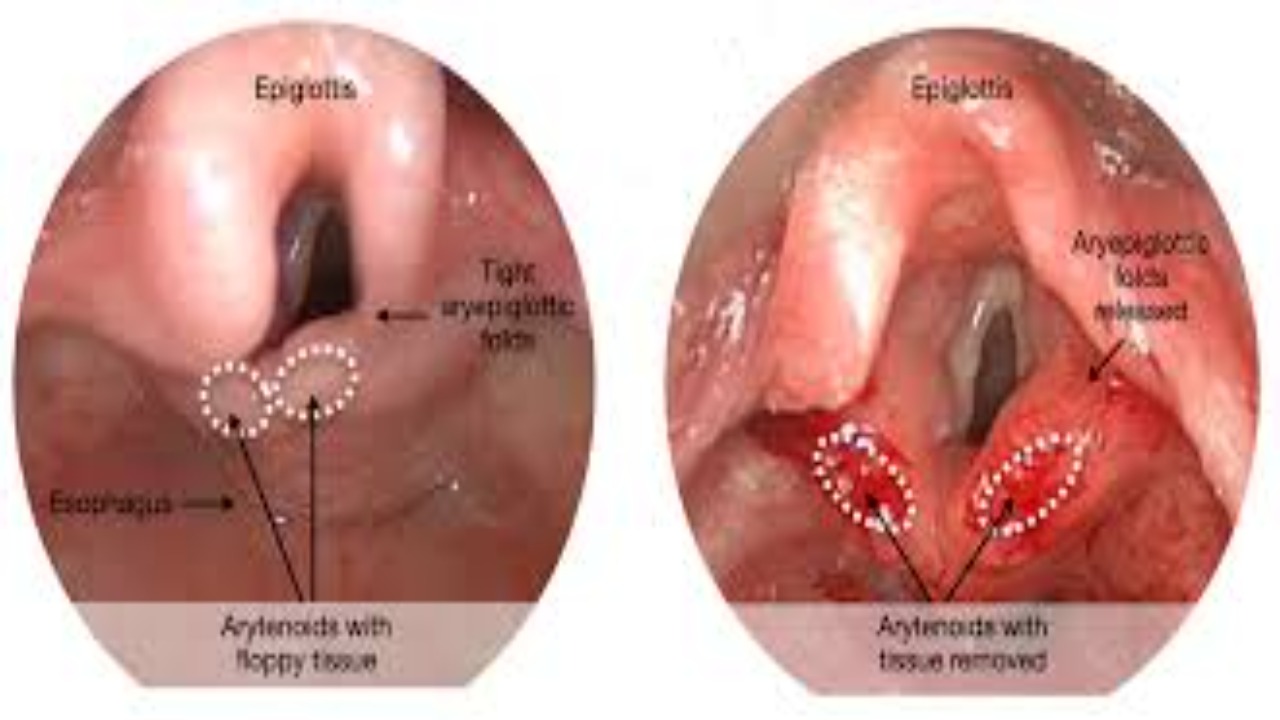
Laryngomalacia is a condition that might sound unfamiliar, but it's a common concern for parents of infants. It affects how a baby breathes, and while it can be worrying, it’s often treatable with the right approach. When an infant has laryngomalacia, the soft tissue above their vocal cords is floppy, leading to noisy breathing, especially when they cry or feed. Understanding the symptoms, causes, and treatments is crucial for both parents and caregivers to provide the best care for their little ones.
For many parents, hearing their baby struggle to breathe can be alarming, but it's important to remember that laryngomalacia is typically a benign condition. In fact, it usually resolves on its own as the baby grows and their airway structures mature. This article will explore the basics of laryngomalacia, its symptoms, causes, treatments, and recent developments in its care.
What Is Laryngomalacia?
Laryngomalacia is the most common congenital anomaly of the larynx (voice box) in infants. The term "laryngomalacia" comes from Greek, with "laryngo" meaning larynx and "malacia" meaning softening. Essentially, the softening of the cartilage around the larynx causes the tissues to collapse inward during breathing, leading to airway obstruction.
This obstruction creates the distinctive laryngomalacia sound—a high-pitched noise called stridor. Stridor is more noticeable during inhalation and can worsen when the baby is upset or feeding. While it’s often most pronounced in the early months of life, it typically improves as the child grows stronger and their airway becomes firmer.
Identifying Laryngomalacia Symptoms
Recognizing the symptoms of laryngomalacia early is crucial for effective management. One of the first signs parents may notice is noisy breathing, particularly during crying. This sound, called stridor, is often present from birth and becomes more noticeable in the first few weeks of life. The noise is typically high-pitched and harsh, which can understandably worry parents. However, it’s usually a sign that the airway tissues are soft and flexible, rather than a danger to the baby’s health.
For example, Sarah, a new mom, noticed her infant, Noah, making a wheezing noise when he cried, especially after feedings. She became anxious but was reassured by the pediatrician that Noah’s condition was laryngomalacia, which is common and typically harmless.
Other symptoms of laryngomalacia include:
-
Difficulty feeding or taking in enough milk
-
Worsening stridor when the baby is lying on their back
-
Relief from the sound when the baby is calm or in a different position
Although the condition is generally temporary and harmless, it’s still important to consult a doctor to rule out other potential issues.
Causes Behind Laryngomalacia
The exact cause of laryngomalacia causes is not fully understood, but there are several factors that are thought to contribute to its development. One of the main theories suggests that the abnormal development of the cartilage in the larynx (voice box) causes it to collapse inward during breathing. This typically affects infants who have soft and underdeveloped cartilage, which can collapse under the pressure of breathing.
Other factors may include:
-
Premature birth: Infants born prematurely are at a higher risk of developing laryngomalacia, as their airway structures are not yet fully matured.
-
Genetics and family history: A family history of respiratory issues or other airway anomalies might increase the likelihood of laryngomalacia in the baby.
-
Low birth weight: Babies who are born with a low birth weight may have more difficulty with airway development.
While these factors can increase the likelihood of laryngomalacia, the condition is often harmless and resolves on its own as the child’s airway grows and strengthens.
How Laryngomalacia Is Treated?
The good news is that in most cases, laryngomalacia treatment is straightforward, and the condition improves naturally over time. For the vast majority of infants, treatment involves monitoring and making small adjustments to their care routine.
Here are the most common treatment approaches:
-
Observation: If the symptoms are mild, doctors typically recommend a "wait and see" approach, as many babies outgrow the condition by the time they are 12-18 months old.
-
Positioning: Parents may be advised to position their baby upright during and after feedings to help alleviate the pressure on the airway.
-
Feeding strategies: Babies with laryngomalacia sometimes have difficulty feeding because of the noisy breathing. In such cases, learning how to feed an infant with laryngomalacia can help. For example, feeding smaller amounts more frequently can reduce the strain on the baby’s airway, making it easier for them to breathe while feeding.
For more severe cases where the baby has significant trouble breathing or feeding, surgery may be necessary. This typically involves a procedure called supraglottoplasty, which removes excess tissue from the airway to help open it up and reduce obstruction.
The Latest in Laryngomalacia News
Advances in the understanding and treatment of laryngomalacia are ongoing, with healthcare providers continually seeking ways to improve outcomes. Recent laryngomalacia news highlights studies exploring new, less invasive surgical techniques that preserve the larynx’s structure while improving airflow.
Additionally, updated guidelines are helping pediatricians better diagnose and treat laryngomalacia, focusing on a more personalized approach based on the baby’s age, symptom severity, and family preferences when selecting treatment options.
Conclusion
Laryngomalacia is a common, albeit concerning, condition that affects many infants, but it’s rarely dangerous. With early recognition and proper management, the condition usually resolves itself without the need for major interventions. Understanding the symptoms, causes, and treatment options for laryngomalacia can help parents feel more confident in managing their child’s health.
For parents of babies with laryngomalacia, it’s crucial to remember that this condition often improves on its own as the baby grows. Observing the baby’s feeding habits, positioning, and overall comfort can go a long way in managing symptoms. However, always consult with a healthcare professional to ensure the baby receives the best care possible.
For more latest update, check our article about laryngomalacia treatment and management
'%3e%3crect%20y='0.445312'%20width='48'%20height='48'%20rx='24'%20fill='white'%20fill-opacity='0.5'/%3e%3crect%20x='0.5'%20y='0.945312'%20width='47'%20height='47'%20rx='23.5'%20stroke='%23808080'/%3e%3cpath%20d='M34.625%2024.4453L14%2024.4453'%20stroke='%23808080'%20stroke-width='0.920053'/%3e%3cpath%20d='M23.375%2034.4453L13.375%2024.4453L23.375%2014.4453'%20stroke='%23808080'%20stroke-width='0.920053'/%3e%3c/g%3e%3cdefs%3e%3cfilter%20id='filter0_b_489_44344'%20x='-12'%20y='-11.5547'%20width='72'%20height='72'%20filterUnits='userSpaceOnUse'%20color-interpolation-filters='sRGB'%3e%3cfeFlood%20flood-opacity='0'%20result='BackgroundImageFix'/%3e%3cfeGaussianBlur%20in='BackgroundImageFix'%20stdDeviation='6'/%3e%3cfeComposite%20in2='SourceAlpha'%20operator='in'%20result='effect1_backgroundBlur_489_44344'/%3e%3cfeBlend%20mode='normal'%20in='SourceGraphic'%20in2='effect1_backgroundBlur_489_44344'%20result='shape'/%3e%3c/filter%3e%3c/defs%3e%3c/svg%3e)
'%3e%3crect%20y='0.445312'%20width='48'%20height='48'%20rx='24'%20fill='white'%20fill-opacity='0.5'/%3e%3crect%20x='0.5'%20y='0.945312'%20width='47'%20height='47'%20rx='23.5'%20stroke='%23808080'/%3e%3cpath%20d='M13.375%2024.4453L34%2024.4453'%20stroke='%23808080'%20stroke-width='0.920053'/%3e%3cpath%20d='M24.625%2014.4453L34.625%2024.4453L24.625%2034.4453'%20stroke='%23808080'%20stroke-width='0.920053'/%3e%3c/g%3e%3cdefs%3e%3cfilter%20id='filter0_b_489_44344'%20x='-12'%20y='-11.5547'%20width='72'%20height='72'%20filterUnits='userSpaceOnUse'%20color-interpolation-filters='sRGB'%3e%3cfeFlood%20flood-opacity='0'%20result='BackgroundImageFix'/%3e%3cfeGaussianBlur%20in='BackgroundImageFix'%20stdDeviation='6'/%3e%3cfeComposite%20in2='SourceAlpha'%20operator='in'%20result='effect1_backgroundBlur_489_44344'/%3e%3cfeBlend%20mode='normal'%20in='SourceGraphic'%20in2='effect1_backgroundBlur_489_44344'%20result='shape'/%3e%3c/filter%3e%3c/defs%3e%3c/svg%3e)