
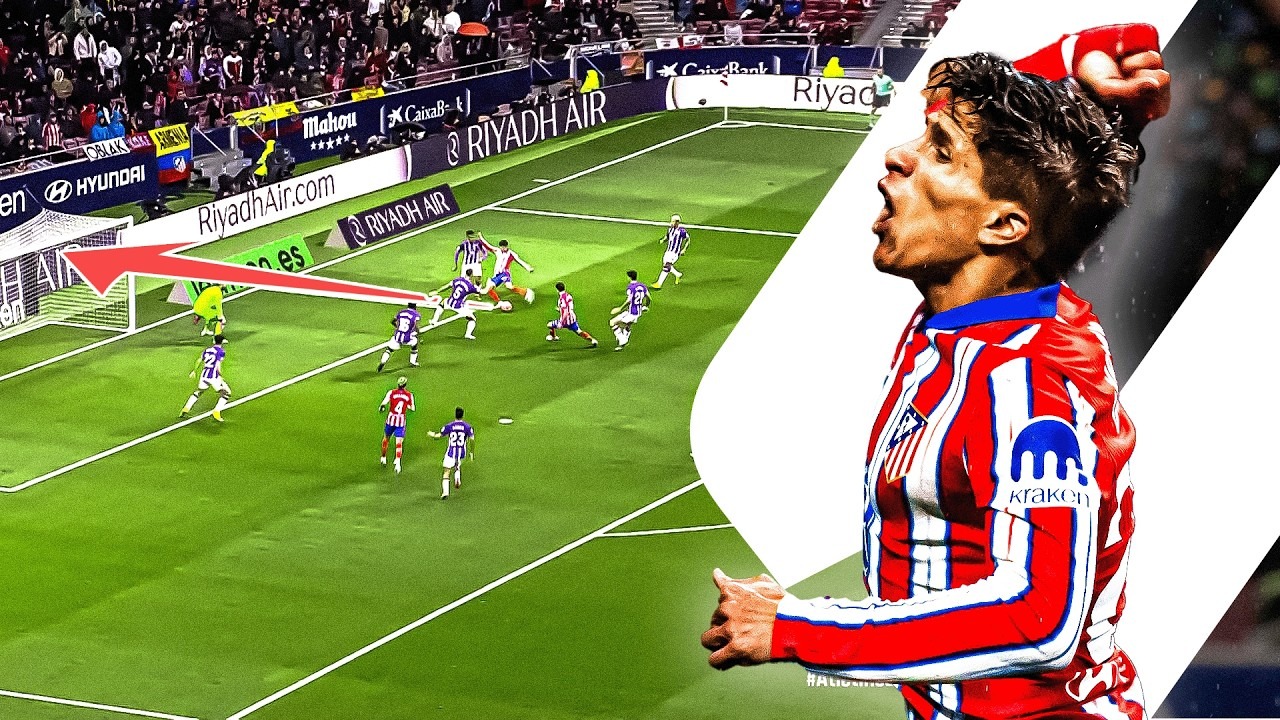


What Makes Remontada Legendary in Football History?
The phenomenon of Remontada has become a defining narrative in football, capturing the imagination of fans and analysts alike. Originating from the Spanish term for “comeback,” its emergence in high‑stakes matches has elevated ordinary fixtures into unforgettable spectacles. Iconic moments—such as Barcelona’s overturning of a four‑goal deficit against Paris Saint‑Germain in 2017, Deportivo La Coruña’s stunning 4–0 revival over AC Milan in 2004, and Real Madrid’s quest to reverse a 3–0 first‑leg loss in the 2025 Champions League—have cemented the concept in sporting lore.
What is Remontada?
The Remontada meaning traces back to Spanish-language commentary describing a team’s resurgence after falling behind. Beyond a literal comeback, it implies a shift in momentum, belief, and tactical daring. Over time, Remontada meaning has evolved into shorthand for any dramatic turnaround—whether in league play, continental competition, or cup finals—underscoring its cultural significance.
Legendary Remontada Goals: Game‑Changing Moments
Historic Remontada goals have become case studies in tactical audacity and clinical finishing:
-
Barcelona vs. PSG (2017): A 6–1 aggregate win, sealed by an injury‑time strike, redefined expectations for Remontada goals, inspiring viral discussions and tactical breakdowns.
-
Deportivo La Coruña vs. AC Milan (2004): A 4–0 home victory overturned a three‑goal first‑leg deficit, showcasing defensive resilience turned into attacking prowess—a blueprint for future Remontada goals.
-
Liverpool vs. Barcelona (2019): Three goals in six minutes at Anfield overhauled a 3–0 loss, reaffirming that passion and precision still drive the greatest Remontada goals.
-
Real Madrid’s 2025 Champions League Effort: Aggressive pressing and swift transitions produced crucial Remontada goals, demonstrating that strategic flexibility remains vital for historic comebacks.
Each strike not only altered scorelines but also redefined the boundaries of possibility under intense pressure.
Key Players Behind Memorable Remontada Moments
Certain Remontada players have become synonymous with iconic comebacks, their performances engraved in football history:
-
Lionel Messi: Mastered spatial awareness to deliver decisive passes and finishes during Barcelona’s 2017 revival. Messi’s ingenuity exemplifies how individual flair underpins collective Remontada goals.
-
Cristiano Ronaldo: Delivered headers, long‑range strikes, and clutch finishes in multiple Champions League ties, embodying the determination of top Remontada players.
-
Steven Gerrard: Engineered Liverpool’s legendary Anfield turnaround in 2019, illustrating leadership qualities that elevate teammates in pursuit of a Remontada.
-
Mohamed Salah & Virgil van Dijk: Combined pace and defensive solidity to sustain momentum, proving that Remontada players often operate through balanced teamwork rather than solo heroics.
Mental resilience and tactical intelligence—hallmarks of these figures—highlight why Remontada players remain fixtures of sports‑science studies.
How Remontada Shapes Football Strategy and Fan Psychology
A successful Remontada reshapes tactical frameworks and fan engagement patterns. Coaches frequently switch to high‑press systems, targeting transitional spaces created when opponents defend a lead. This approach multiplies opportunities for Remontada goals.
On the psychological front, belief spreads like wildfire. The first goal of a comeback often triggers a collective confidence surge—on the pitch and in the stands. Fan chants crescendo in unison, reinforcing players’ conviction. This dynamic underlines the psychological dimension of Remontada, where communal energy becomes as crucial as on‑field tactics.
Modern‑Day Remontadas: Are They Still Possible?
Advancements in analytics, sporting science, and VAR have altered match dynamics, yet conditions for Remontada moments persist:
-
Data‑Driven Preparation: Opposing weaknesses can be identified with precision, enabling late tactical shifts that spark Remontada goals.
-
Physical Conditioning: Enhanced fitness regimes ensure that teams can sustain high‑intensity play throughout 90 minutes, a prerequisite for overturning deficits.
-
Emotional Resilience Programs: Sports psychologists now equip squads with tools to maintain belief despite early setbacks, empowering players to execute comebacks.
While modern football’s structure may reduce lopsided first‑leg results, the essential ingredients—momentum, strategy, and individual brilliance—remain intact. A future Remontada needs only a moment of vulnerability from a leading side and an inspired response from challengers.
Conclusion
The enduring appeal of Remontada arises from its fusion of strategic innovation, psychological drama, and individual excellence. From the original Remontada meaning to the famed Remontada goals and the legend of Remontada players, the term has transcended mere vocabulary to symbolize hope against adversity. Each chapter in its history—from Deportivos 2004 resurgence to Real Madrid’s 2025 comeback effort—reinforces why this concept will continue to captivate the global football community.
For further analysis on individual star performances, explore how Cristiano Ronaldo’s perspective shaped modern football: Ronaldo Names Greatest Footballer in History.
'%3e%3crect%20y='0.445312'%20width='48'%20height='48'%20rx='24'%20fill='white'%20fill-opacity='0.5'/%3e%3crect%20x='0.5'%20y='0.945312'%20width='47'%20height='47'%20rx='23.5'%20stroke='%23808080'/%3e%3cpath%20d='M34.625%2024.4453L14%2024.4453'%20stroke='%23808080'%20stroke-width='0.920053'/%3e%3cpath%20d='M23.375%2034.4453L13.375%2024.4453L23.375%2014.4453'%20stroke='%23808080'%20stroke-width='0.920053'/%3e%3c/g%3e%3cdefs%3e%3cfilter%20id='filter0_b_489_44344'%20x='-12'%20y='-11.5547'%20width='72'%20height='72'%20filterUnits='userSpaceOnUse'%20color-interpolation-filters='sRGB'%3e%3cfeFlood%20flood-opacity='0'%20result='BackgroundImageFix'/%3e%3cfeGaussianBlur%20in='BackgroundImageFix'%20stdDeviation='6'/%3e%3cfeComposite%20in2='SourceAlpha'%20operator='in'%20result='effect1_backgroundBlur_489_44344'/%3e%3cfeBlend%20mode='normal'%20in='SourceGraphic'%20in2='effect1_backgroundBlur_489_44344'%20result='shape'/%3e%3c/filter%3e%3c/defs%3e%3c/svg%3e)
'%3e%3crect%20y='0.445312'%20width='48'%20height='48'%20rx='24'%20fill='white'%20fill-opacity='0.5'/%3e%3crect%20x='0.5'%20y='0.945312'%20width='47'%20height='47'%20rx='23.5'%20stroke='%23808080'/%3e%3cpath%20d='M13.375%2024.4453L34%2024.4453'%20stroke='%23808080'%20stroke-width='0.920053'/%3e%3cpath%20d='M24.625%2014.4453L34.625%2024.4453L24.625%2034.4453'%20stroke='%23808080'%20stroke-width='0.920053'/%3e%3c/g%3e%3cdefs%3e%3cfilter%20id='filter0_b_489_44344'%20x='-12'%20y='-11.5547'%20width='72'%20height='72'%20filterUnits='userSpaceOnUse'%20color-interpolation-filters='sRGB'%3e%3cfeFlood%20flood-opacity='0'%20result='BackgroundImageFix'/%3e%3cfeGaussianBlur%20in='BackgroundImageFix'%20stdDeviation='6'/%3e%3cfeComposite%20in2='SourceAlpha'%20operator='in'%20result='effect1_backgroundBlur_489_44344'/%3e%3cfeBlend%20mode='normal'%20in='SourceGraphic'%20in2='effect1_backgroundBlur_489_44344'%20result='shape'/%3e%3c/filter%3e%3c/defs%3e%3c/svg%3e)