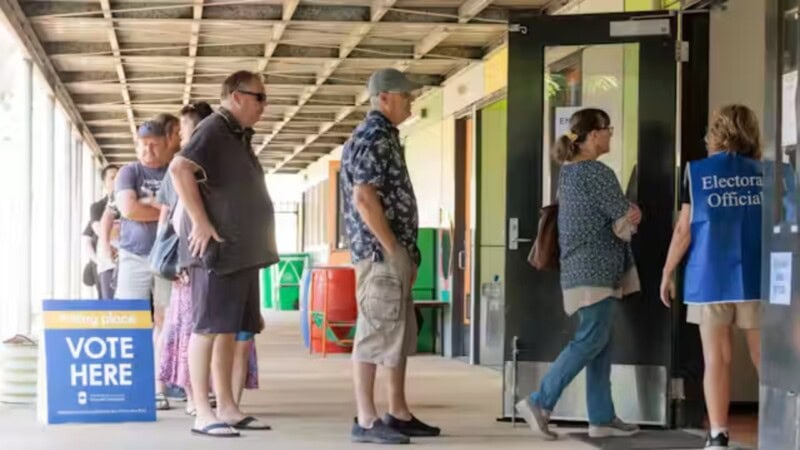
Federal election early voting is a process that allows voters to cast their ballots ahead of the official election day. This option has been a game-changer in ensuring broader participation in elections, providing an opportunity for people who may not be able to vote on the designated day due to work, health, or other personal commitments.
Historically, early voting began as a way to accommodate specific groups, like military personnel or people living abroad. Over time, it expanded to a much broader segment of the population. The idea was simple: make voting more accessible and increase overall turnout. Fast-forward to 2025, and the option to vote early is now a standard feature of federal elections in many countries, particularly the United States and Australia.
In Australia, for instance, federal election early voting has seen steady growth. The process provides voters with a flexible window to participate, significantly increasing the voter turnout. It’s a win for democracy—more people have the chance to make their voices heard without the logistical hurdles that often accompany voting on the official election day.
How Early Voting Works in 2025
As the 2025 elections approach, understanding how early voting works is essential. Timelines play a major role—early voting often begins weeks ahead of Election Day. In Australia, for instance, early voting for the federal election started on April 22, with the final count set for May 3.
The process starts with eligibility, typically requiring voter registration and meeting criteria like age, citizenship, and residency. Since rules vary by country, it’s important to follow local guidelines.
Voters now have several ways to cast early ballots. While in-person voting remains common, digital and absentee options are increasingly popular, offering flexibility for those facing travel or health limitations.
The rise of digital voting, though convenient, has sparked concerns over cybersecurity and election integrity. Still, it remains a practical choice for many.
Which States Allow Early Voting in 2025?
One of the most frequently asked questions around federal election early voting is: Do all states allow early voting? The short answer is no. Early voting laws vary by region, with some states offering extensive early voting periods, while others have more restrictive guidelines.
In the United States, for example, all states allow some form of early voting, but the rules and timeframes differ significantly. While California might offer weeks of early voting, Texas may only provide a shorter window. Some states allow voting at polling stations, while others require ballots to be mailed in advance. If you’re planning to vote early, it’s important to know which states allow early voting and the specific rules governing it.
This patchwork of regulations can make it a bit confusing for voters. So, before casting an early ballot, it’s crucial to check the specifics for your state or region. Fortunately, there are plenty of online resources to help voters navigate these differences.
Early Voting Pros and Cons
As with any major policy, early voting comes with pros and cons. On the positive side, it offers greater convenience and flexibility, easing pressure on Election Day by reducing long lines and helping those with busy schedules or in remote areas vote without difficulty. It also lowers the risk of voter suppression by making the process more accessible and democratic.
However, concerns remain. Security risks and the potential for voter fraud—particularly in digital or mail-in voting—are frequently raised. Critics also worry about voters casting ballots before key developments or news emerge, leaving no room to change decisions if perspectives shift post-vote.
Early Voting Results Today and What They Indicate
As we get closer to the 2025 federal elections, early voting results are becoming an important indicator of public sentiment. Early voting results today provide a glimpse into how voters are leaning before the official election day.
Polling trends show that early voting is increasingly popular in swing states, which could dramatically affect the outcome of the election. Many analysts and political pundits focus on these early numbers to predict the likely winners. In fact, in past elections, early voting trends have foreshadowed how key states might perform on Election Day.
The real-time early voting data also helps political campaigns tailor their strategies. For example, if one party is seeing an unexpectedly high turnout in a particular state, they might redirect resources or adjust their messaging to capitalize on this early momentum.
However, early voting is not a perfect predictor. The numbers can be skewed by various factors, such as weather conditions or changes in polling rules. Thus, while early voting results today are helpful, they don’t guarantee the final outcome.
Final Thoughts on the 2025 Federal Election Early Voting
Looking ahead, the 2025 federal election early voting process will continue to evolve. As more people embrace the option to vote early, it’s likely that election officials will refine the process to make it more efficient, secure, and accessible. The future of early voting could also see more states adopting flexible voting policies, especially as technology advances.
What’s clear is that federal election early voting is here to stay. For voters, it offers a chance to participate in the democratic process in a way that fits their schedules and lifestyles. However, as with any system, there will always be challenges to address. Ensuring that the process remains secure, accurate, and accessible to all is essential for the continued success of early voting in federal elections.
For more insights on the history and impact of early voting, check out this article.